
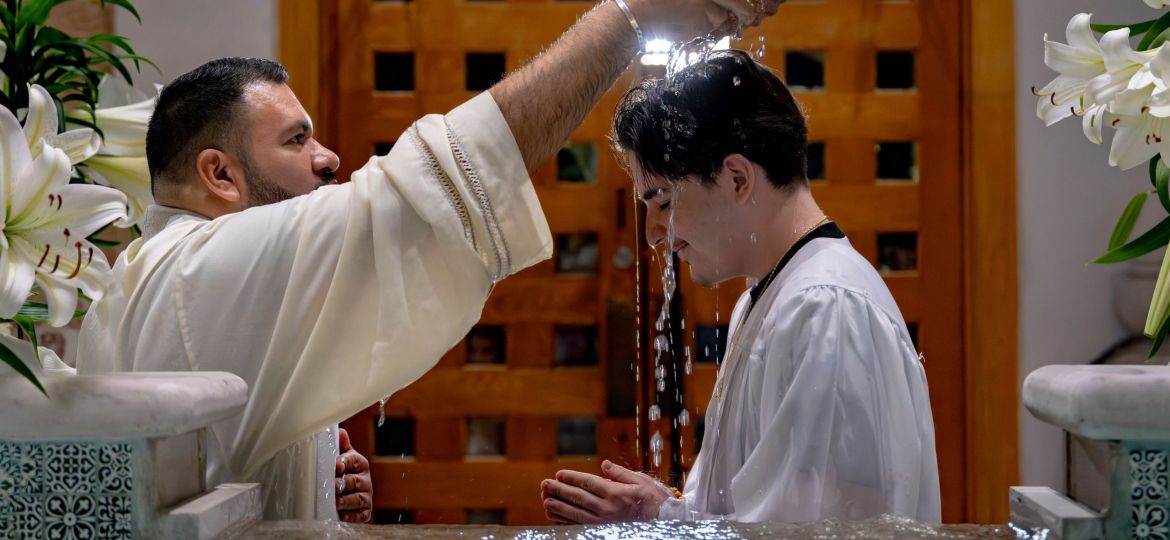
This past Easter, the Church witnessed something beautiful — a remarkable resurgence of people entering the Church through the sacraments. Across the world, and here in our own diocese, we saw men and women, young and old, stepping forward to embrace the faith. It is a sign of hope, a reminder that the Holy Spirit is still at work, stirring hearts, and renewing the Church. This rebirth is a gift, but it is also a responsibility. If we desire to see this renewal continue, we must remain faithful to the Word that gives it life.

Every morning, monks and nuns — and many lay people — arise early for morning prayer. The Latin name for this prayer, “laudes,” means “praises.” Often the psalms that make up morning prayer are indeed full of expressions of praise. One has inspired in me a reflection on the liturgy. Here are the initial verses of Psalm 63.

When we hear the word “evangelization,” we sometimes imagine grand gestures such as preaching to large crowds, missionary work in distant lands, or public debates about faith. While these certainly have their place in the life of the Church, Jesus’ approach to this concept reminds us that evangelization often begins in something far simpler, something found in ordinary human encounters. Every interaction we have can become an opportunity to draw someone closer to Christ.
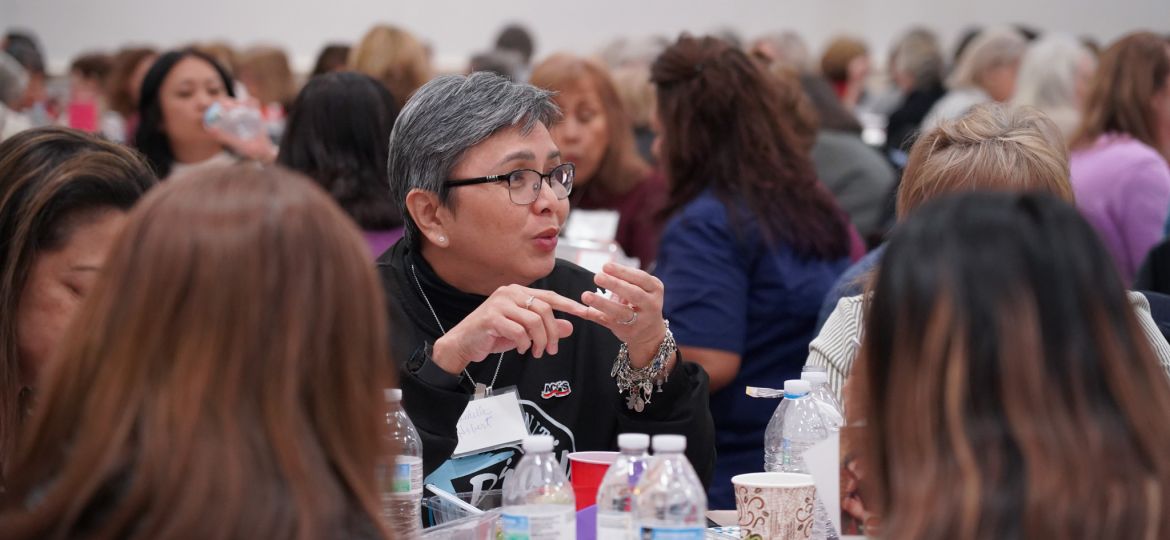
We have all surely experienced how difficult it can be to engage socially and politically as Catholics. Our faith pushes us into the uncomfortable position of prophetically challenging all political parties and calling everyone to conversion.
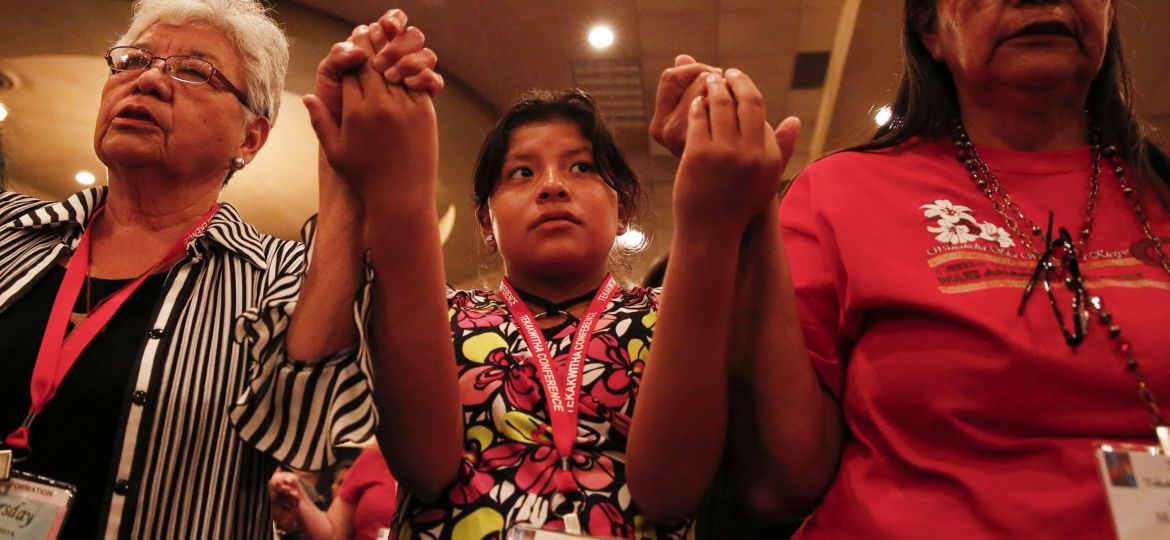
Gabriel is not the first messenger of the LORD to greet someone with the phrase “The LORD is with you” (Lk 1:28). An anonymous angel hails Gideon, a young man from a poor and insignificant family, as the lad desperately hides his family’s wheat harvest from the marauding Midianites: “The LORD is with you, you mighty warrior!” (Jgs 6:12).
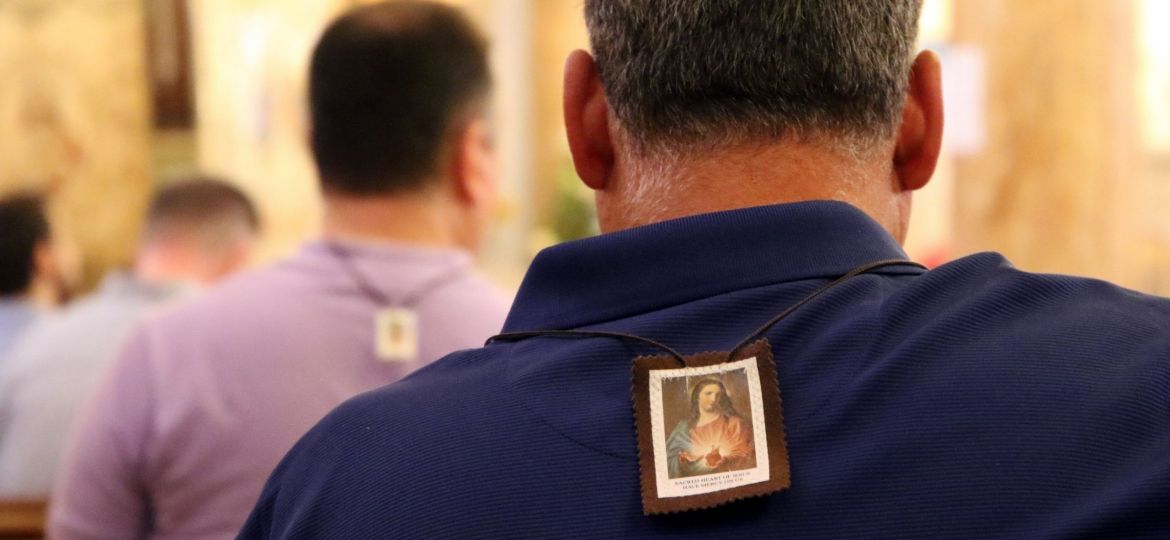
I once watched a simple movie scene that has stayed with me far longer than I expected. A mother gave her young daughter a scapular to wear around her neck. Like any child, the girl was curious. She asked her mother what it meant and why she should wear it. The mother answered gently, “It is a powerful prayer instrument. When you are in need, you touch it, speak to God, and tell him what you want. God will do it for you in his own way.”
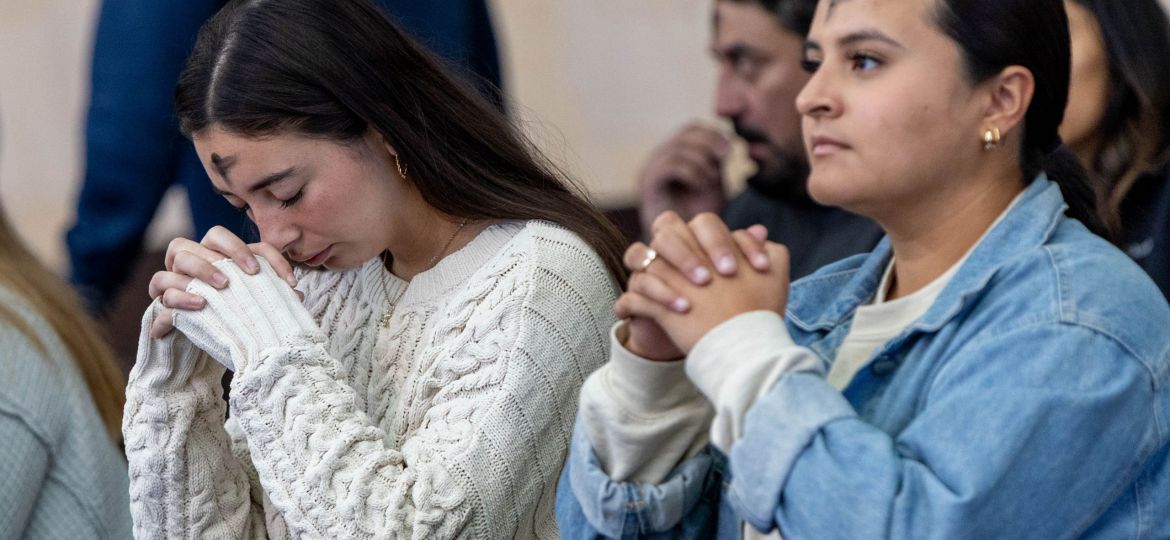
When I was in seminary, I decided to do something I had never done before: run a half marathon. I had run a little in high school, but never more than two miles, so I knew this was going to stretch and challenge me. I did the research, got the right shoes, and began training. I ran several times a week at a slow pace, slowly building strength and endurance.
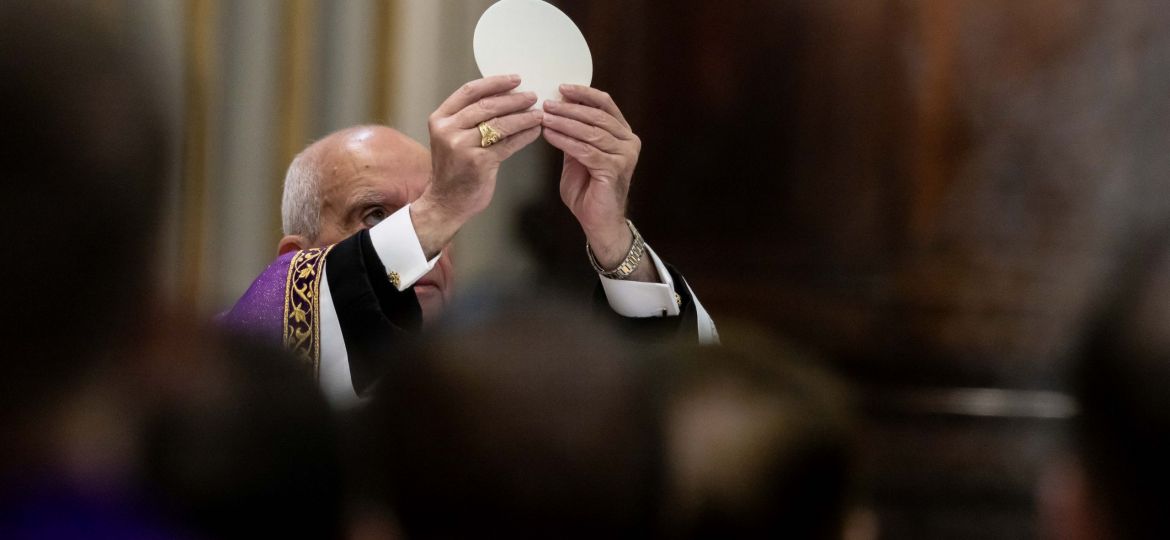
Discerning whether to offer or receive Communion can be a challenge, spiritually and pastorally; but such discernment can always also be fruitful.
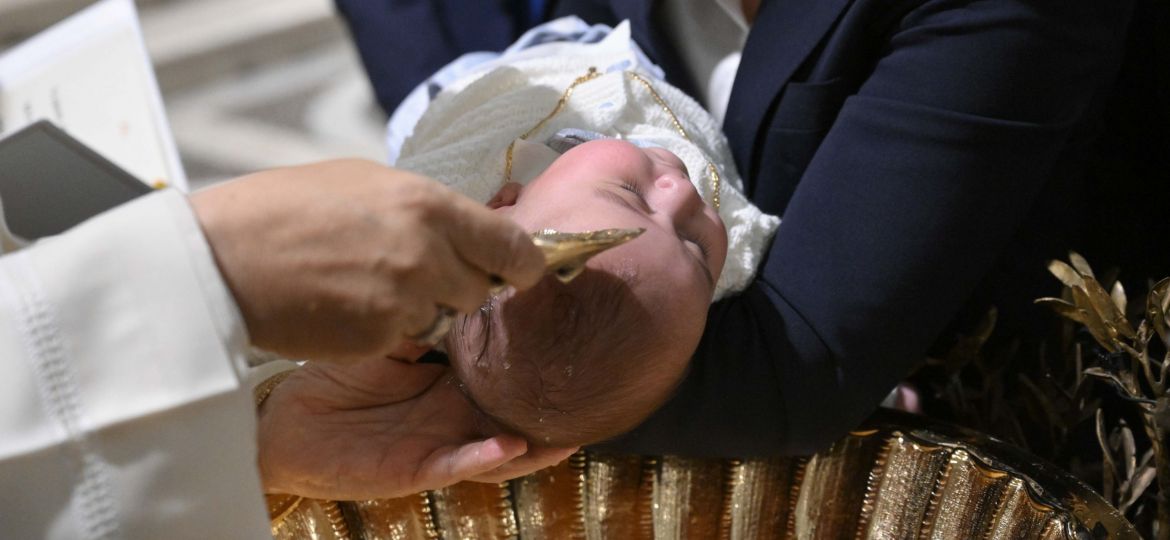
In this article, I would like us to reflect more intentionally on how our baptismal promises are meant to be lived in a very practical way within the parish community.

I recently enjoyed a wonderful apocalyptic novel, “Lord of the World,” by the British author and priest, Robert Hugh Benson. I was excited to read this book because I learned that recent popes (such as Benedict XVI, Francis, and Leo XIV) have spoken about it as a prophetic reflection of our times.