
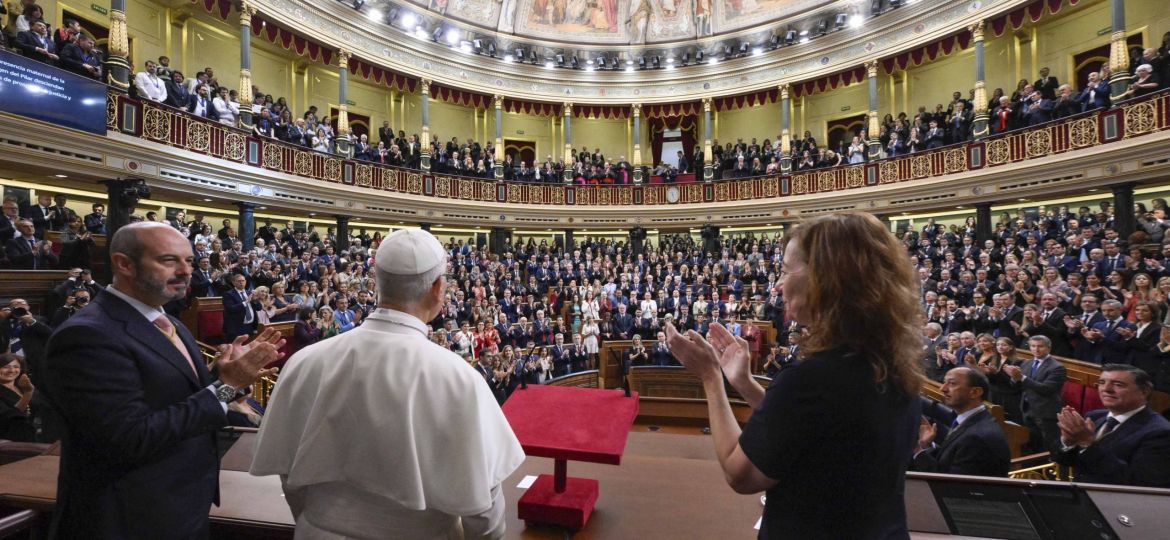
In a sweeping address to the Spanish parliament, Pope Leo XIV delivered a forceful defense of the dignity of every human life, declaring that its protection is not a partisan issue but “a goal of civilization,” while addressing the issues of abortion, migration, freedom of conscience, the seal of confession, and the Church’s role in public life.
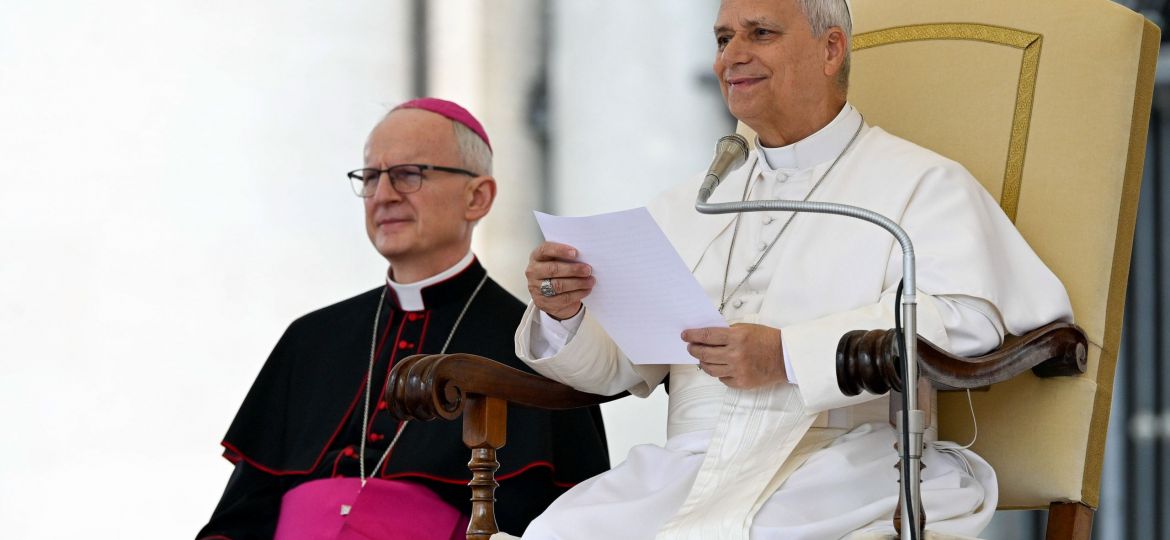
Pope Leo XIV told Catholic university leaders on June 3 that they have a responsibility to instill in their students a passion for “not only intellectual truth, but the truth that is Christ himself.”
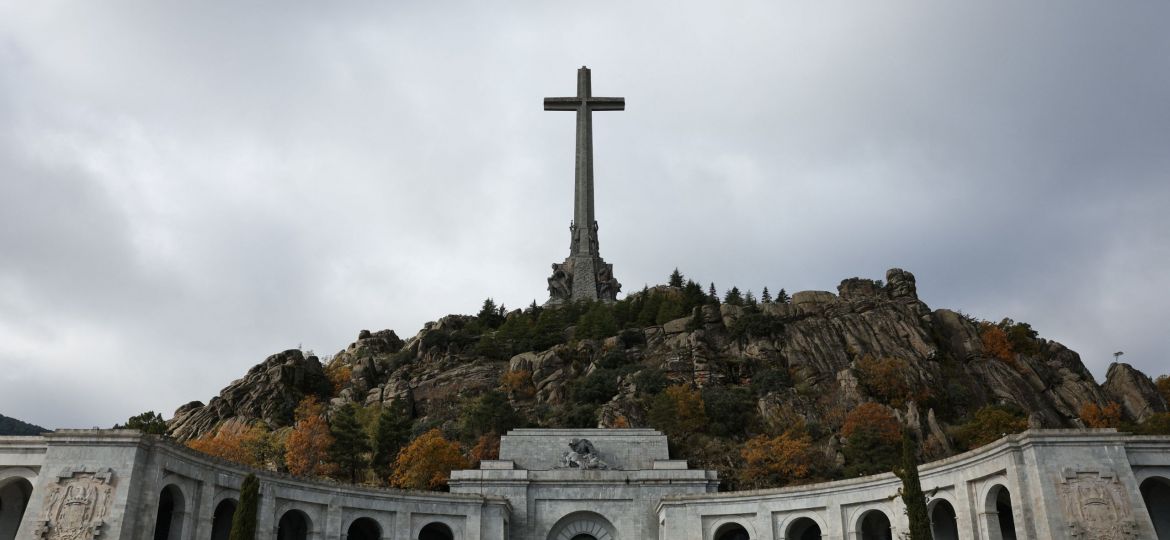
As Pope Leo XIV descends toward Madrid June 6, one landmark likely to catch his eye is a towering cross rising above the cemetery at Paracuellos del Jarama on the outskirts of the Spanish capital.
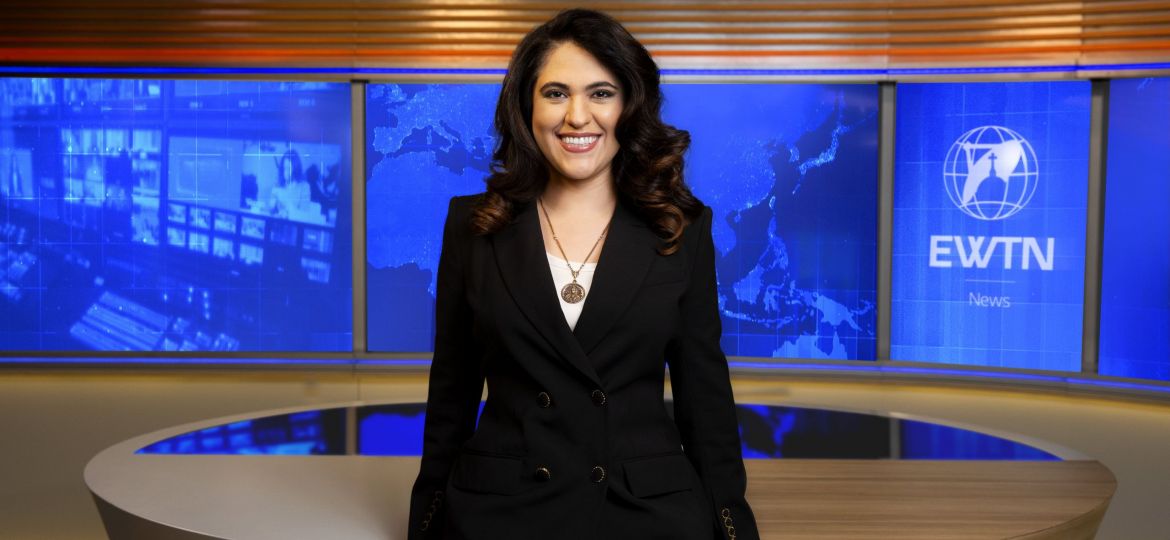
Pope Leo XIV appointed Maria Montserrat “Montse” Alvarado, president and chief operating officer of EWTN News, as prefect of the Vatican’s Dicastery for Communication on June 2.
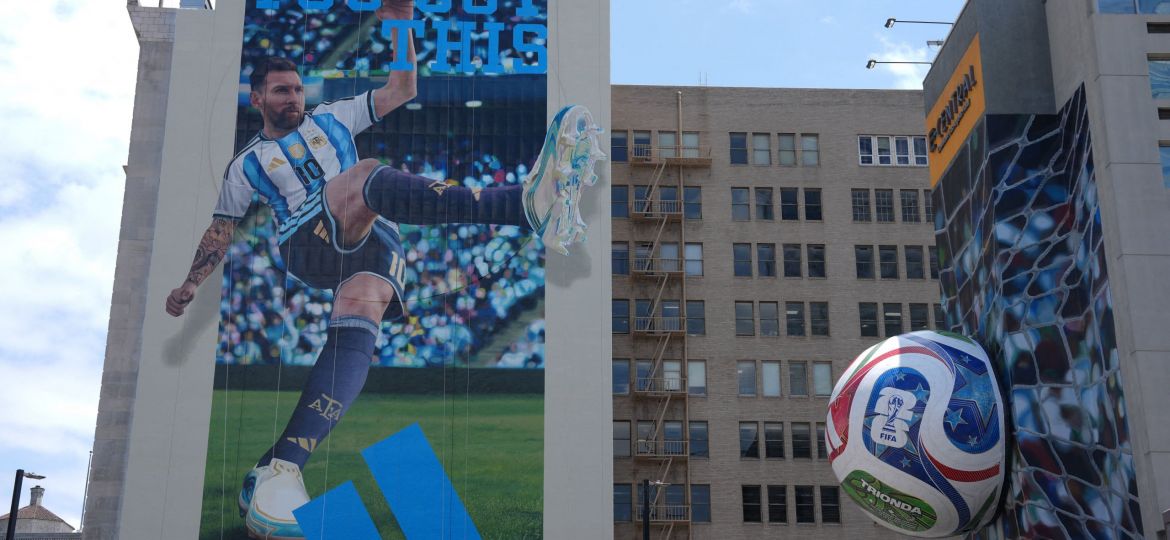
As World Cup approaches, Pope Leo’s June prayer intention is for sport to foster peace and encounter
With the FIFA World Cup opening this month, Pope Leo XIV has dedicated his June prayer intention to the power of sport to build bridges between cultures and nations, releasing a video prayer calling on athletes, coaches, and fans alike to embrace the field as a space of encounter rather than division.
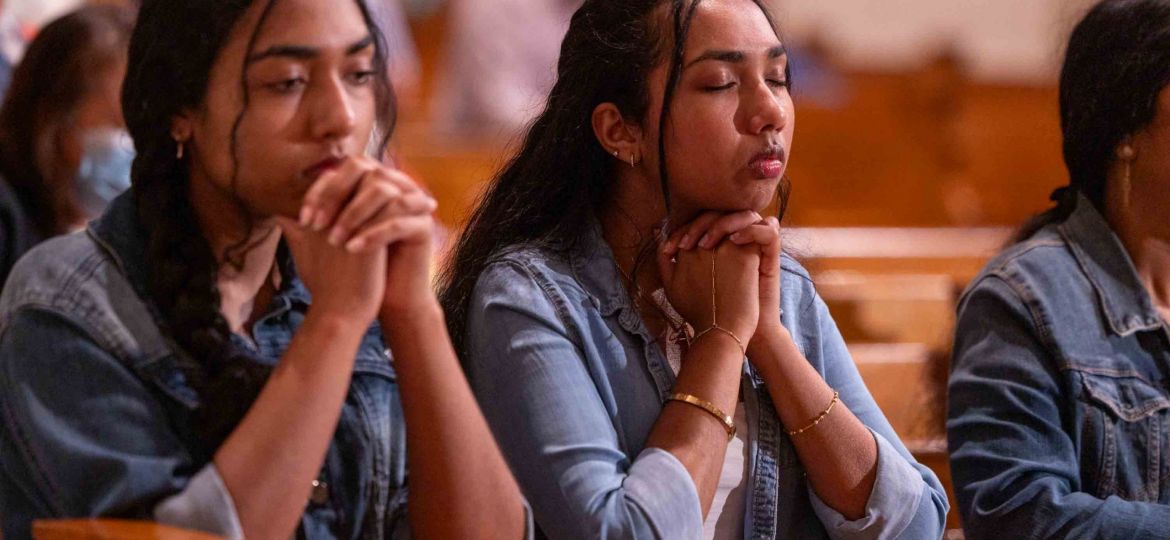
Joining Pope Leo XIV in a worldwide rosary for peace, several hundred people gathered at the Basilica of the National Shrine of the Immaculate Conception in Washington May 30 to seek the intercession of the Blessed Virgin Mary to bring peace to the hearts of people and peace to nations at war.
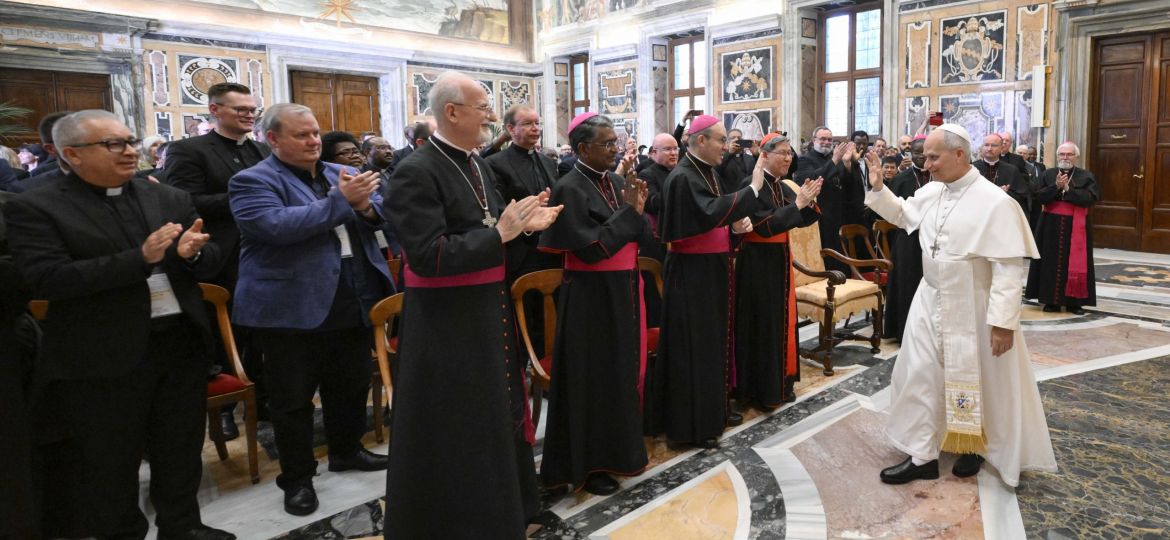
Pope Leo XIV praised Venerable Fulton J. Sheen on June 1 as “a light of faith, hope, and love” whose radio and television broadcasts brought the Gospel to millions of Americans — including the pope himself as a child.
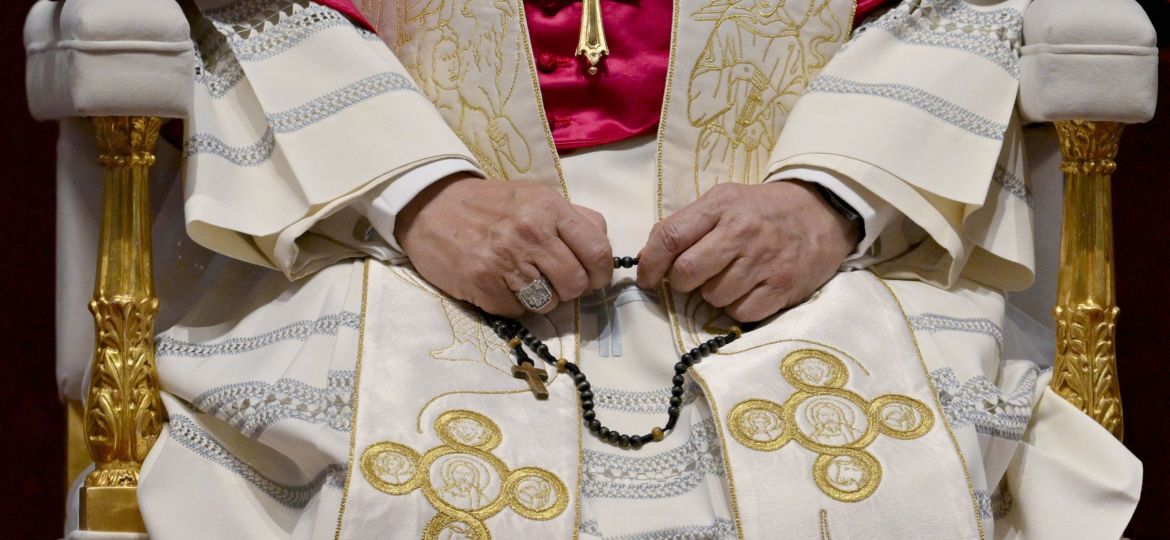
Pope Leo XIV will preside over a worldwide rosary for peace May 30, uniting Marian shrines across continents in simultaneous prayer to close the Catholic Church’s month of devotion to the Virgin Mary.
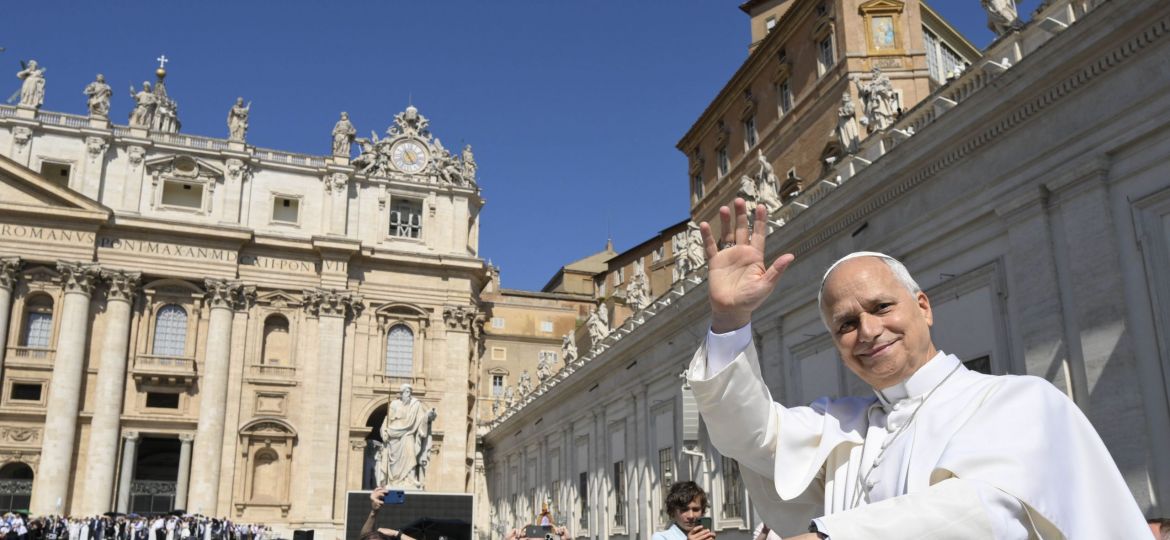
Amid renewed tensions between the Vatican and traditionalist Catholics over the teachings of the Second Vatican Council, Pope Leo XIV defended Church reform as a legitimate process that adapts to current needs while remaining rooted in authentic tradition.
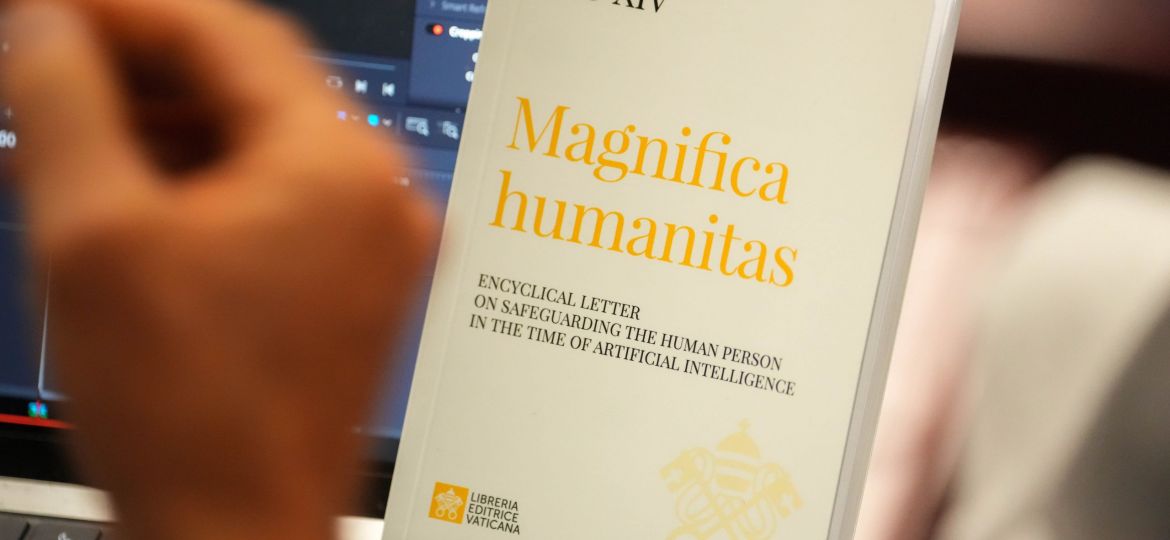
At a time when digital technologies are developing at a rapid and unpredictable pace, every single person must decide if she or he will be: a passive bystander; an unhelpful commentator; an avaricious architect of a new “Tower of Babel”; or a patient, hope-filled builder of a “civilization of love,” Pope Leo XIV said in his first encyclical, “Magnifica Humanitas.”