

Gabriel is not the first messenger of the LORD to greet someone with the phrase “The LORD is with you” (Lk 1:28). An anonymous angel hails Gideon, a young man from a poor and insignificant family, as the lad desperately hides his family’s wheat harvest from the marauding Midianites: “The LORD is with you, you mighty warrior!” (Jgs 6:12).

“Give us this day our daily bread.” With those words from the Lord’s Prayer, the Canadian Conference of Catholic Bishops is framing a new national reflection on food insecurity.

The two petitions that conclude the “Our Father” prayer form a single sentence. “And lead us not into temptation” is inseparable from “but deliver us from evil,” according to faith as well as grammar. And just as the word “temptation” needed to be mined for deeper insights, so too does the word “evil.”
In the last decade, the liturgical versions of the Our Father have been changed in both French and Italian to soften the apparent harshness of this petition. The French translation is now “Ne nous laisse pas entrer en tentation,” “Do not let us enter into temptation,” and the Italian runs “Non abbandonarci alla tentazione,” “Do not abandon us to temptation.”

This petition is the most scandalous of them all. The verb tenses reveal the heart of the matter.
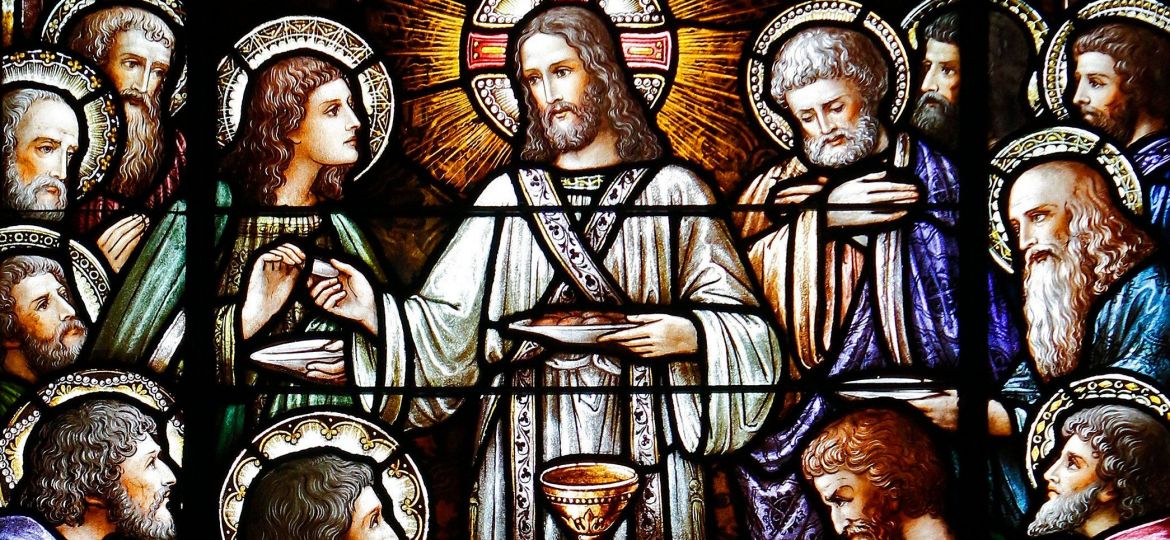
My ideal translation of this phrase would be “Give us our ‘supersubstantial’ bread today.” That would sound gloriously awkward at Mass, and ‘supersubstantial’ would be a liturgical tongue twister for children trying to say the word quickly five times in a row. That translation, though, grants immediate access to the mystery at work in the first petition of the Our Father prayer.
Death, disobedience, and sin are not part of the original divine plan, and yet they are manifest facts of human life. How, then, is the divine will to be done by me or any other weak-willed man or woman dwelling in the valley of the shadow of death?
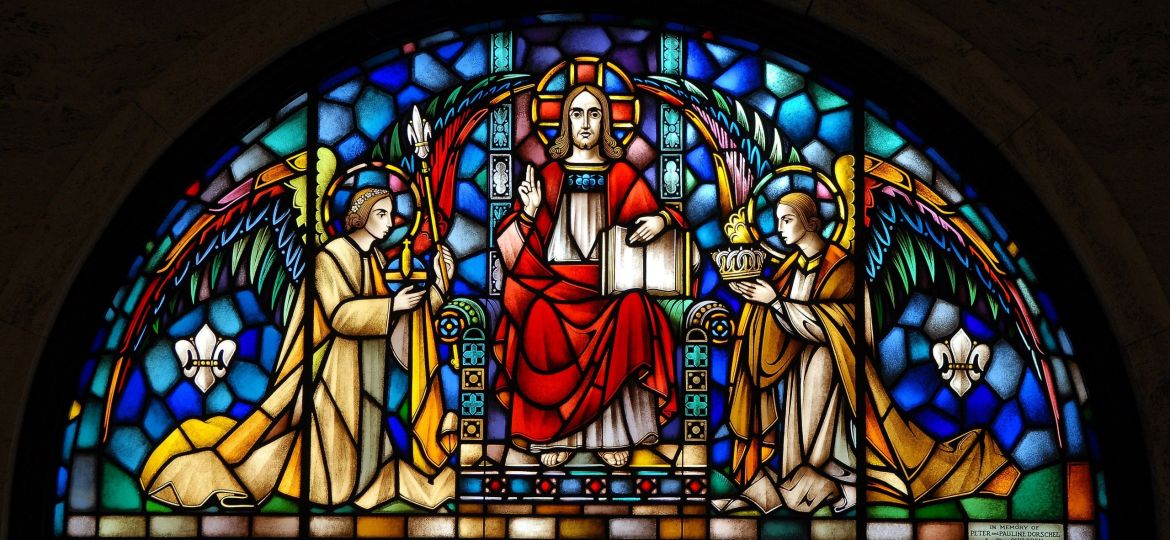
The current object of my loving mystification is “Thy kingdom come.” In an effort to be slightly less intimidated by this vast and marvelous petition, I will arrange my musings as responses to the time-honored journalistic questions.
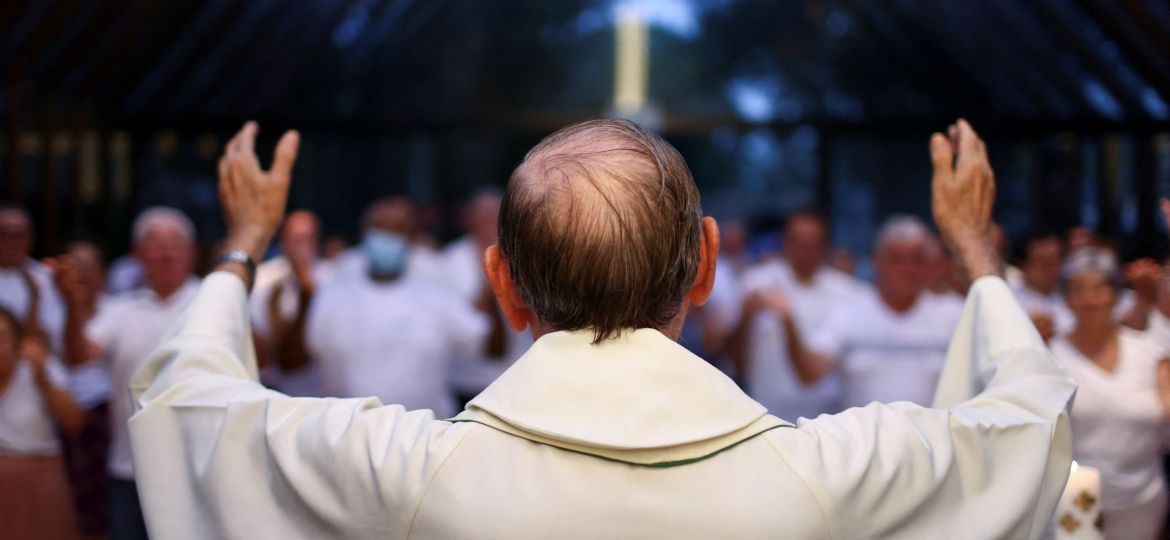
Jesus poses a problem when He instructs us to pray to the Father with the words “hallowed be Thy name” (Matthew 6:9). Many Psalms exhort the faithful to praise or call upon the name of the LORD (Psalm 113:1; 116:13; 148:13), and others assert that “Our help is in the name of the LORD” (Psalm 124:8). But how can human beings hallow — that is, make holy — the name of the LORD (in Hebrew, YHWH), Who is already, always, and automatically holy, utterly beyond our ability to add to or subtract from, to influence or change?

“I want to go to heaven” is a common expression by Christians when asked to give a reason for their faith. Curiously, the phrase “to go” or “to get to heaven” is not found in the Bible. While heaven is rightly considered the goal and magnetic pull on everyone’s spiritual compass, it is neither a destination nor a physical place as Jesus presents it in the “Our Father” prayer.