
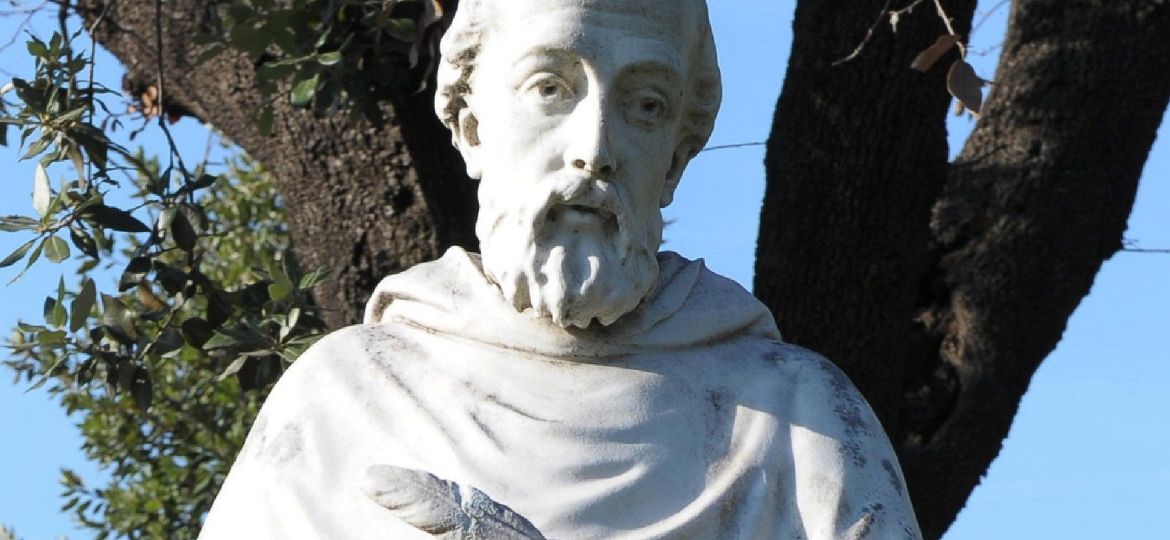
Is curiosity a good thing? As modern men and women, I think we are used to thinking of curiosity as an unqualified good. We might even be tempted to dismiss people who focus on only a few things as close-minded.
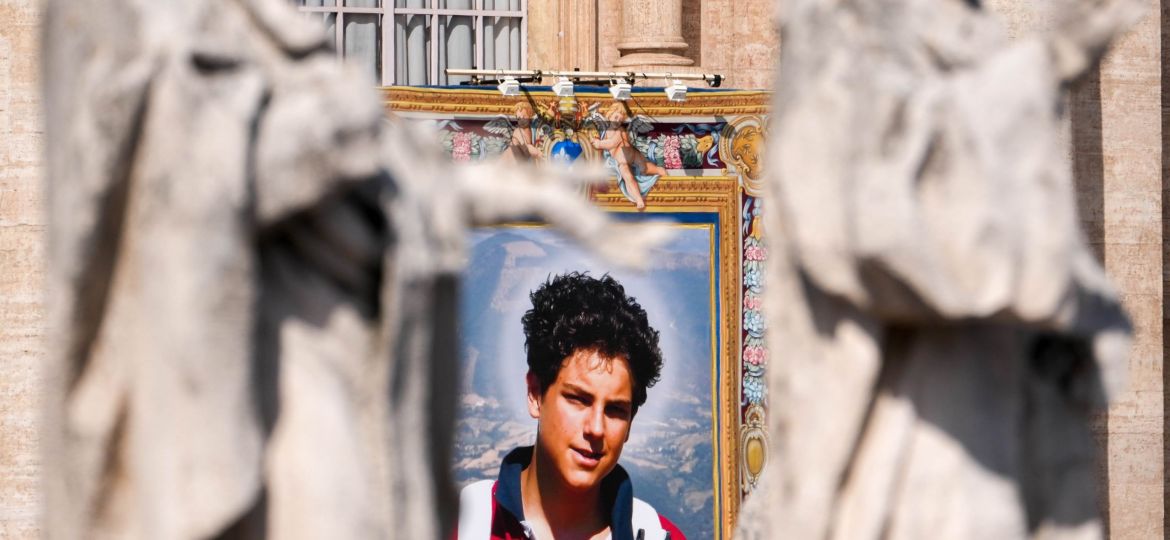
On Oct. 4, the Church marks the 800th anniversary of St. Francis of Assisi’s death. One way of celebrating the great saint is to open his tomb and expose his bones for viewing and veneration, as the Franciscans did several months ago.

What gives us motivation and energy? Our energy does not come simply from sleeping, eating, and exercising well. While such habits are important, Jesus reminds us of what we all know deep down: “Man does not live on bread alone” (cf. Mt 4:4; Dt 8:3). For we all know that even physically healthy people can sometimes struggle just to get out of bed if they lack awareness of the meaning of their lives.
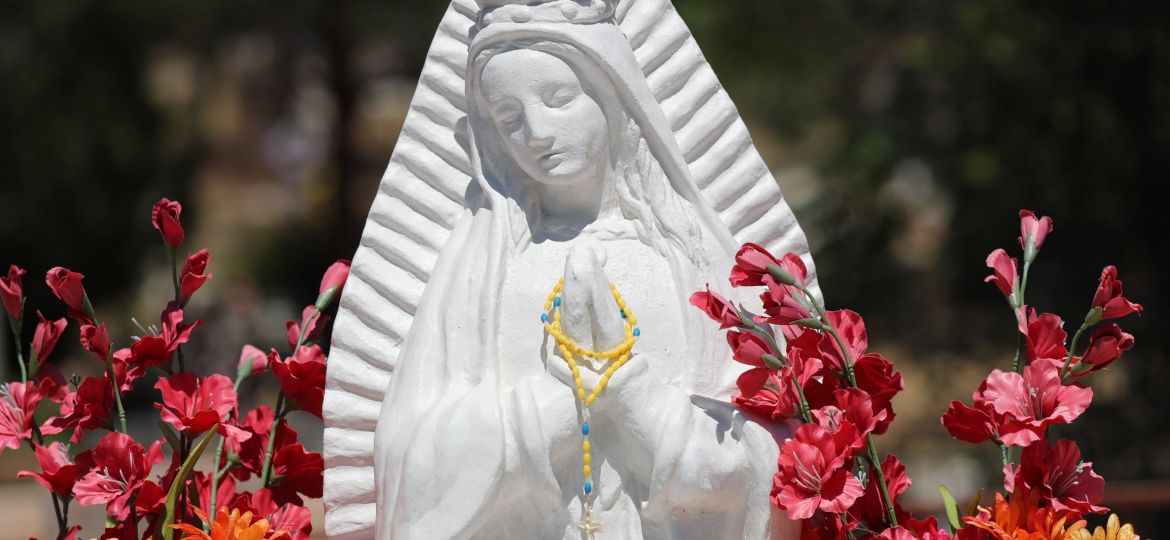
It is said that soldiers spilling their lifeblood on the battlefield often call for their mothers with their dying breath. In their violent exit from the world, they find comfort in remembering the maternal love that brought them into the world.

There are few things human beings can do that imitate God. One is to observe the Sabbath (see Gn 2:1-3; Ex 20:8-11); another is to rely on Mary.
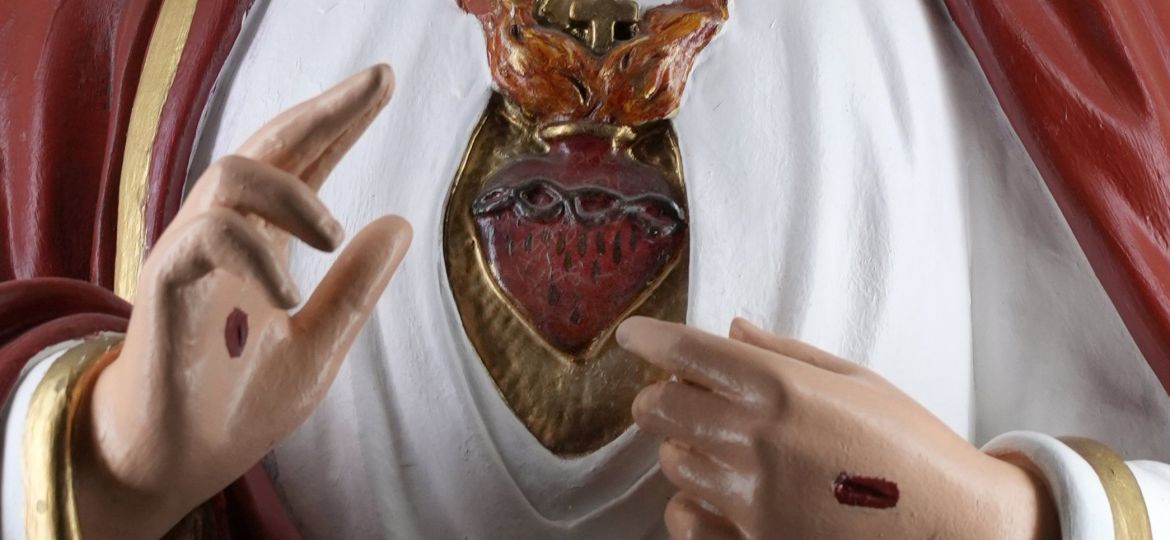
Imagine being born in 1182, at a time when you could happily spend your whole life in the same community. But while you are a child, a shipwreck takes away the money your father had intended to be your dowry, and so, while you are at the age of 12 your parents decide, at least for the moment, to send you away to a convent for an education. There’s no way to phone home, and instead of being with your family and friends, you have to follow the strict schedule of some nuns. As a child, you don’t want to become a nun, and instead you care a lot about what you look like and about impressing potential suitors. After all, until that shipwreck took your dowry, you were hoping to get married relatively soon.
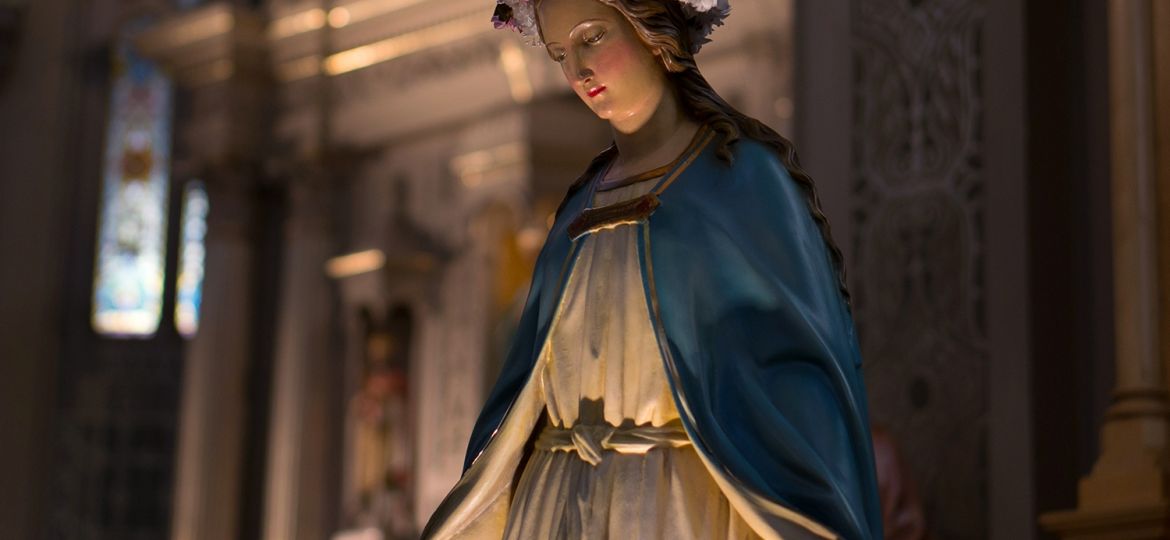
After singing the biblical praises of Mary, the second half of the Hail Mary prayer draws on the Church’s teaching about her singular role in salvation history. Given the simple piety expressed in the prayer and the rosary itself, we easily forget that the title “Mother of God” is the fruit of a tremendous battle for theological orthodoxy fought more than 1,500 years ago.
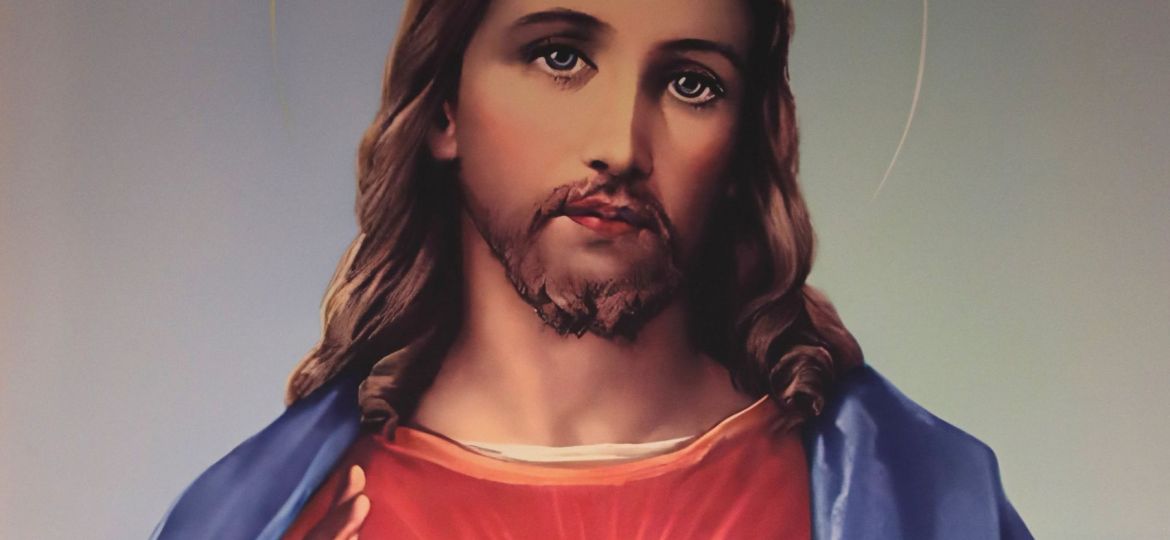
Do you ever feel like you are going through the motions without passion as you carry out your responsibilities? At times, we all can — even monks.
Jesus is the pivot point of the Hail Mary prayer. In the original Latin text, the prayer consists of two parts, each containing 15 syllables. The first part contains the biblical witness of the Annunciation and Visitation; the second features the doctrinal affirmation of Mary as the Mother of God who prays for us sinners, now and at the hour of our death.
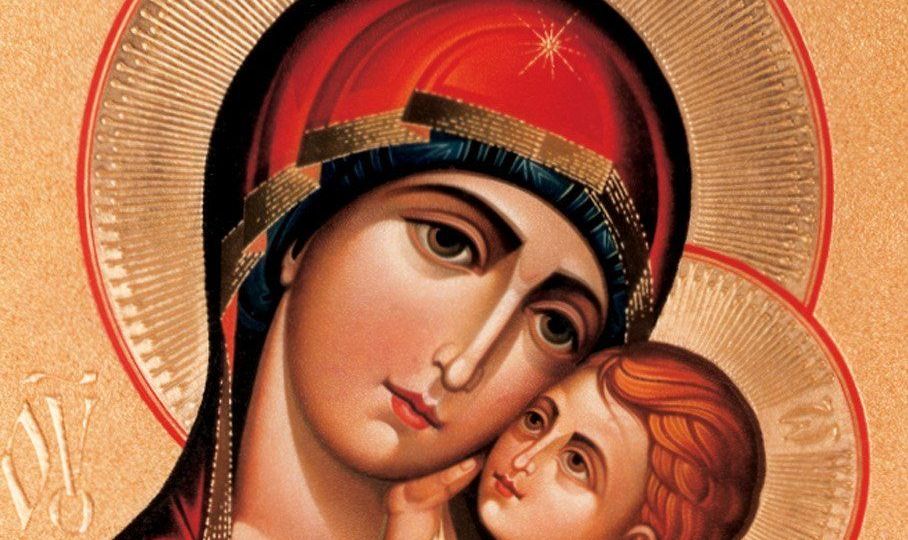
Elizabeth’s words to Mary form the bridge from the Annunciation to the Visitation in the Hail Mary prayer: “Blessed are you among women, and blest is the fruit of your womb” (Lk 1:42). After Mary’s hasty journey to her kinswoman, she, carrying Jesus in her womb-ark, receives an exuberant welcome from Elizabeth and John the Baptist. The unborn babies, Jesus and John, meet for the first time as their mothers embrace. Elizabeth explains what she has felt in her heart and in her womb: