
Every year at the end of July, our parish staff sets aside a week for staff development. This is a time to pause, reflect, and prepare our hearts and our ministries for the coming school and faith formation year. It’s a week of spiritual renewal, shared learning, and, yes, even a bit of office cleaning as we reset for the months ahead. We invite speakers, share stories, and encourage one another in the mission we carry together.
Life is a journey that unfolds one day at a time. This summer, I found myself reflecting deeply on what it means to trust that journey. My thoughts were not centered on where I stand today, but on where God is leading me. I had a quiet conversation with him within my heart, a conversation about my spiritual life, my relationship with him, and the mission he continues to shape in me as his priest and servant. I asked myself how God wants to use me to proclaim his Gospel, not only to others but also to my own soul.
While living abroad, I relished every opportunity to find a cheap flight to somewhere new and exotic. It was a simple but reliable source of joy for me. Month after month, I would input my available dates into Google Flights and wait to see what affordable adventure awaited me. The crowning achievement of my penny-saving plans was the time I secured a 30 euro roundtrip flight to Rabat, Morocco, for a weekend break.
Summer arrives each year with a familiar sense of anticipation. For many, it is a season of rest, a chance to step away from the usual routines and breathe a little more deeply. Families plan vacations, children celebrate the break from school, and communities fill their calendars with festivals, barbecues, and outdoor gatherings. Others use the long days to catch up on projects, reconnect with loved ones, or simply enjoy the warmth that invites us outdoors. However we experience it, summer is a season people look forward to, a time that feels like a gift.
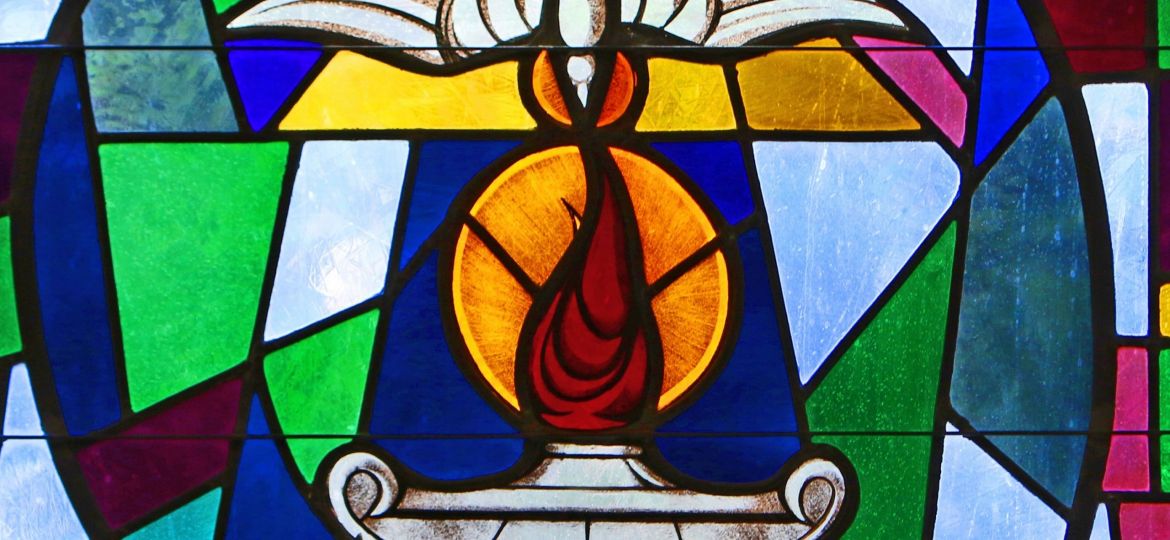
As we journey through the Easter season, the Church leads us from the Ascension of the Lord to the coming of the Holy Spirit at Pentecost and finally to the solemn celebration of the Most Holy Trinity. These feasts are not isolated moments on the calendar. They form a single movement of God’s love, a movement that invites us to stay close to the Lord and to live as the Apostles lived. This is also why, during the Easter season, the Church places such emphasis on the Acts of the Apostles. Acts is not just a historical book; it is the living picture of what happens when ordinary people take Jesus seriously, allow the Holy Spirit to breathe life into them, and live in the unity of the Father, Son, and Holy Spirit. Acts is Easter in action.
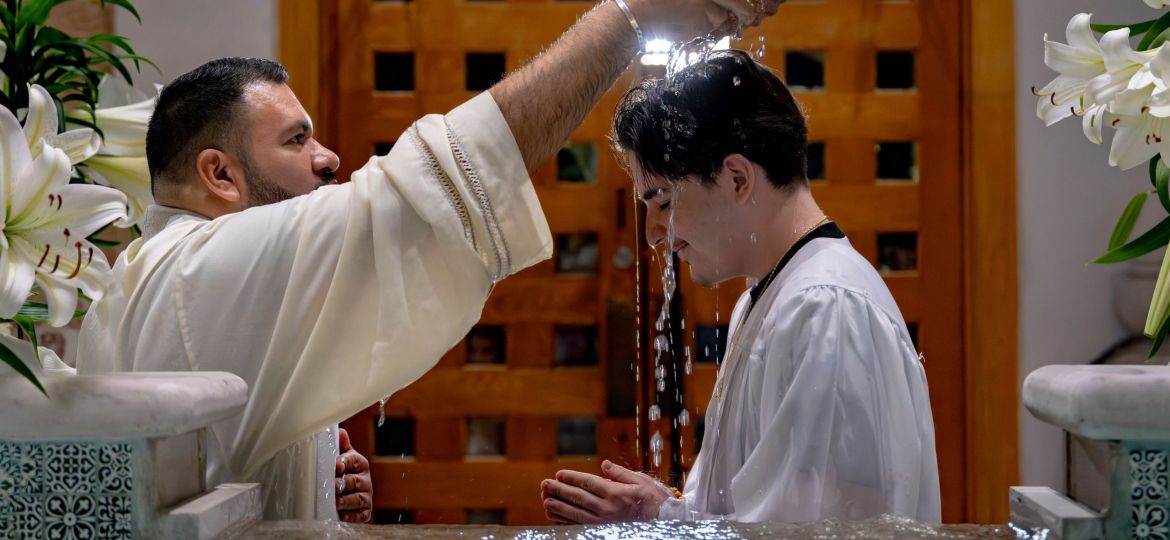
This past Easter, the Church witnessed something beautiful — a remarkable resurgence of people entering the Church through the sacraments. Across the world, and here in our own diocese, we saw men and women, young and old, stepping forward to embrace the faith. It is a sign of hope, a reminder that the Holy Spirit is still at work, stirring hearts, and renewing the Church. This rebirth is a gift, but it is also a responsibility. If we desire to see this renewal continue, we must remain faithful to the Word that gives it life.
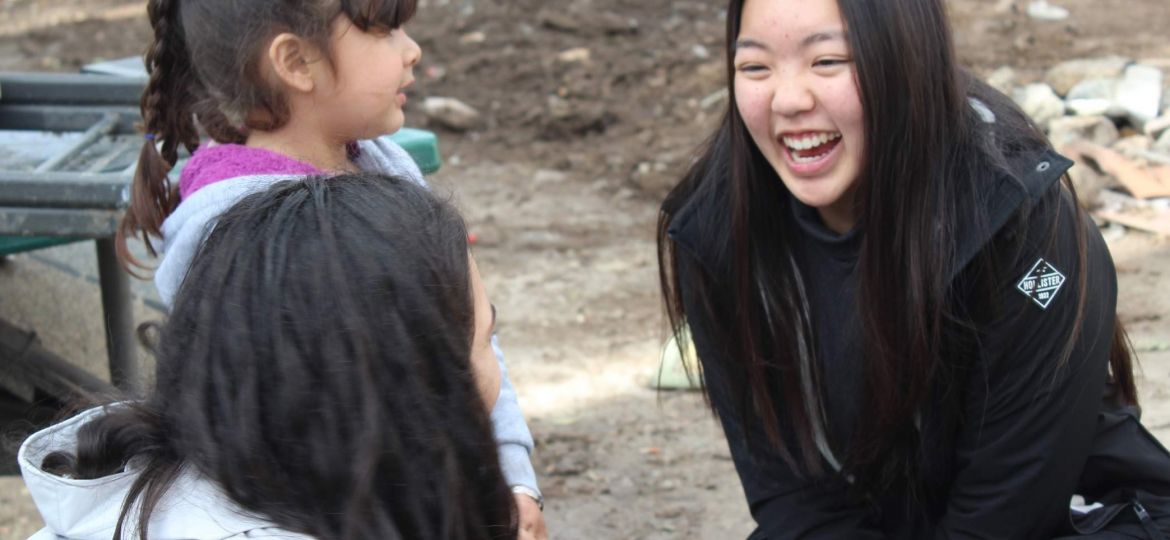
When we hear the word “evangelization,” we sometimes imagine grand gestures such as preaching to large crowds, missionary work in distant lands, or public debates about faith. While these certainly have their place in the life of the Church, Jesus’ approach to this concept reminds us that evangelization often begins in something far simpler, something found in ordinary human encounters. Every interaction we have can become an opportunity to draw someone closer to Christ.
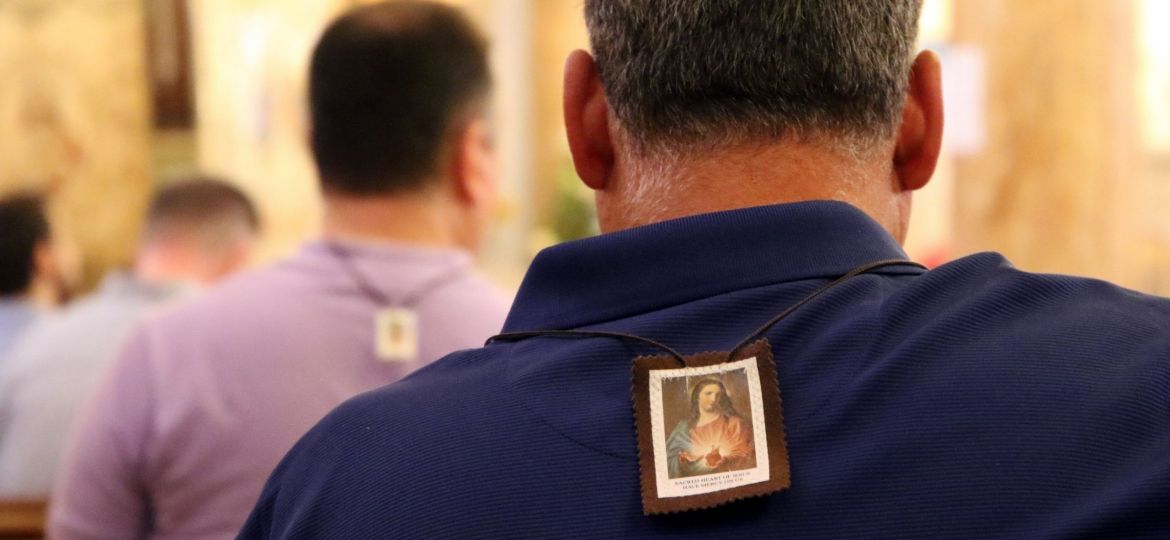
I once watched a simple movie scene that has stayed with me far longer than I expected. A mother gave her young daughter a scapular to wear around her neck. Like any child, the girl was curious. She asked her mother what it meant and why she should wear it. The mother answered gently, “It is a powerful prayer instrument. When you are in need, you touch it, speak to God, and tell him what you want. God will do it for you in his own way.”
When I was in seminary, I decided to do something I had never done before: run a half marathon. I had run a little in high school, but never more than two miles, so I knew this was going to stretch and challenge me. I did the research, got the right shoes, and began training. I ran several times a week at a slow pace, slowly building strength and endurance.
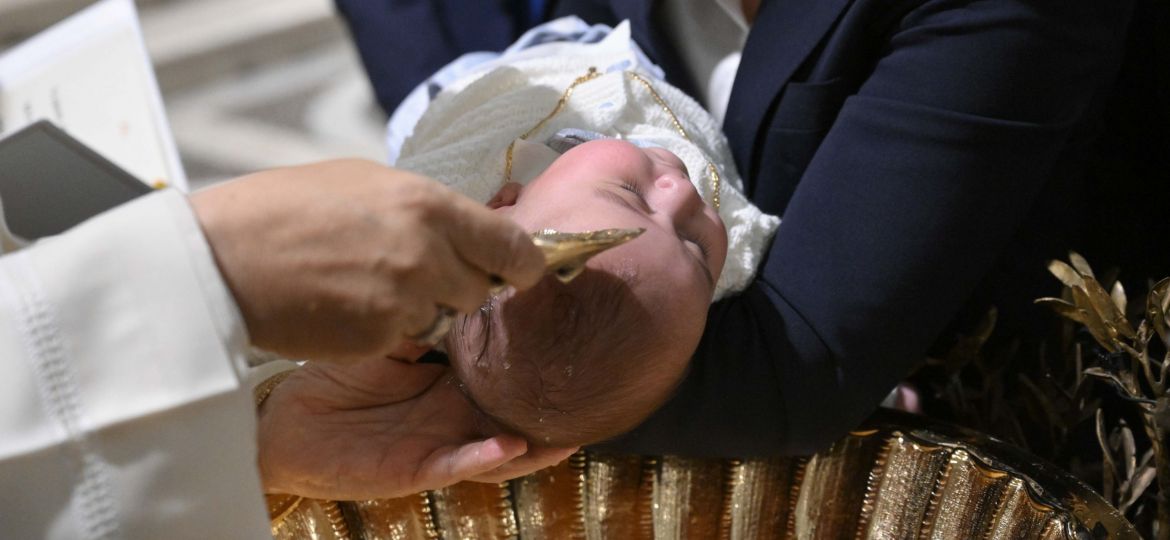
In this article, I would like us to reflect more intentionally on how our baptismal promises are meant to be lived in a very practical way within the parish community.