With nearly 1.5 million registered Catholics across nine counties, the Diocese of Dallas is looking to trained lay Catholics to help expand its ministry efforts. The diocese’s growing Catholic population is increasing demand for pastoral support in hospitals, rehabilitation centers, long-term care facilities, assisted living communities, hospice programs, psychiatric institutions, and homes — a need diocesan leaders say cannot be met by clergy and chaplaincy teams alone.
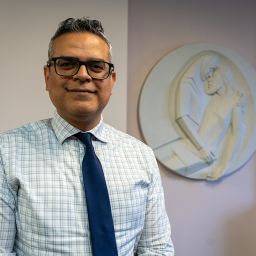
The Texas Catholic recently spoke with Deacon Shawn P. French, diocesan associate director of Hospital and Care Center Ministries, about how trained lay ministers can support the Church’s ministry to the sick, the homebound, and their families.
Why is hospital ministry such an urgent need right now?
Deacon French: “Health care settings often place people at some of the most vulnerable moments of their lives. A patient preparing for surgery, a family keeping vigil at a bedside, a person entering hospice, or a health care worker carrying the strain of crisis may need more than clinical care. They may need prayer, a listening ear, reassurance, and the visible presence of the Church. As the population of the diocese grows, those encounters are becoming more frequent, and the pastoral need is increasing at a pace that requires a broader response.”
What makes the challenge especially significant in the Diocese of Dallas?
Deacon French: “The diocese is blessed with priests, deacons, and men in formation, and their ministry remains essential, especially when sacramental care is needed; but the scale of the need is significant. Approximately 155 priests, 134 permanent deacons, and about 100 men in formation for the permanent diaconate serve a large and growing diocesan community. Put another way, there is roughly one priest for every 10,000 Catholics and one ordained minister — priest or deacon — for every 5,500 Catholics. That reality does not diminish the work of clergy. It shows why well-formed lay Catholics are needed to help extend pastoral care.”
How could lay Catholics help respond to this need?
Deacon French: “Lay Catholics can offer a ministry of presence that is both simple and deeply important. Through baptism and confirmation, the laity share in Christ’s mission and in the Church’s works of mercy. In a hospital or care setting, that may mean praying with someone, listening to a family member, accompanying a person who feels isolated, supporting chaplaincy teams, or helping identify when a patient needs a priest for confession or the Anointing of the Sick, or assistance from a priest, deacon or duly authorized extraordinary minister in receiving holy Communion. Lay ministers do not replace ordained ministers. They help ensure that fewer people face sickness, fear, grief, or loneliness without the compassion of the Church nearby.”
Is this a response to a shortage of priests?
Deacon French: “No. The numbers matter, but lay hospital ministry is not simply a workaround for limited clergy availability. It is a real expression of the vocation of the baptized. Visiting the sick, comforting the sorrowful, praying with those in distress, and standing beside families in vulnerable moments are all part of the Church’s healing mission. Many Catholics already have gifts that fit this ministry: compassion, steadiness, prayerfulness, health care experience, caregiving experience, and the ability to listen well. What is needed is a clearer invitation, thoughtful formation, commissioning, and continued support.”
What potential already exists in parishes across the diocese?
Deacon French: “The potential is considerable. Tens of thousands of Catholics already participate in parish life, and thousands serve as extraordinary ministers of Holy Communion, catechists, ministry volunteers, prayer group leaders, and parish leaders. Others bring professional or lived experience from health care, mental health, social work, counseling, education, military service, emergency response, and caregiving. Retirees may have both the time and the desire to serve in a meaningful way. If even one-tenth of one percent of the diocesan Catholic population became properly formed hospital ministers, the diocese would gain approximately 1,500 trained volunteers.”
What would formation and support need to include?
Deacon French: “Formation has to address both the spiritual and practical realities of health care ministry. Lay ministers need to understand prayerful presence, confidentiality, boundaries, collaboration with chaplains and health care staff, and sensitivity to families under stress. They also need to know when a sacramental need should be referred to clergy. This ministry should be rooted in accountability and parish support. Every care setting is different, and not every volunteer will serve in the same way; but every parish can begin by asking who among its people may be called to accompany the sick, the homebound, the hospitalized, or those nearing the end of life.”
How does emergency preparedness factor into this conversation?
Deacon French: “Emergency preparedness underscores the urgency. A mass casualty incident — whether caused by pandemic disease, severe weather, natural disaster, mass violence, or another crisis — could create pastoral needs far beyond current clergy and chaplaincy capacity. The COVID-19 pandemic showed how quickly access to patients can be limited and how much patients, families, and health care workers need spiritual support during fear, isolation, grief, and death. Building a larger trained lay presence before the next crisis would strengthen the diocese’s pastoral resilience.”
What is the invitation for parishes and parishioners?
Deacon French: “The first step is to begin the conversation. Pastors, deacons, parish staff, ministry leaders, and parishioners can help identify men and women with gifts for prayer, listening, compassion, steadiness, and service. Catholics who feel drawn to hospital or care center ministry can speak with their pastor, deacon, or parish leadership. The future of Catholic health care ministry in Dallas will depend on collaboration among clergy, deacons, chaplains, parish communities, and well-formed lay ministers. The need is real, and the opportunity is considerable. The Church already has the people. Now is the time to invite, form, commission, and support them for this vital ministry of presence.”
Cutline for featured image: Father Antonio Liberman-Ormaza, left, and Deacon Hugo Salinas serve as hospital chaplains at Baylor University Medical Center in Dallas. (Diocese of Dallas photo)