
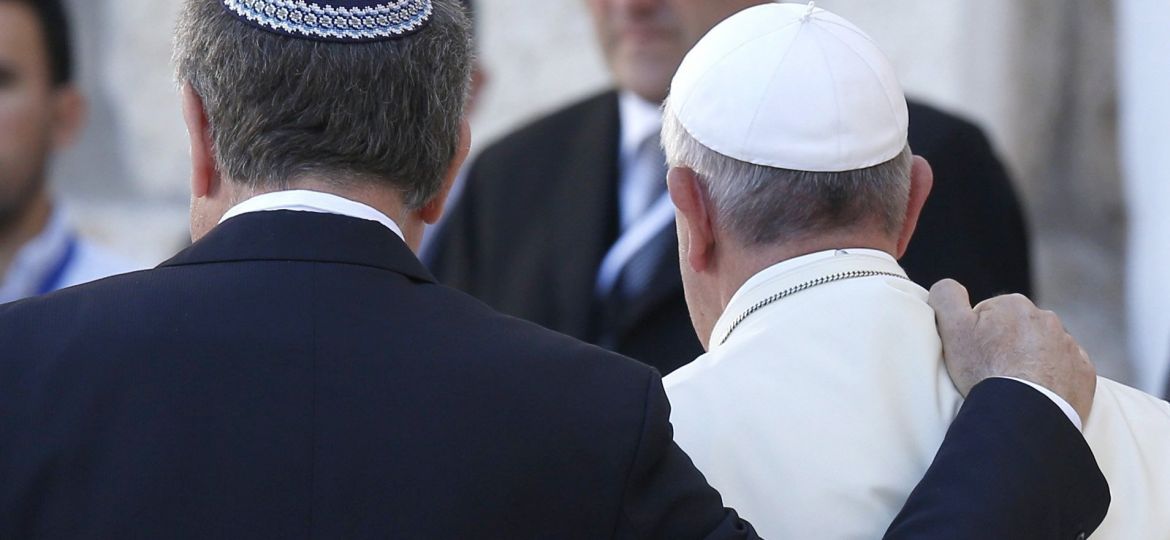
A new Vatican document affirms the Second Vatican Council’s landmark teaching on the Church’s relationship with the Jewish people and those of other faiths, while inviting humanity to enter upon a common “journey of hope.”
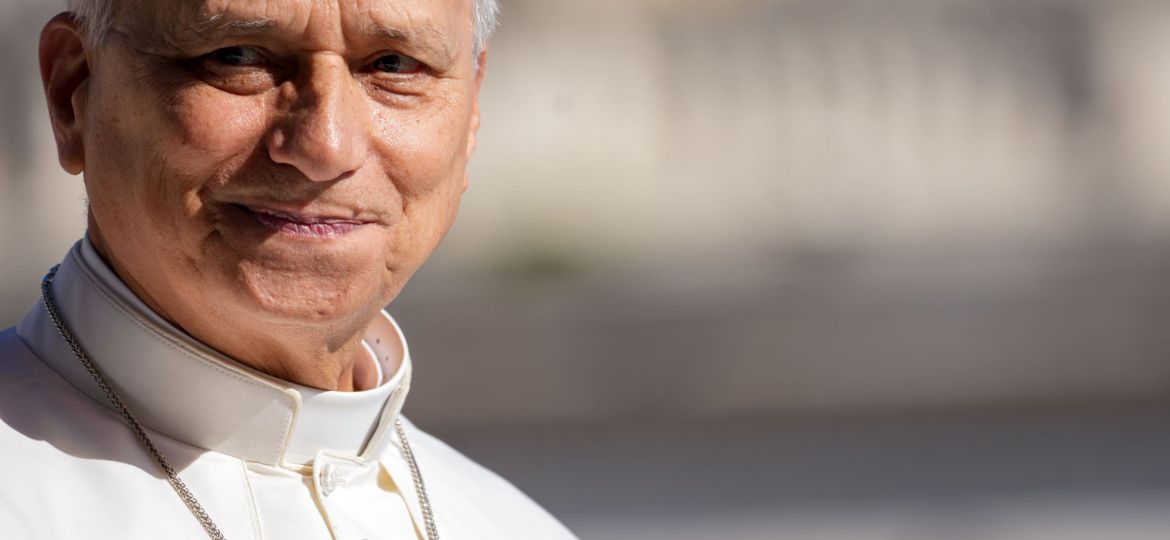
By Josephine PetersonCatholic News Service VATICAN CITY — In a world of increasing technological dependence and polarization, Pope Leo XIV said…
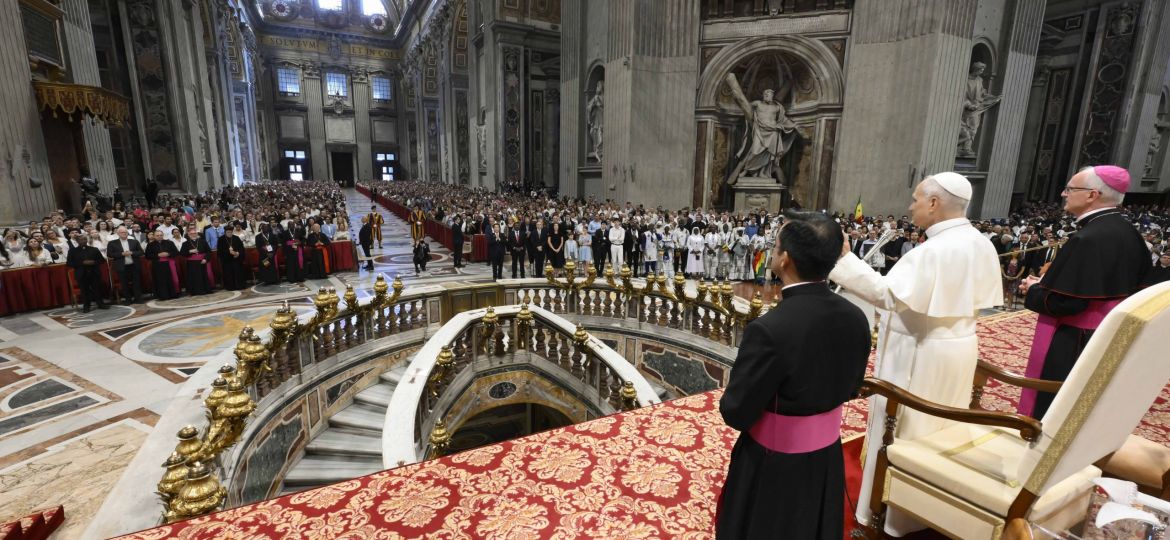
“Firmly rooted” in the Church’s living tradition, the liturgical reform put forth by the Second Vatican Council grew from the need for the faithful to celebrate the liturgy more “consciously and actively,” and not “as strangers and silent spectators,” Pope Leo XIV said.
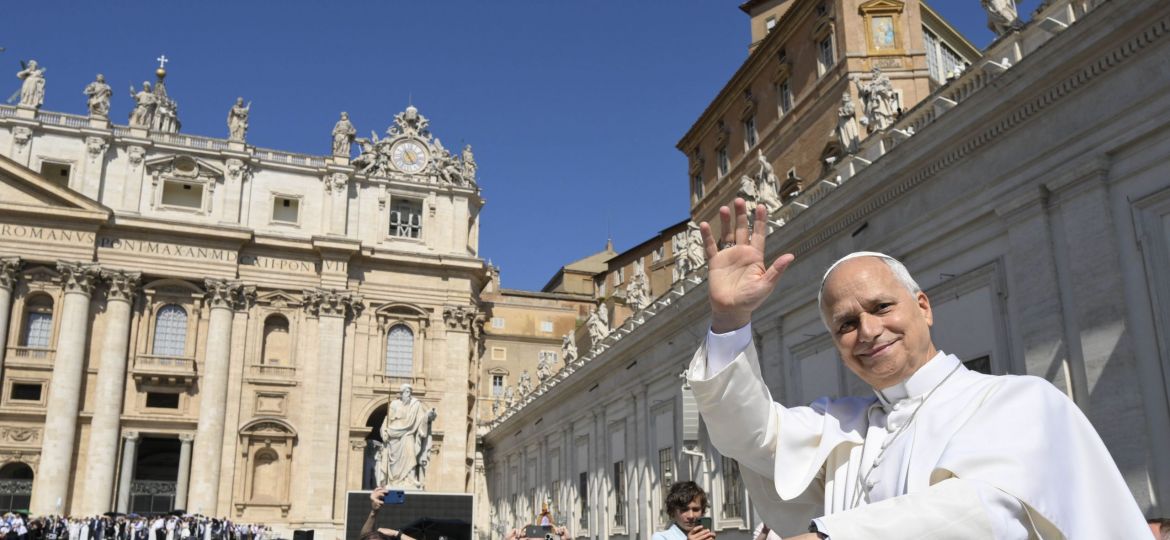
Amid renewed tensions between the Vatican and traditionalist Catholics over the teachings of the Second Vatican Council, Pope Leo XIV defended Church reform as a legitimate process that adapts to current needs while remaining rooted in authentic tradition.
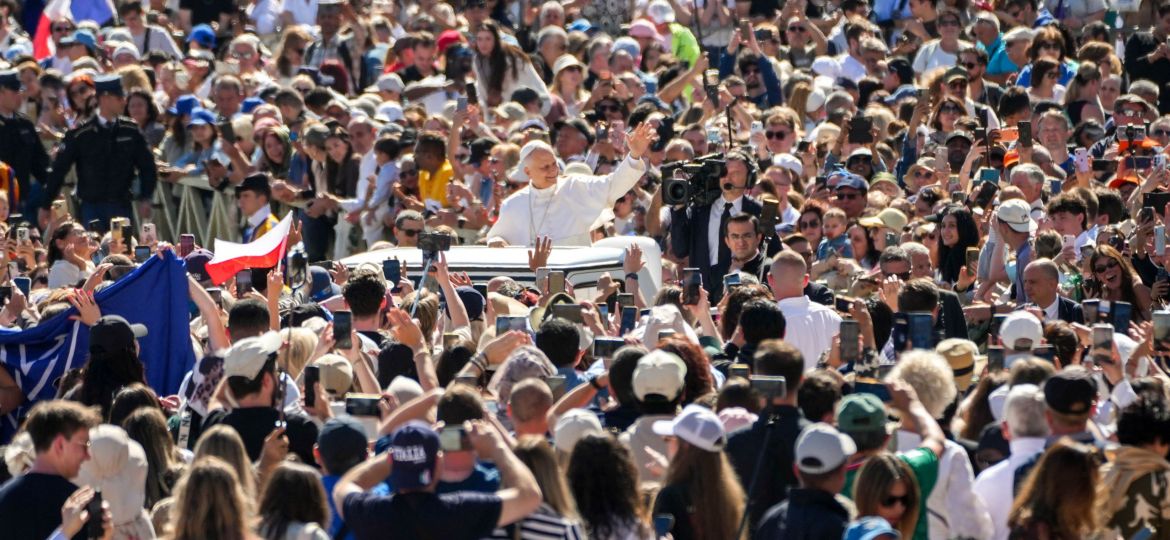
Christ is present in the liturgy — in the word that is proclaimed, in the sacraments, in the ministers, in the community, and most of all in the Eucharist, Pope Leo XIV said.
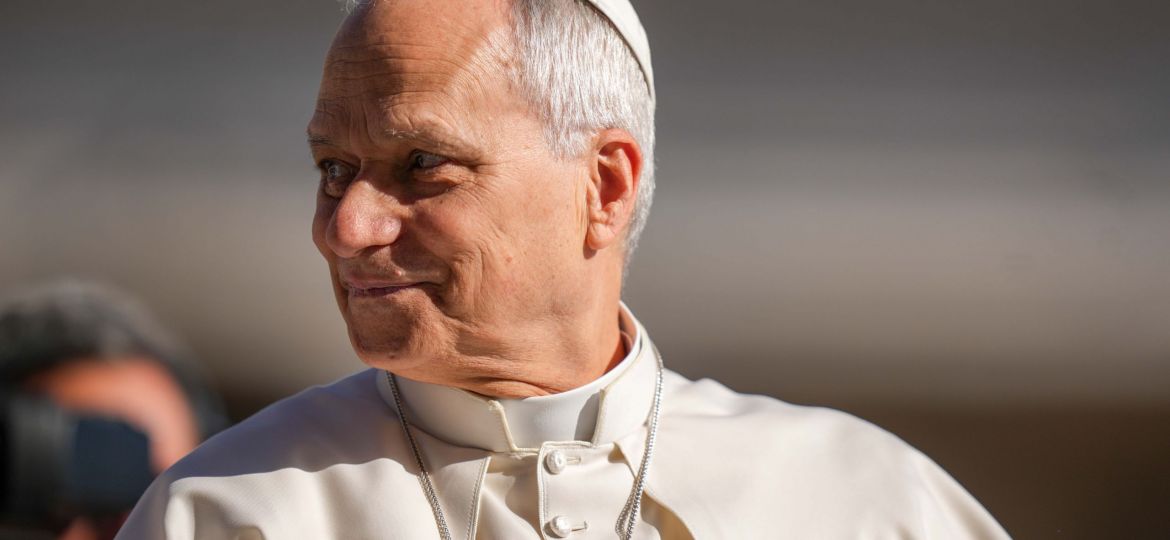
Pope Leo XIV welcomed the newly announced ceasefire in the Middle East as “a sign of genuine hope” after what he described as “hours of extreme tension,” while urging a return to negotiations and calling the faithful to prayer.
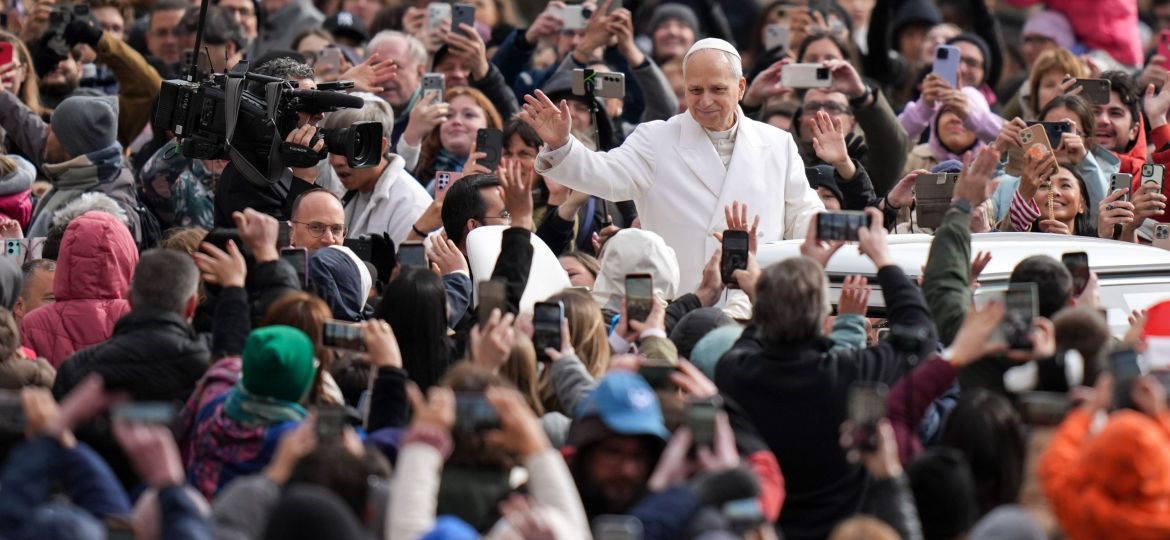
Laypeople are not passive members but active participants in the Church’s mission, called to live and spread the Gospel in everyday life, Pope Leo XIV said.
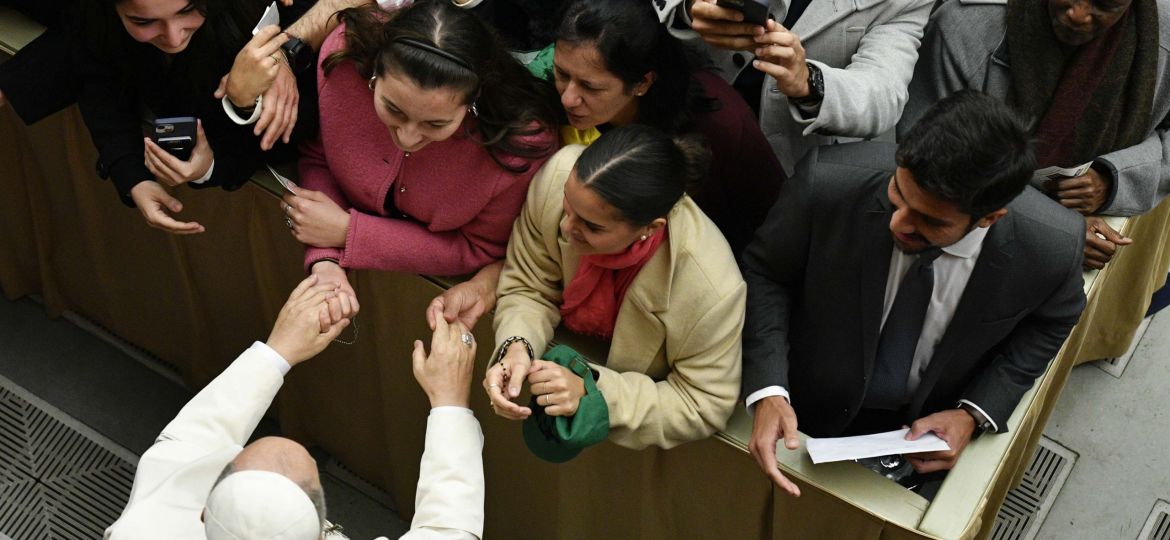
The Word of God is not “fossilized,” but rather develops and grows in tradition, Pope Leo XIV said.