
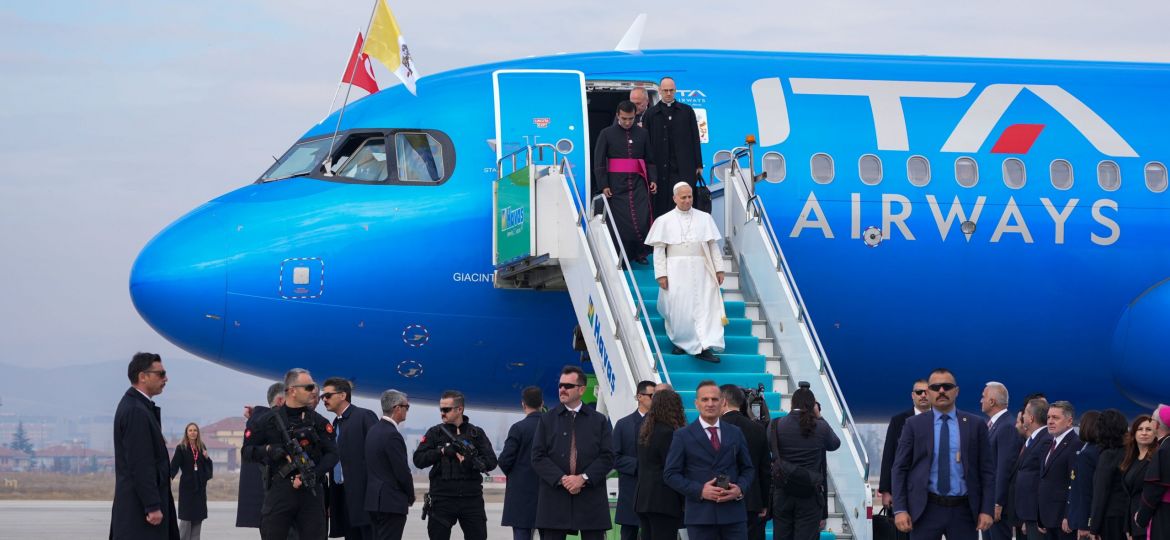
Pope Leo XIV will travel to six countries over the next four months, including a 10-day tour of Africa and trips to Monaco and Spain, the Vatican announced Feb. 25.
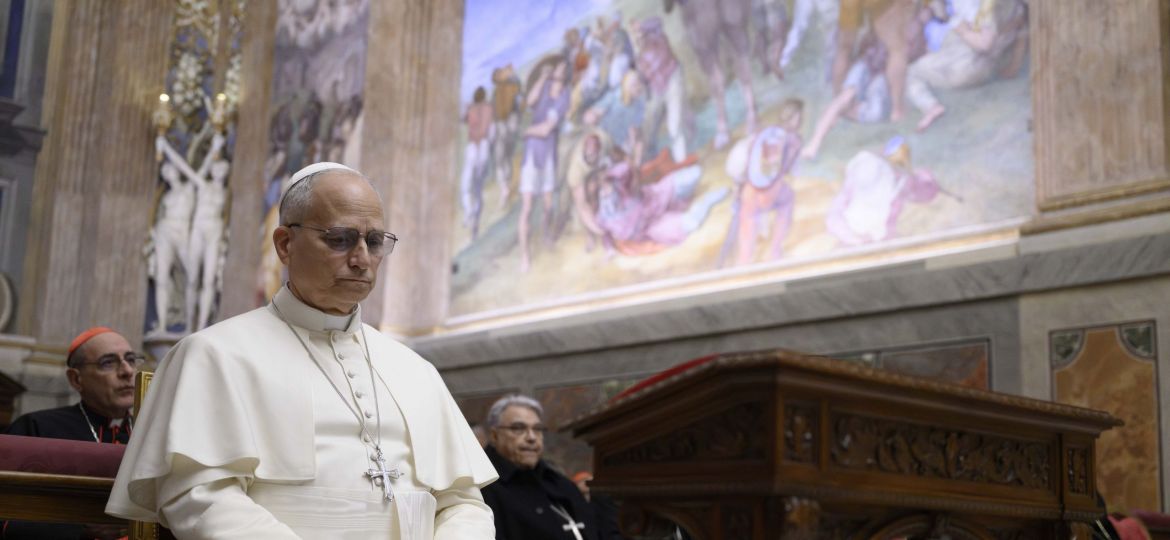
The Lenten season is a reminder that Christians are called to bear witness to Christ through authentic witness, not self-righteous indignation, Norwegian Trappist Bishop Erik Varden told the pope and Vatican officials.
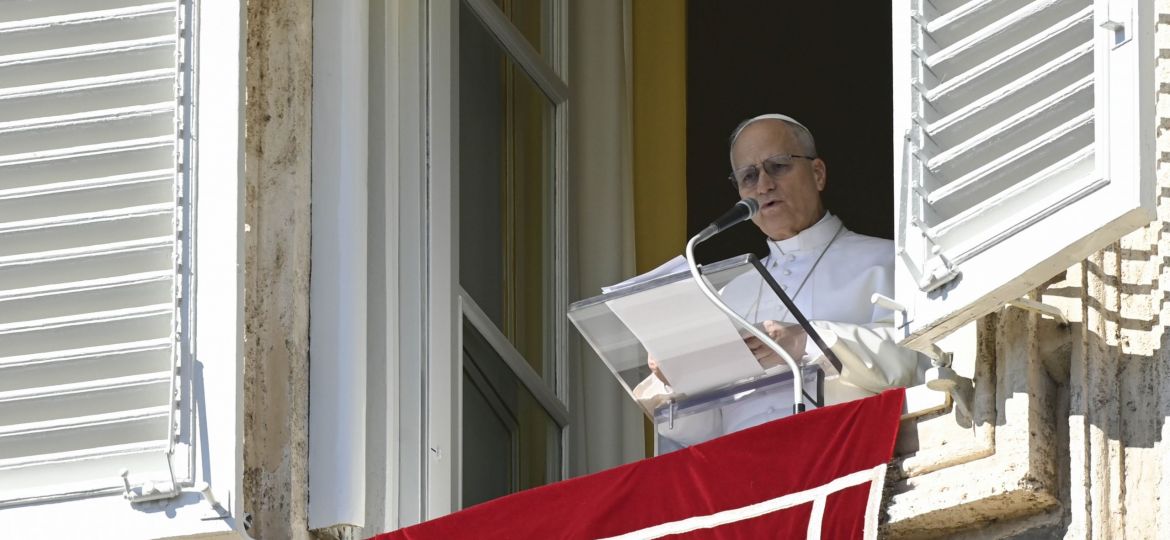
Pope Leo XIV has renewed his “heartfelt appeal” for an “immediate ceasefire” in Russia’s war against Ukraine and again urged dialogue “be strengthened to pave the way toward peace.”
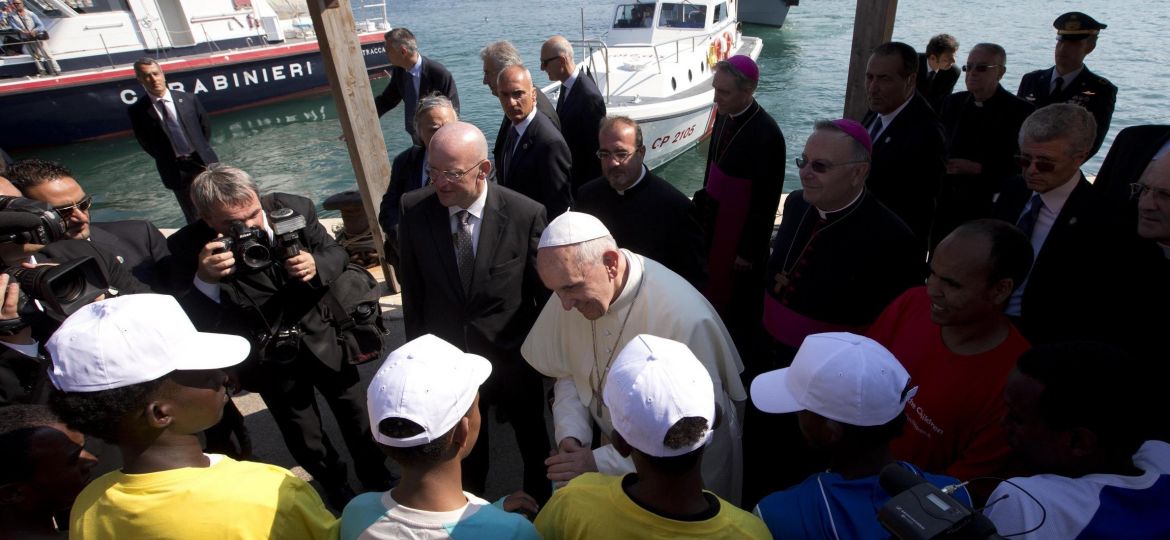
By Courtney MaresOSV News ROME — Pope Leo XIV will travel to six destinations across Italy this year, the Vatican announced…
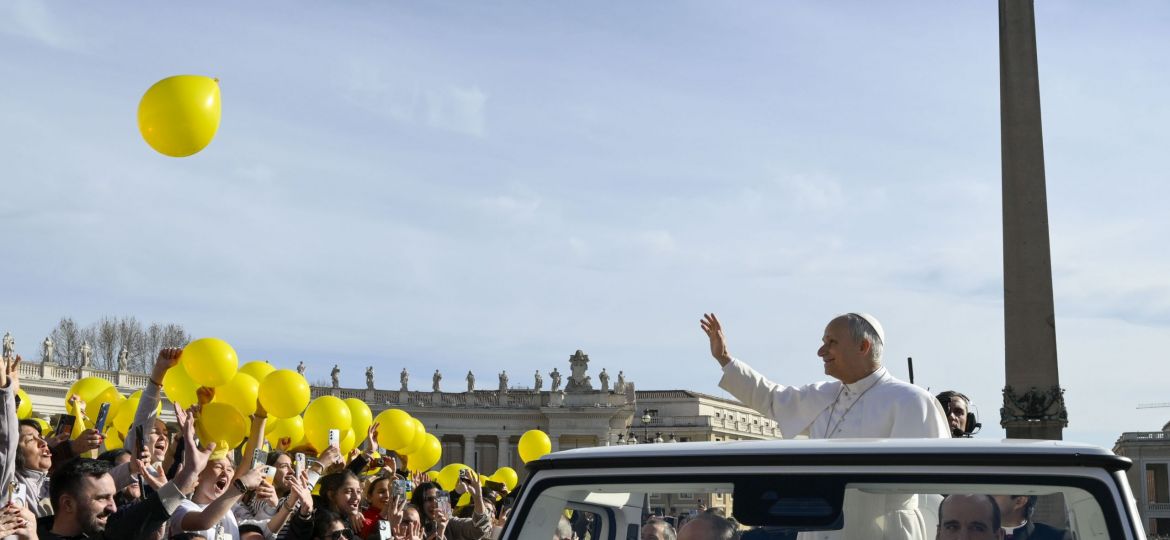
The Catholic Church is not merely an institution but a visible sign of God’s plan to unite all humanity in Christ through the power of the Holy Spirit, Pope Leo XIV said in his weekly general audience.
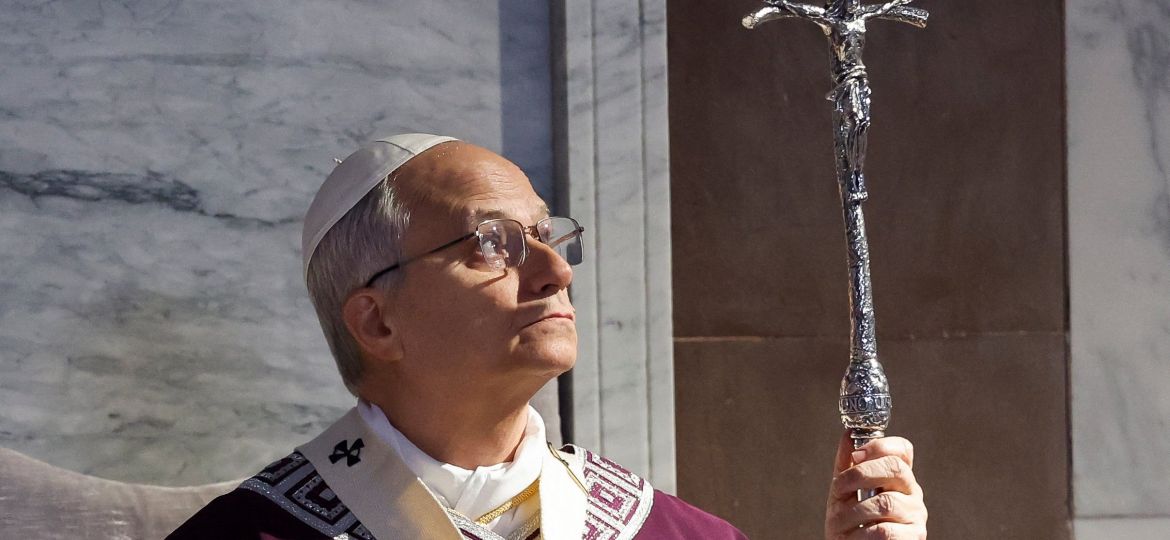
Beneath the Roman pines of the Aventine Hill, Pope Leo XIV led a solemn penitential procession Feb. 18 to Rome’s oldest extant basilica, marking the first Ash Wednesday of his pontificate with a call for “countercultural” repentance for sins from individuals, institutions, and the Church itself.
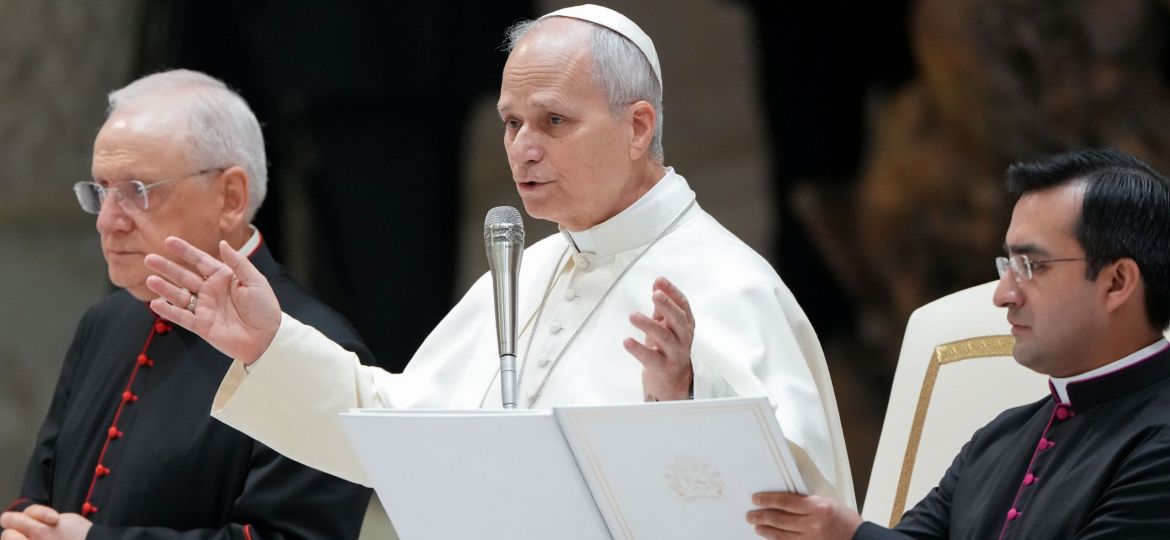
Ignorance of sacred Scriptures is ignorance of Jesus Christ, Pope Leo XIV said during his weekly general audience.
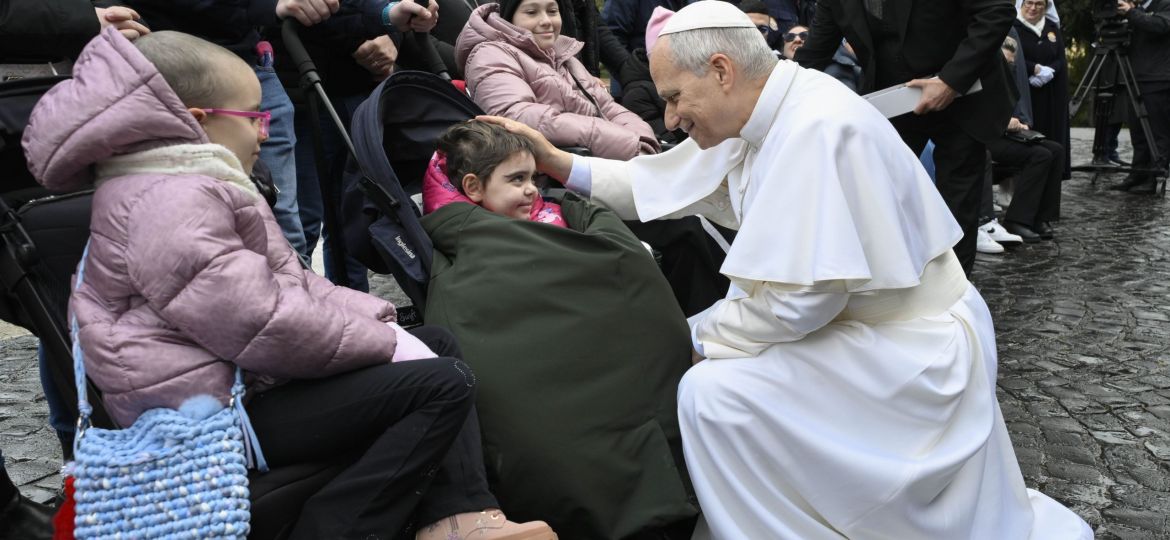
Pope Leo XIV prayed with the sick at the Lourdes grotto in the Vatican Gardens on Feb. 11, asking Our Lady of Lourdes to accompany all those who suffer in the world.
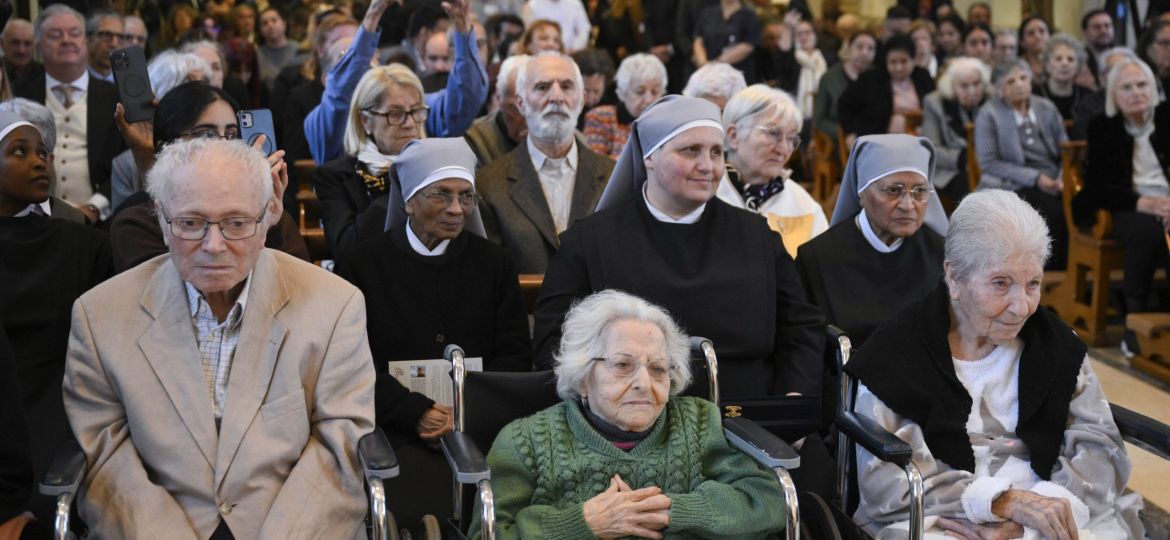
Pope Leo XIV has chosen “I will never forget you” (Is 49:15) as the theme for the Sixth World Day for Grandparents and the Elderly, the Vatican Dicastery for Laity, Family, and Life announced Feb. 10.
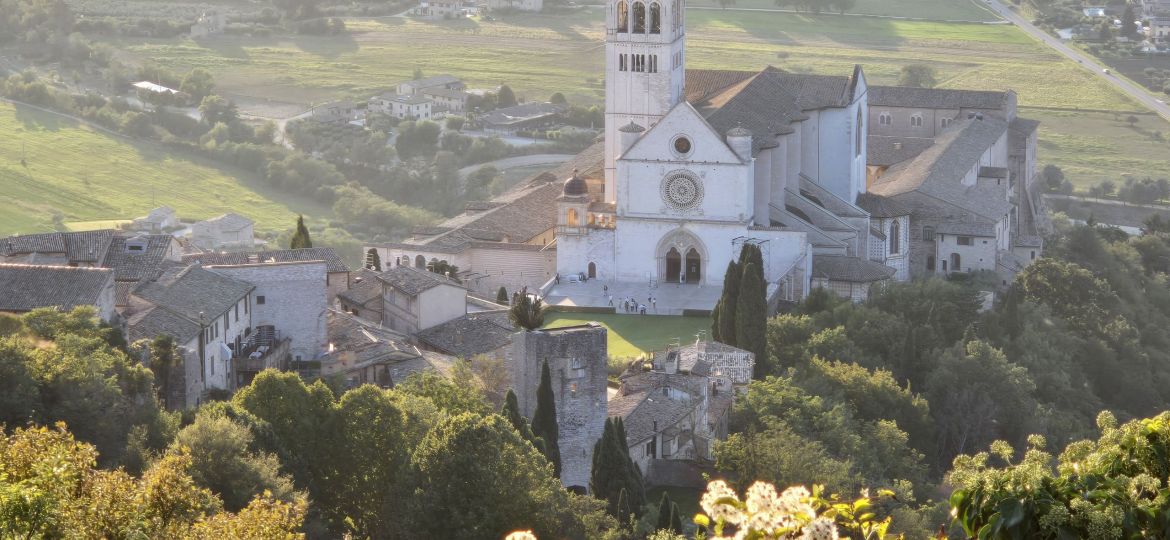
The Italian hilltown of Assisi is anticipating a visit from Pope Leo XIV during the special Jubilee Year of St. Francis as the city celebrates the 800th anniversary of the death of its most famous saint.