
I recently enjoyed a wonderful apocalyptic novel, “Lord of the World,” by the British author and priest, Robert Hugh Benson. I was excited to read this book because I learned that recent popes (such as Benedict XVI, Francis, and Leo XIV) have spoken about it as a prophetic reflection of our times.
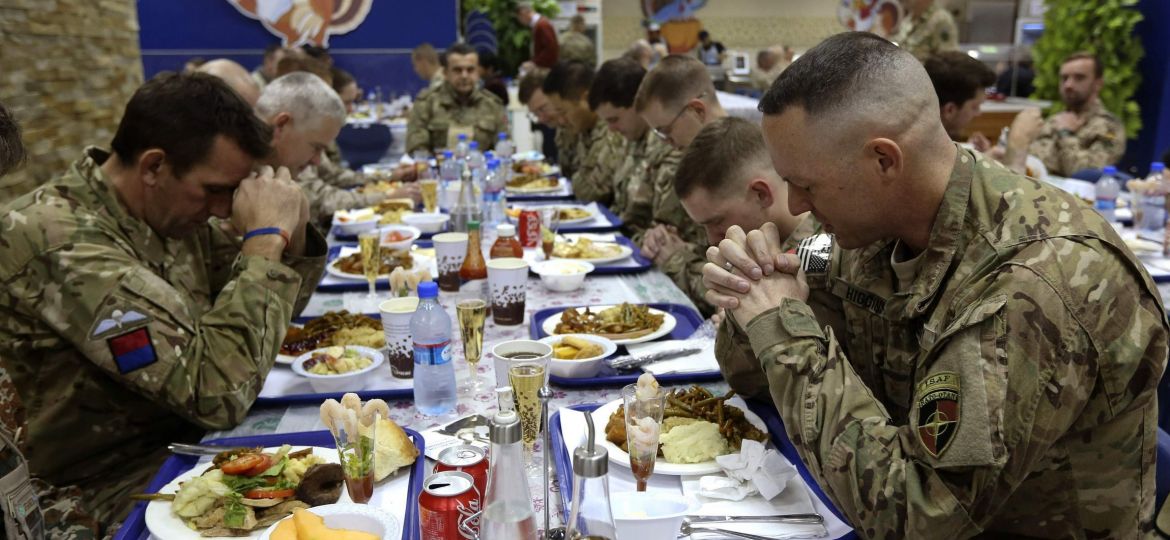
With Thanksgiving Day coming up, and given the social climate in our country, I am moved to reflect on the connection between love and criticism.

As Catholics, how should we imagine our relationship with the world? We often talk about “walls” and “doors” and “bridges” to explain how the Church should either connect to the world for the sake of evangelizing it or separate herself from the world for the sake of remaining faithful to God.

Rod Dreher’s “The Benedict Option” (2017) has been on my list of things to read for a long time. As a Cistercian monk rooted in the Benedictine tradition and apostolically engaged as a priest and teacher, I basically felt like it was required reading, given how often people refer to it.

I recently read a book about discernment and the spiritual life that I’d recommend to just about anyone but especially to the young: Stacey Sumereau, “Adventure Awaits: How to Interpret Your Desires and Hear God’s Voice” (Ave Maria Press, 2025). It is short and divided into bite-sized sections filled with stories, explanations, and spiritual exercises. It is written in a friendly style and rooted in Catholic faith.

Gambling is growing in our country — and quickly. My impression is that we have work to do to be informed about what is happening and to let ourselves be formed by what the Church teaches, lest so much happen without the constructive engagement of Catholics and of anyone else concerned about social justice.
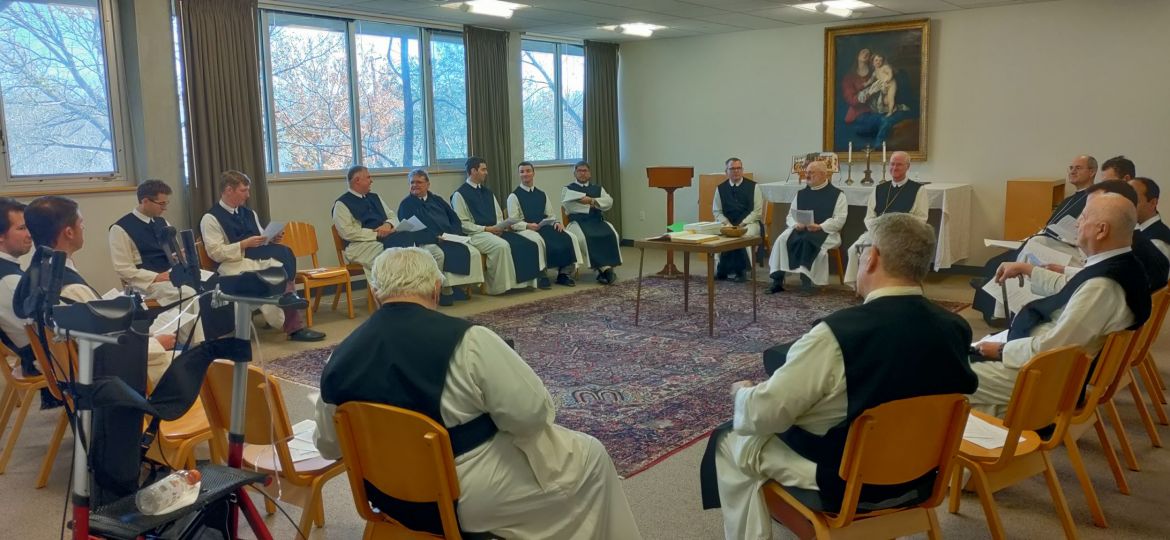
One of the most important rooms in a monastery, after the church, is the chapter room. This is the place where monks meet to do various things as a community: hear an exhortation from their abbot; listen to a spiritual reading (often a chapter from “The Rule of St. Benedict”); deliberate and vote on the important material and spiritual questions that arise in a monastery, such as who should be the abbot, whether to welcome a young monk as a permanent member of the community through solemn profession, and how best to structure their lives to promote God’s purpose.
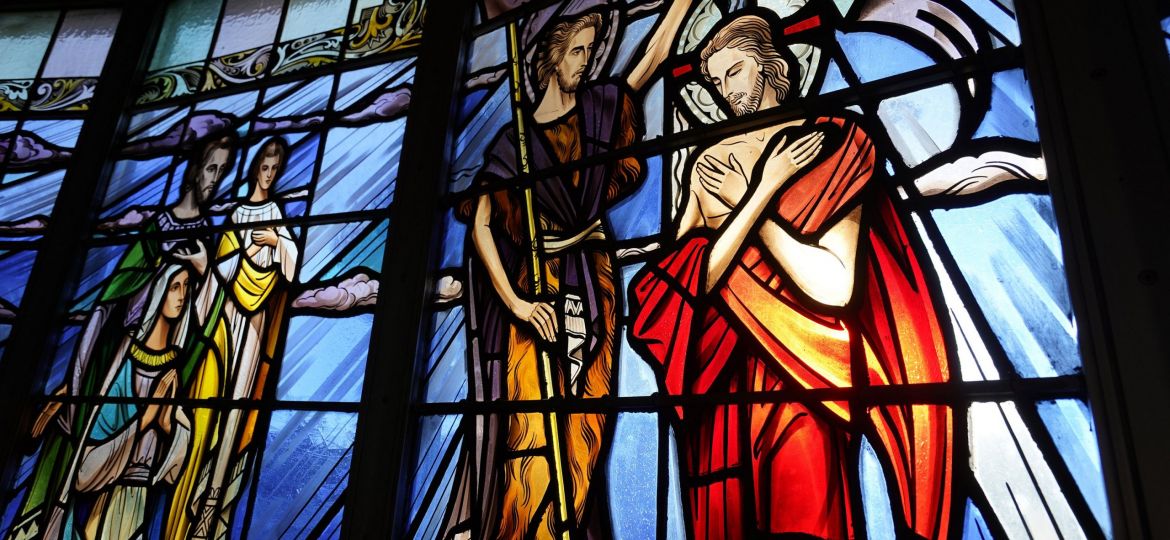
The death of John the Baptist is a chilling story for multiple reasons. It is a story about the fury of Herodias, who hated John so much for speaking the truth about marriage that she manipulated Herod, her would-be husband, into murdering him. It is also a story about the weakness of Herod, who just waited too long to do what he knew was right – to the point that doing the right thing required a sacrifice he felt incapable of making.

Technology is everywhere. There seems to be a gadget or app for everything. Computers for calculating; engines for ease; chemicals for control — is there any aspect of our lives untouched by instruments and processes?

As another election concludes, Catholics should remember we are responsible for helping to unify our country. One way to do that is to announce together the Church’s prophetic call to both parties.