
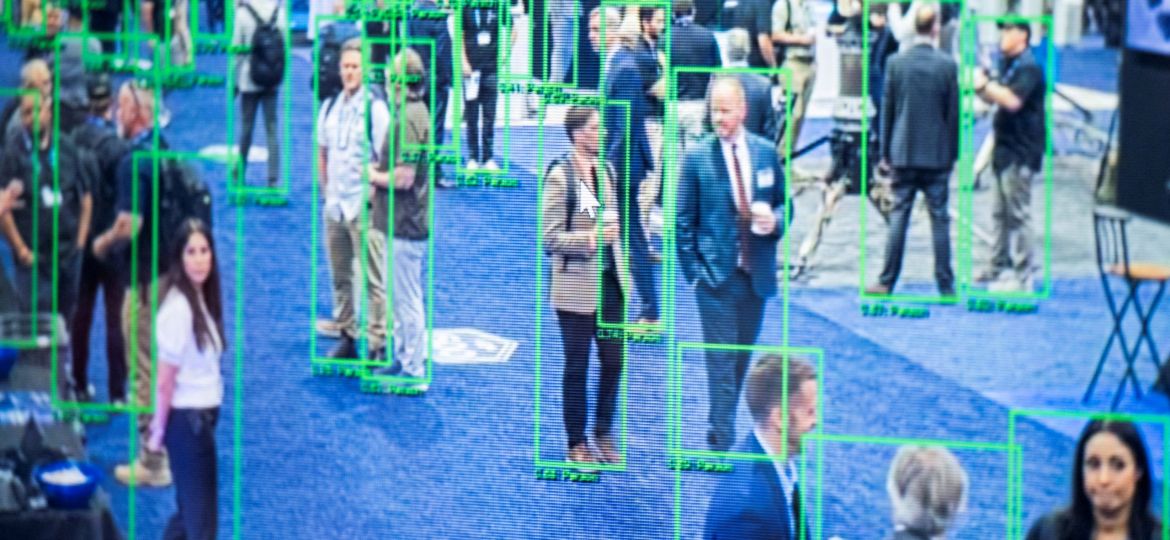
The ever-increasing presence of artificial intelligence, with AI in every sphere of daily life, is generating a mental health crisis that threatens adults and children alike, according to Father Charles Sikorsky, president of Divine Mercy University, a private Catholic graduate school of psychology and counseling in Sterling, Virginia.
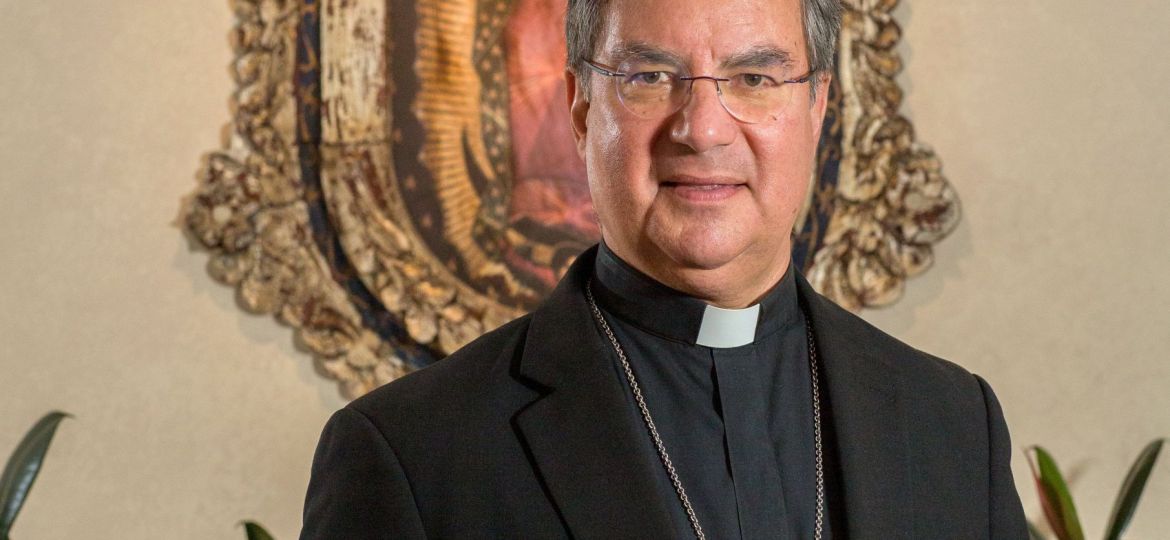
Moments after the U.S. Conference of Catholic Bishops announced the creation of its task force on artificial intelligence, OSV News spoke with the AI group’s chair, Bishop Oscar Cantú of San Jose, California.

During the coronavirus pandemic, laptops allowed Holy Family School in Dale City, Virginia, to continue educating children even when distance or illness got in the way. But as the years went by, the educators began to see the drawbacks of the 1:1 device program.
Artificial intelligence is quickly bringing about the end of the world as people know it — but Pope Leo XIV has an urgent message for everyone: Don’t run from the change AI brings; instead, engage it.
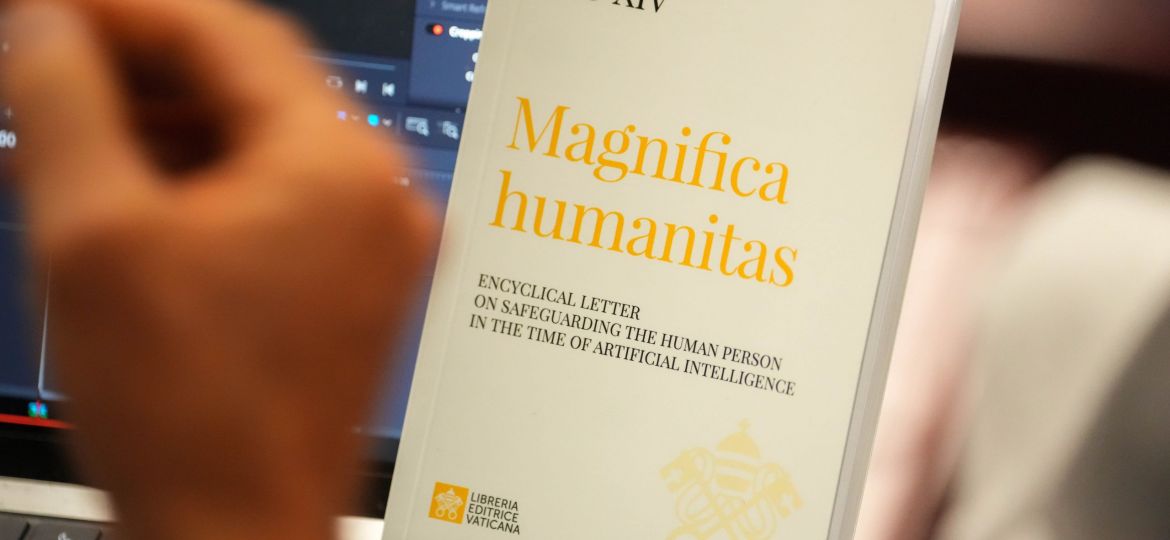
At a time when digital technologies are developing at a rapid and unpredictable pace, every single person must decide if she or he will be: a passive bystander; an unhelpful commentator; an avaricious architect of a new “Tower of Babel”; or a patient, hope-filled builder of a “civilization of love,” Pope Leo XIV said in his first encyclical, “Magnifica Humanitas.”
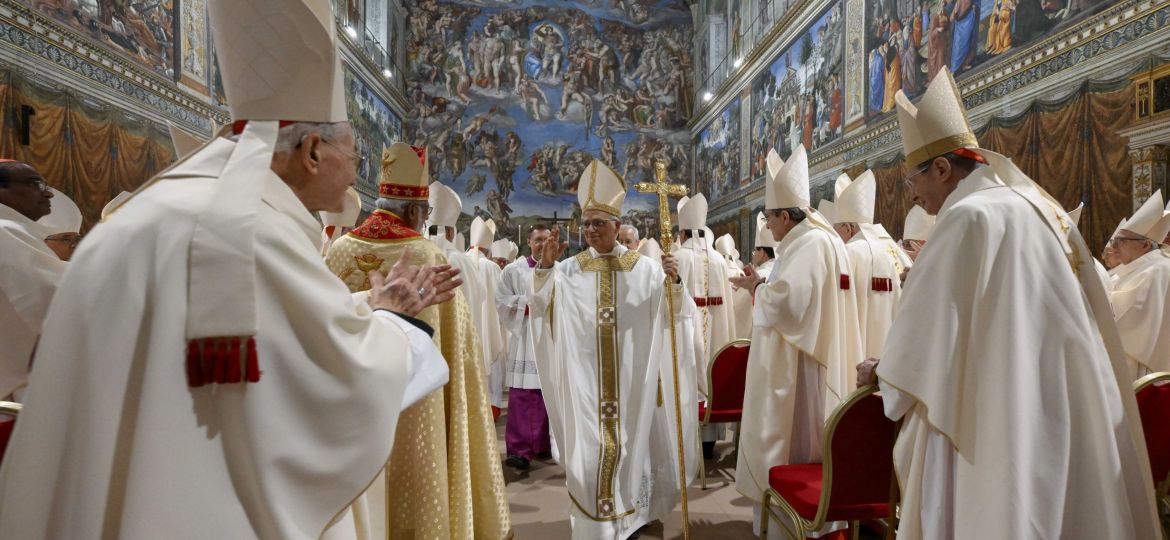
Pope Leo XIV published his landmark encyclical on artificial intelligence “Magnifica Humanitas” May 25, comparing the attempt to build an AI future that excludes God to the “Tower of Babel” and underlining the need to safeguard human dignity as it is “threatened by new forms of dehumanization.”
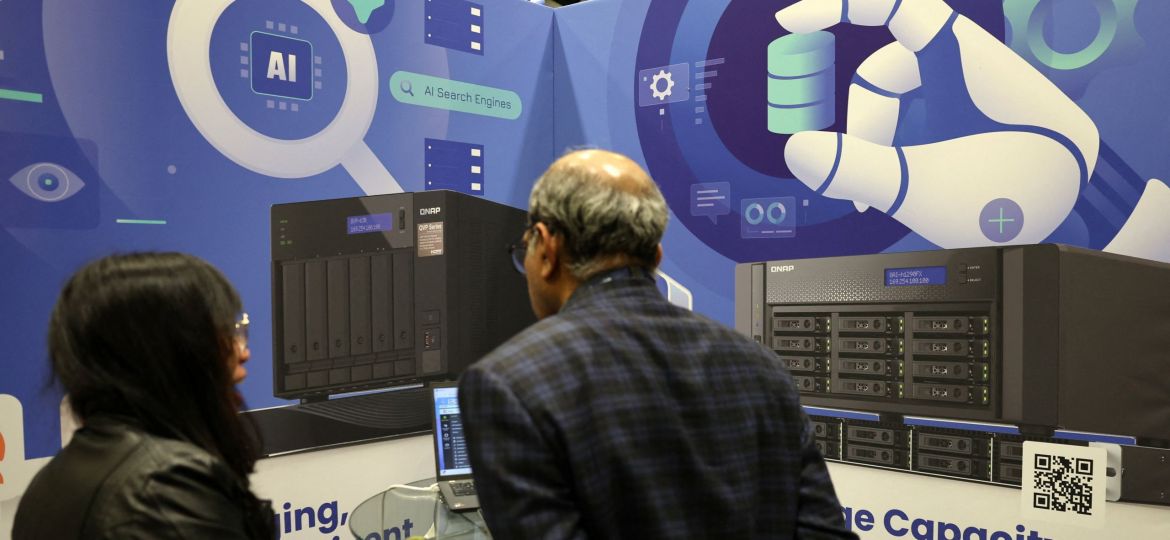
Pope Leo XIV’s first encyclical, “Magnifica Humanitas,” will be published May 25, addressing artificial intelligence and the protection of human dignity, the Vatican has announced.
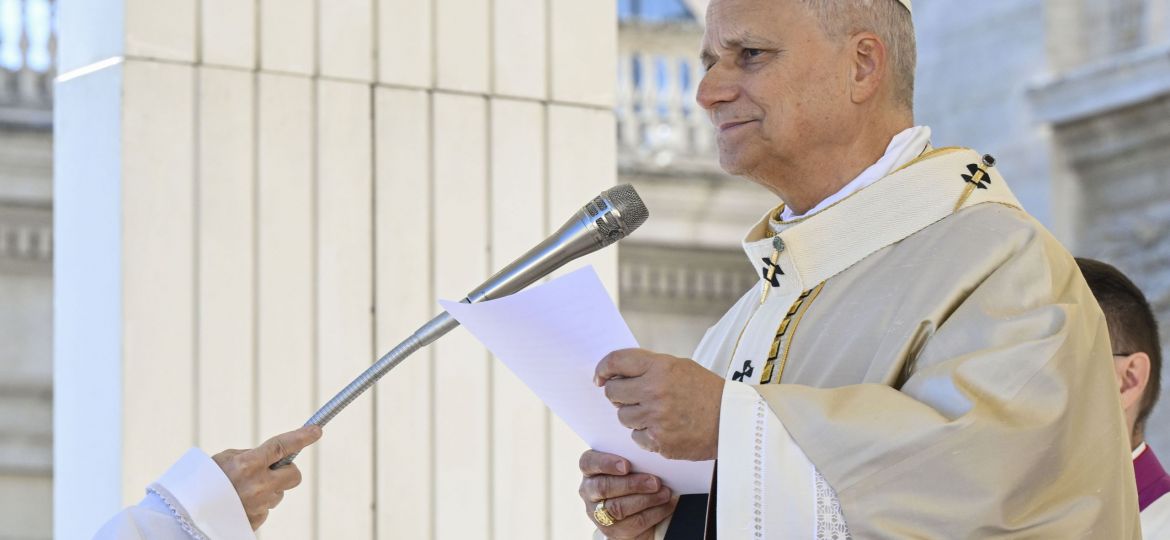
Pope Leo XIV’s encyclical on artificial intelligence is coming: Here’s what he has said on AI so far
As the world awaits Pope Leo XIV’s first encyclical on artificial intelligence, expected to be signed May 15 and released by the Vatican by the end of the month, here is a look at what the pope has said on AI since his election a year ago.
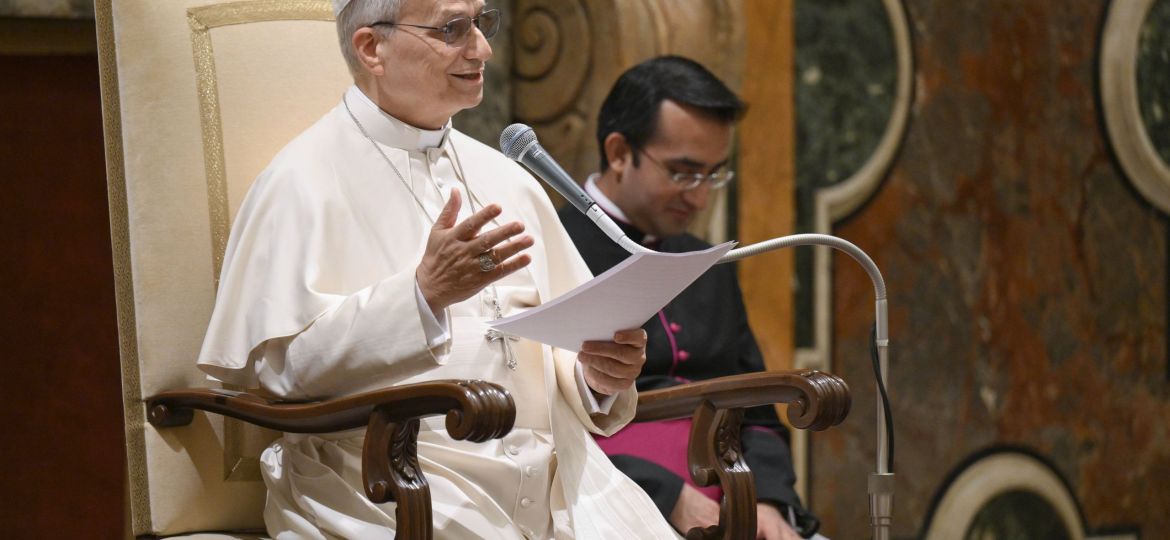
Pope Leo XIV has urged the media to show the human face of suffering amid war and to verify news so as not to recirculate “propaganda” or become a “mouthpiece for those in power.”
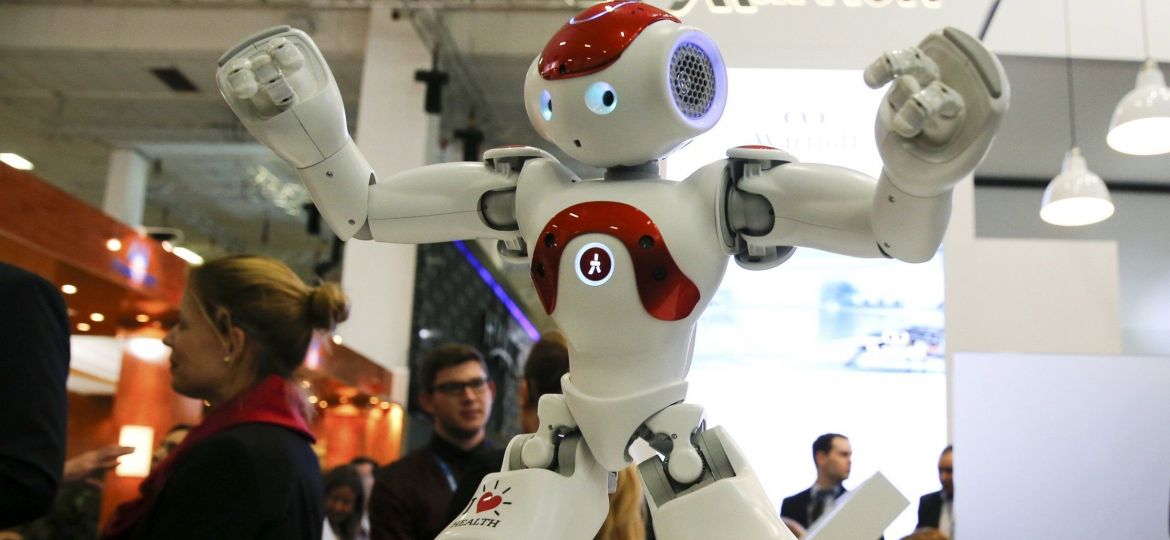
The Vatican’s International Theological Commission has warned that if humanity places total trust in technology in a “world ruled by machines,” it risks replacing the “living God” with a counterfeit “virtual God.”