
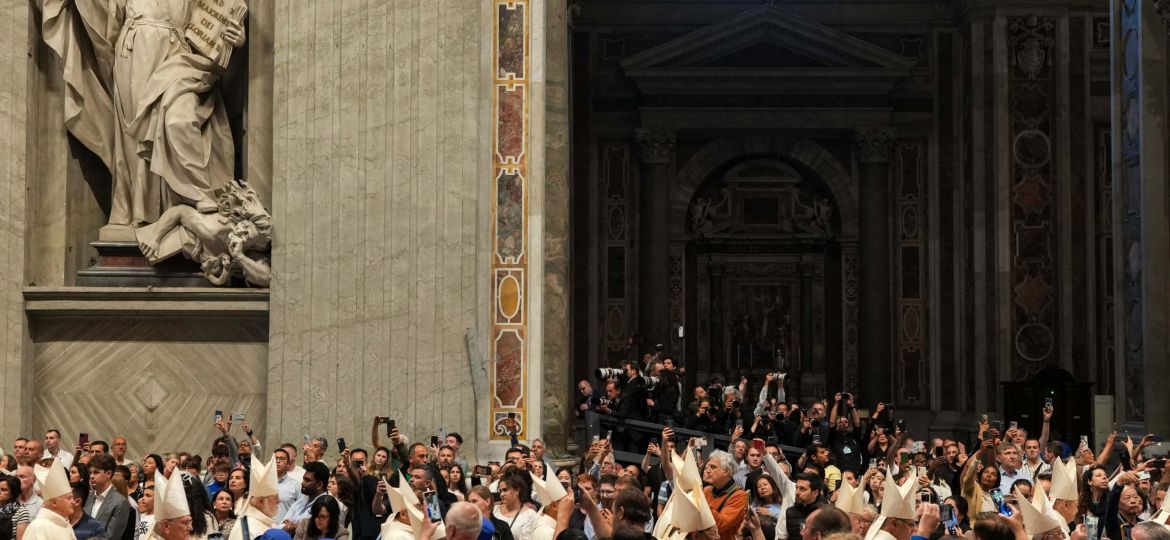
On the final day of official mourning for the death of Pope Francis, the late pontiff was remembered as someone who was determined to live out the mission entrusted to him and serve others, even when his health deteriorated.
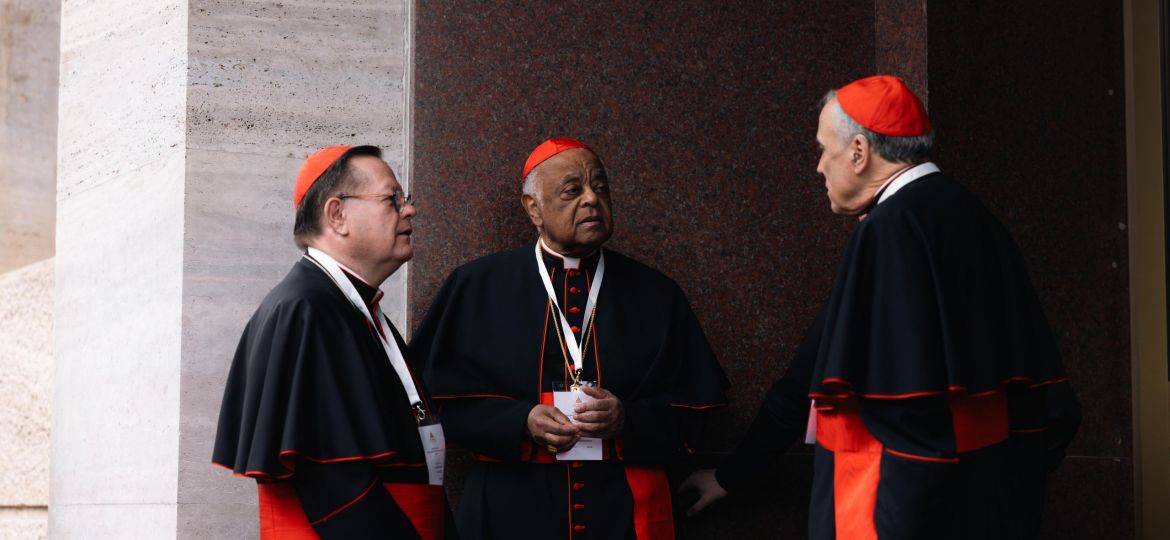
As members of the College of Cardinals met May 5, all 133 cardinals who plan to enter the conclave to elect a new pope had arrived in Rome, the Vatican press office said.
The conclave to elect a new pope, scheduled to begin May 7, is governed by two texts: a rule book and a prayer book.
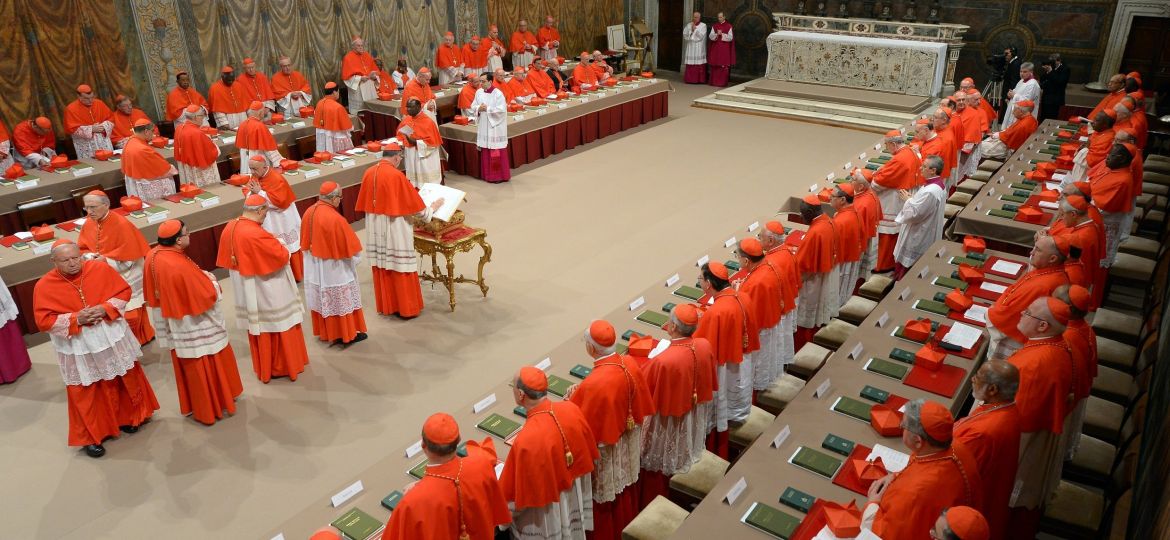
One by one, placing a right hand on the Book of Gospels, staff driving, cooking, cleaning, and caring for the cardinals who will elect a new pope will swear an oath of perpetual secrecy about the election of the 267th successor of St. Peter.
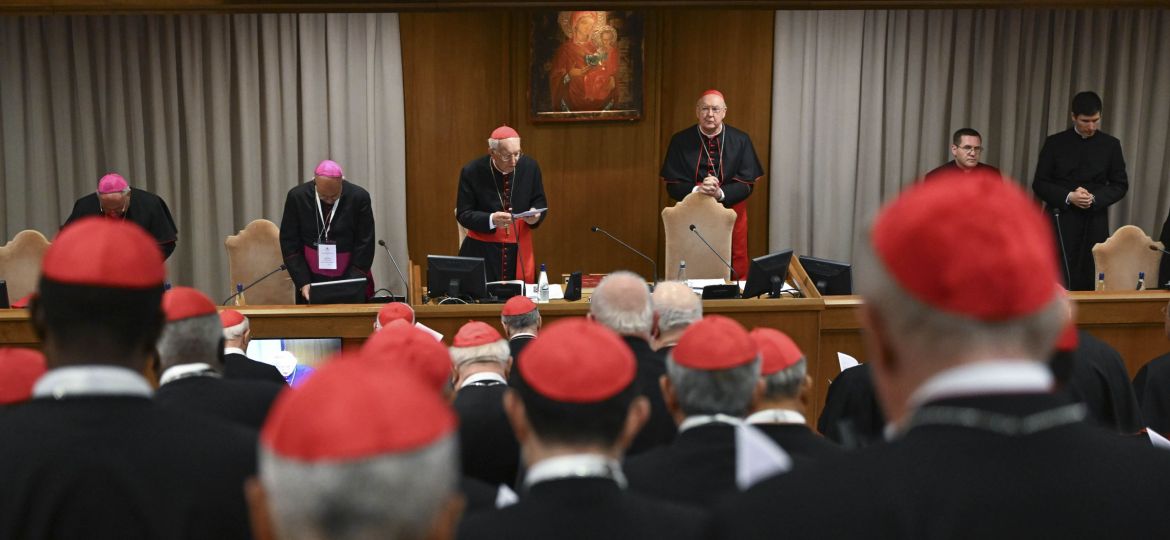
The 135 cardinals eligible to elect the next pope will enter the Sistine Chapel to begin the conclave May 7, the Vatican announced.
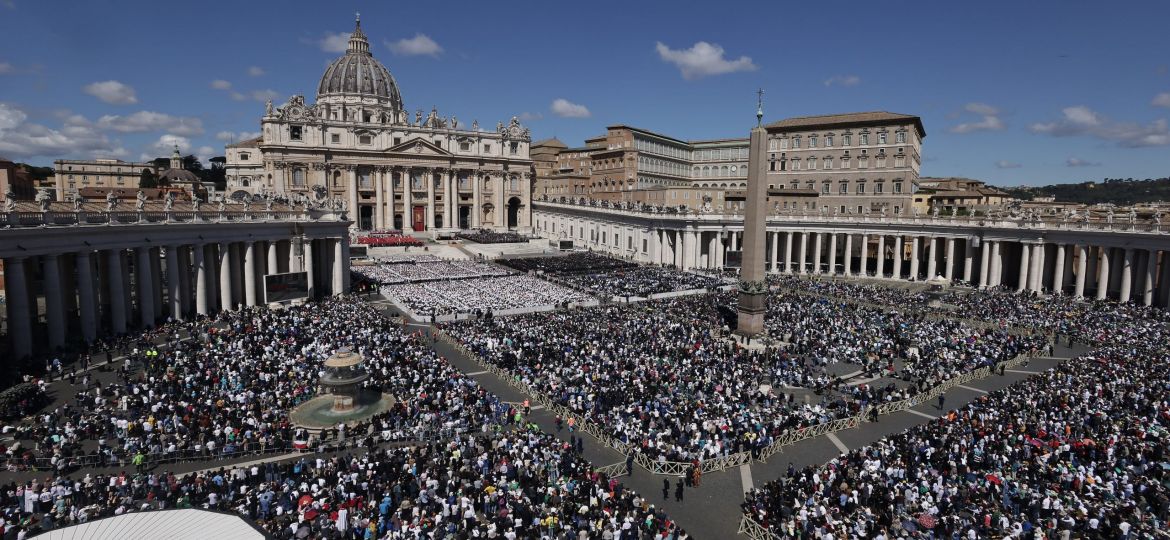
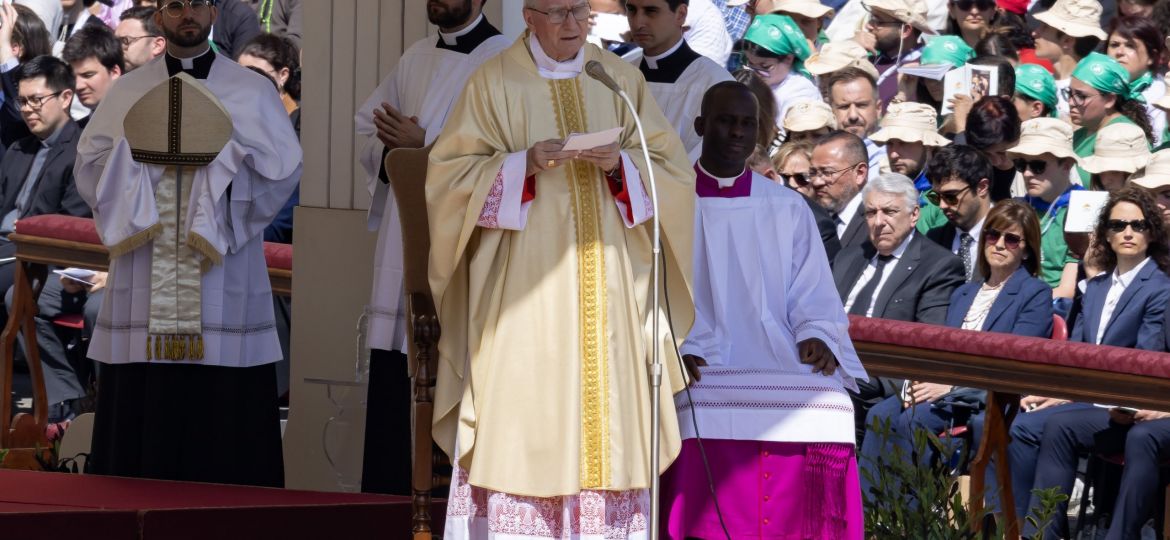
Pope Francis was “a pope among the people, with an open heart toward everyone,” said Cardinal Giovanni Battista Re, dean of the College of Cardinals, as he presided over the funeral of the pope, who died April 21 at the age of 88.
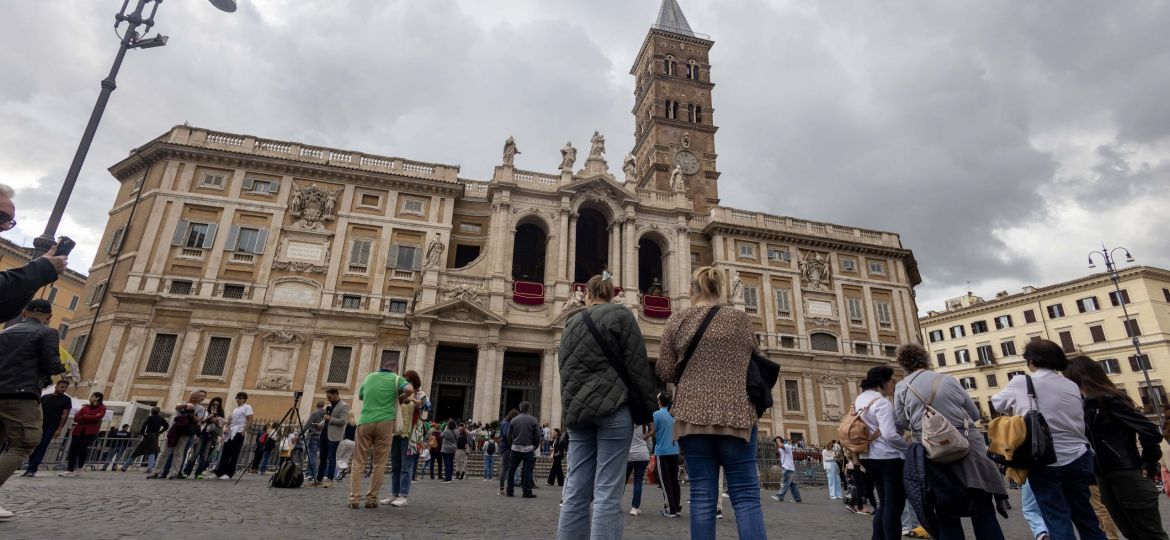
Given the late Pope Francis’ care and concern for the poor, a representative group of them has been formally invited to welcome his casket to Rome’s Basilica of St. Mary Major for burial.
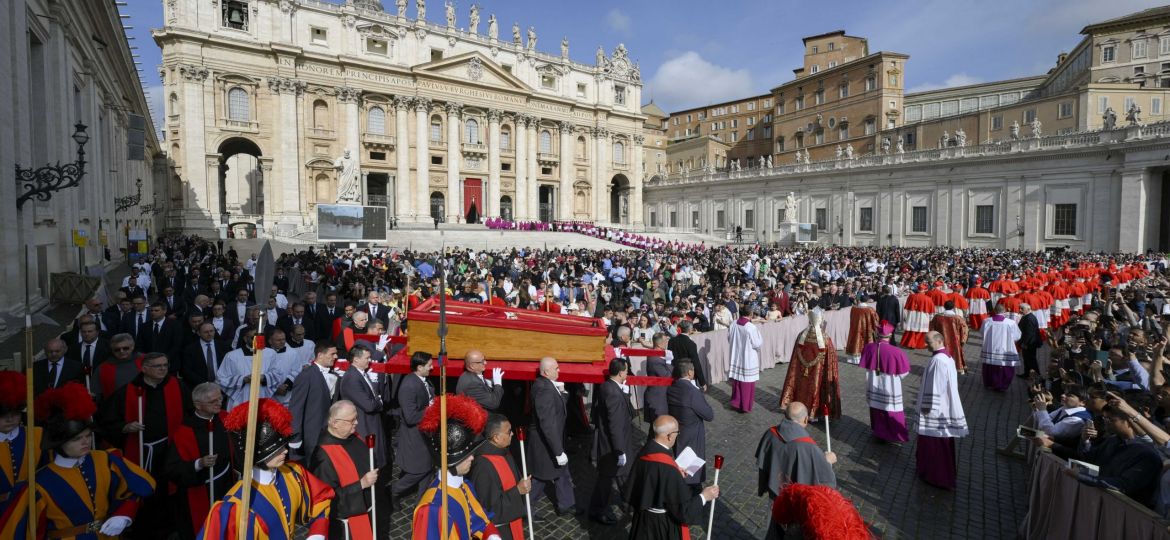
Pope Francis’ solemn funeral Mass will be broadcast and livestreamed by multiple media outlets April 26, providing several ways people can watch and participate in the funeral from around the world.
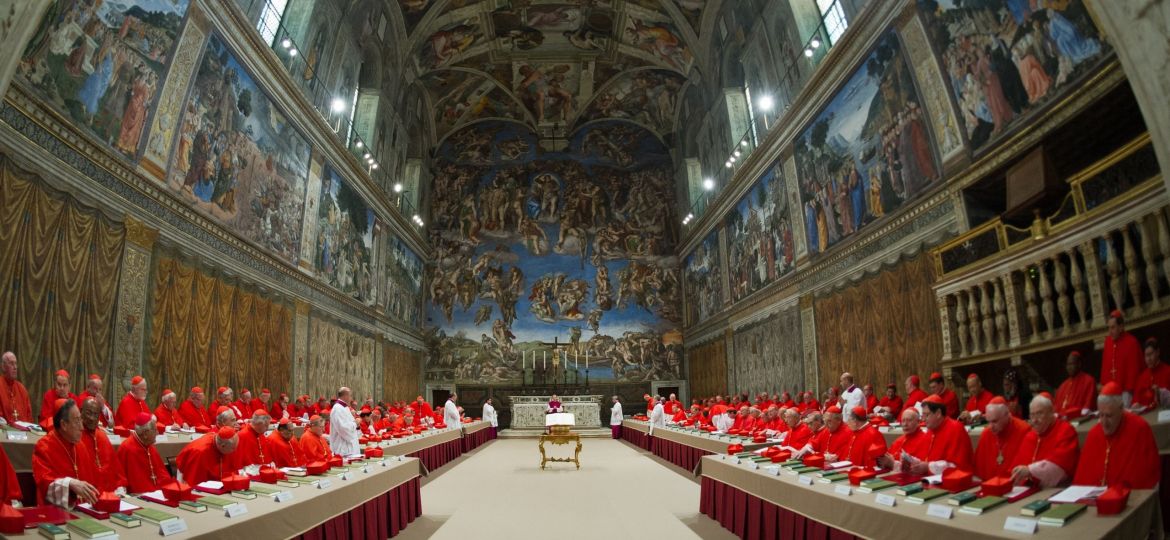
Here is an explanation of some of the terms and practices related to the time between the death of Pope Francis April 21 and the election of his successor.
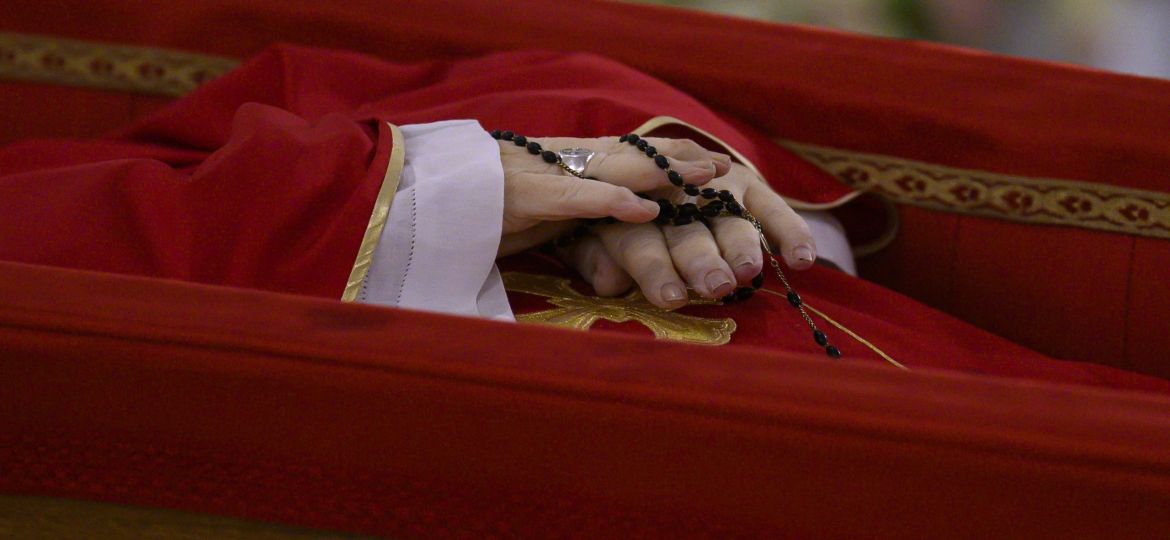
The funeral Mass of Pope Francis will be celebrated April 26 in St. Peter’s Square, the Vatican announced.