
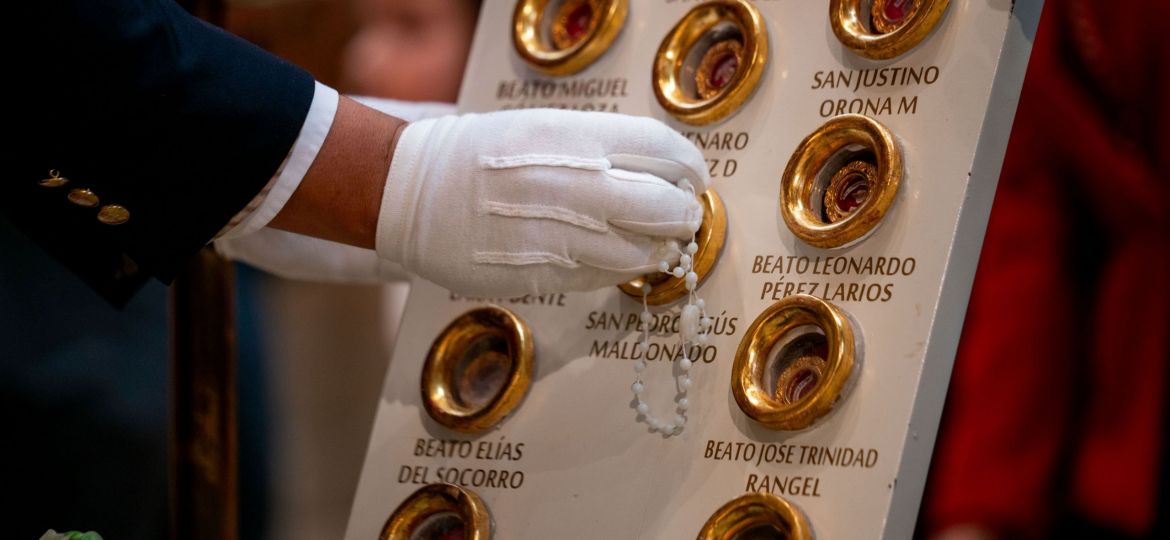
For some of the people in the pews at the Cathedral of Our Lady of the Angels, the visit of 36 relics belonging to martyrs from Mexico’s Cristero War was about more than history.
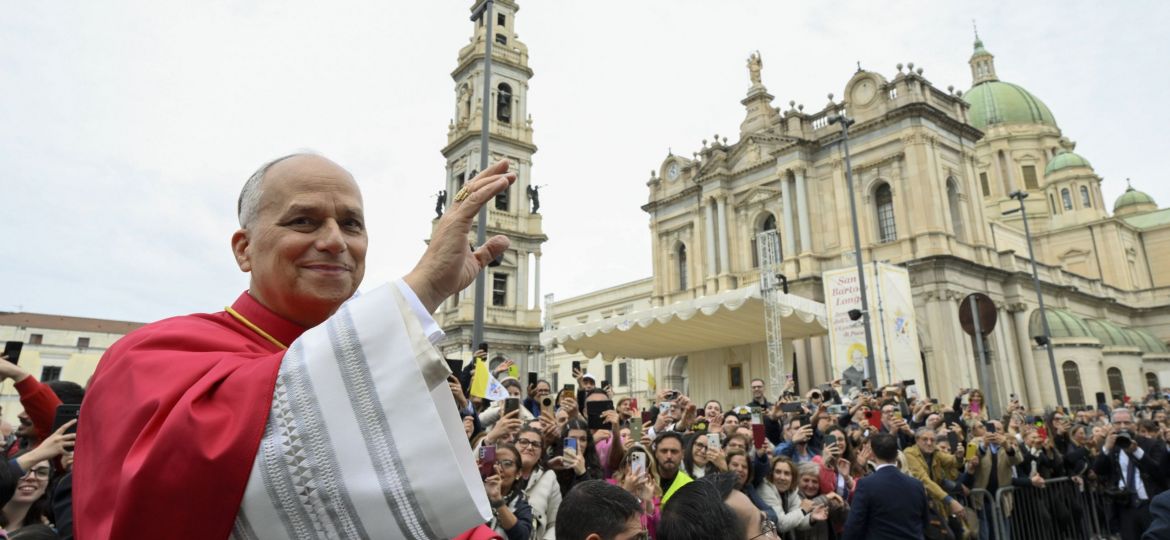
Pope Leo XIV marked the anniversary of his May 8 election by making a pilgrimage to celebrate Mass at the Sanctuary of Our Lady of the Holy Rosary in Pompeii, one of Italy’s most beloved Marian shrines, placing his pontificate under the protection of the Virgin Mary.
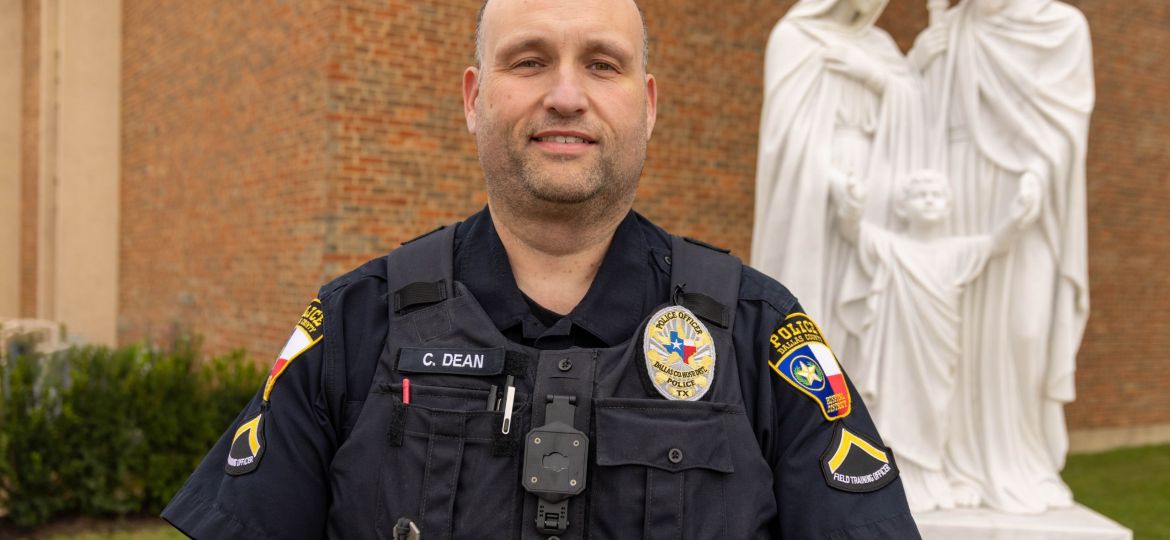
Everybody in the Church undertakes their own journey into the Catholic faith. Chadwick Dean’s just took 23 years.
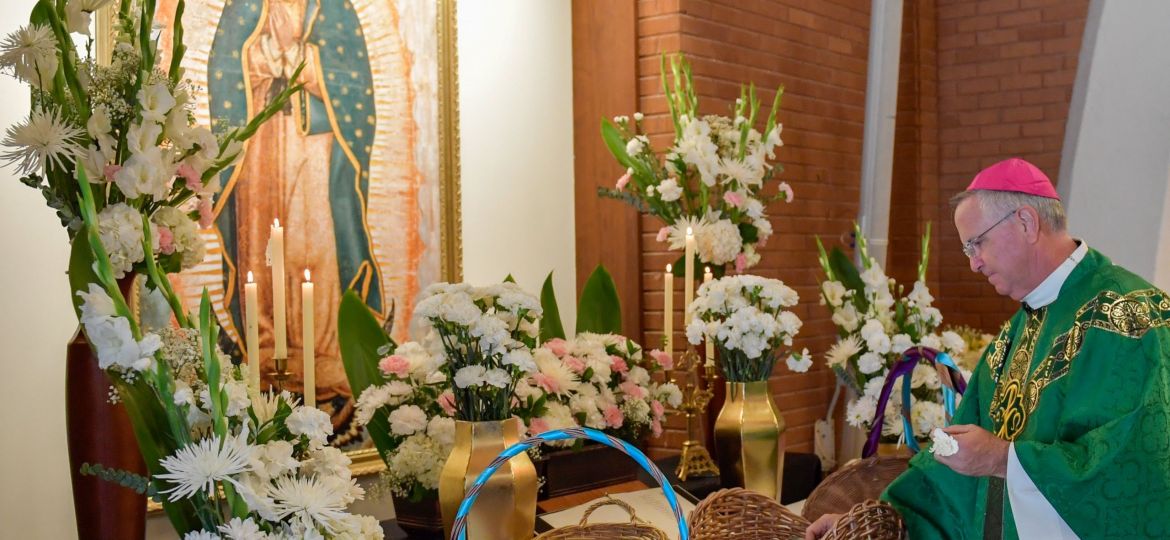
Bishop John P. Dolan of Phoenix still remembers when clergy and, in particular, a religious sister walked with him after his brother died by suicide.
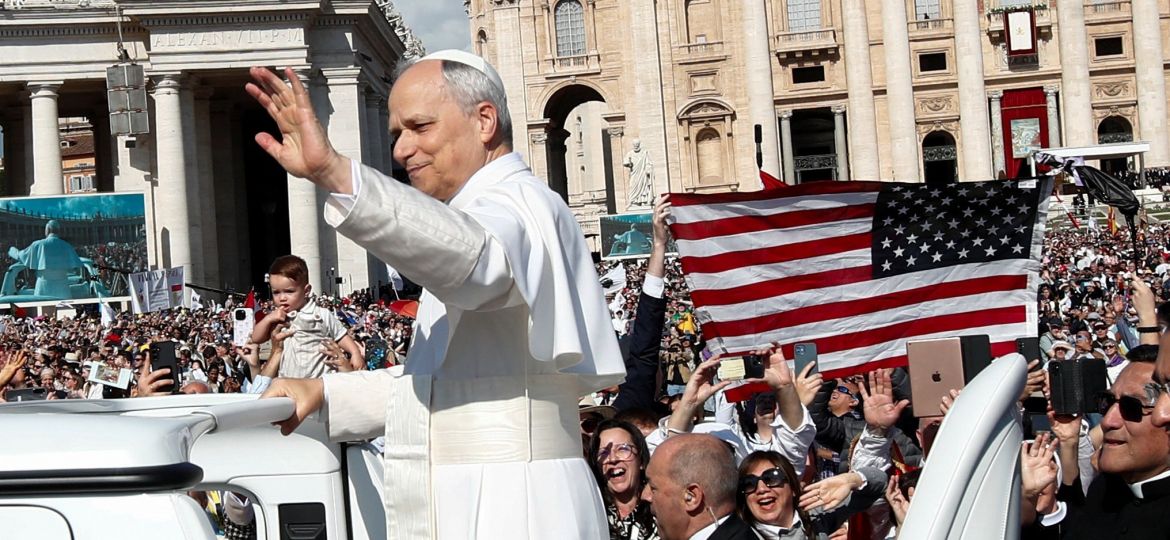
When Robert Francis Prevost stepped onto the loggia of St. Peter’s Basilica one year ago May 8, he carried with him a piece of paper on which he had carefully written the first words he would utter as Pope Leo XIV. His first speech was, in ways that would only become clear over the year that followed, a preview of what was to come.
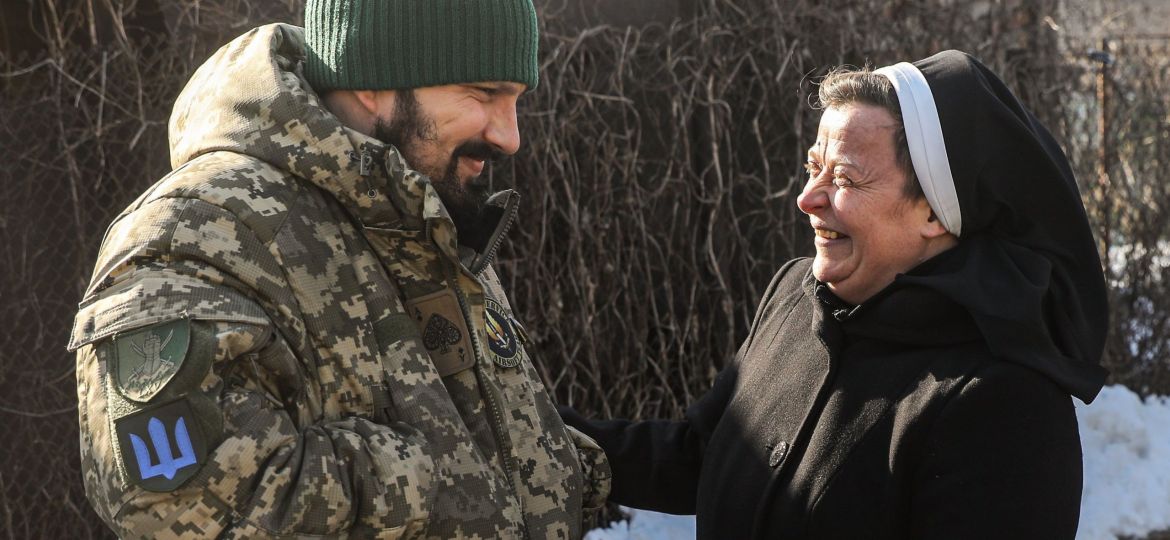
Several Catholic aid organizations are affirming they remain “united in hope” for Ukraine, as Russia’s war on that nation relentlessly rages on.
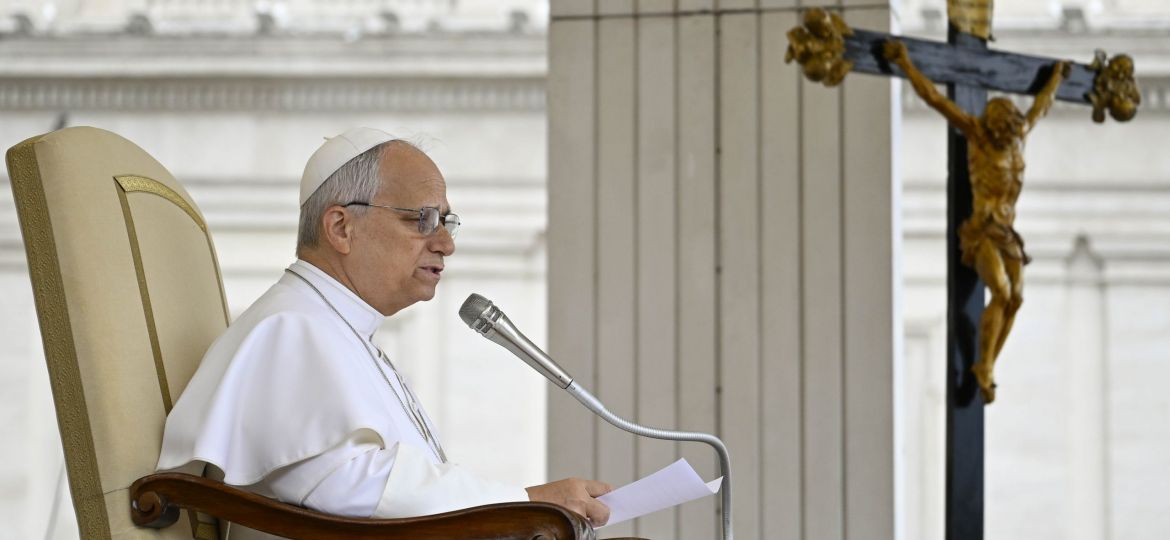
The Catholic Church is the guardian of hope, whose members are called to speak clearly against all evil and in defense of human life, Pope Leo XIV said.
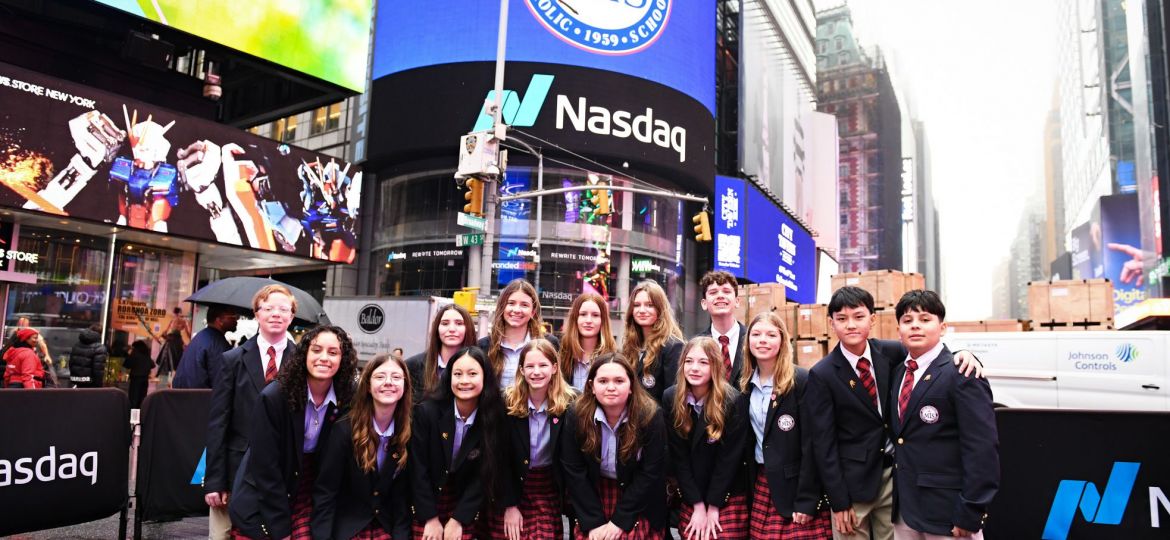
In the heart of New York City, students from Mary Immaculate Catholic School’s Motter Business Program stood in the bustling financial capital of the world, looking in wonder at their school’s logo lit brightly in Times Square, during a school trip to the city March 15-19.
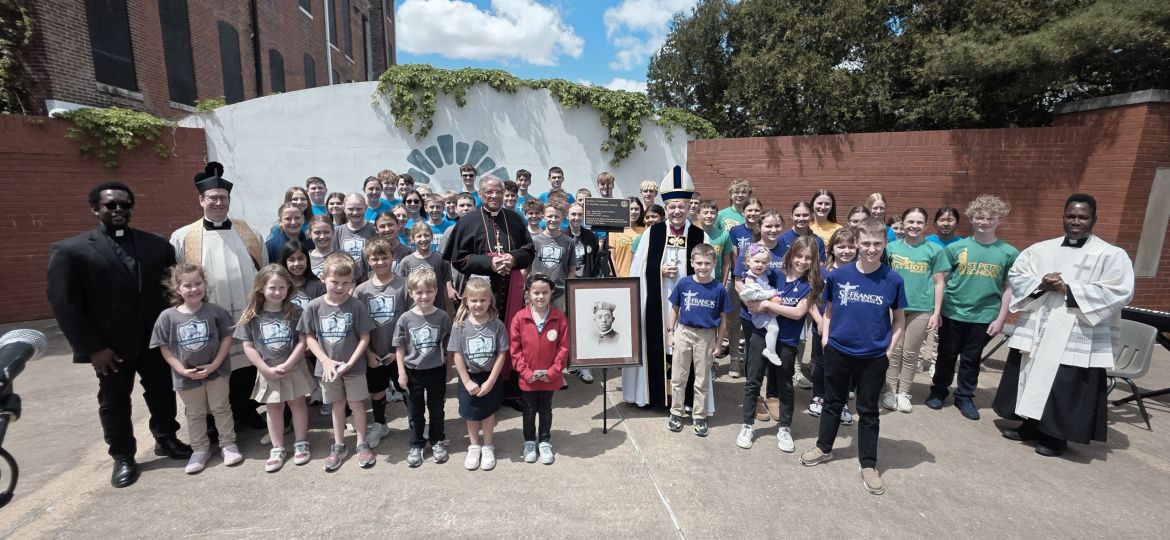
The first publicly recognized Black Catholic priest in the United States — who has already had 40 potential miracles through his intercession investigated — is now getting his own national shrine in western Illinois where he grew up and once served.
The Vatican Dicastery for Promoting Integral Human Development and the Dicastery for Laity, Family, and Life have jointly published a new document offering guidelines for families related to the care for creation and human life.