
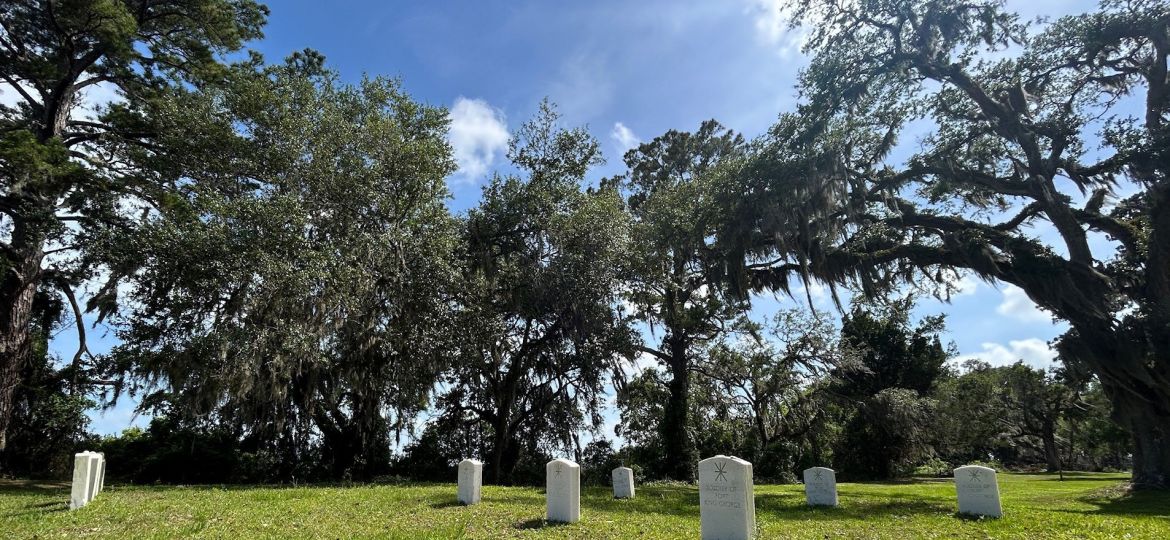
In late October, a little more than a month after Archbishop Fulton Sheen is to become “blessed,” the sixth beatification on American soil will take place — this time of five Franciscan martyrs who died in 1597 in the Georgia seedbed of American Catholicism.
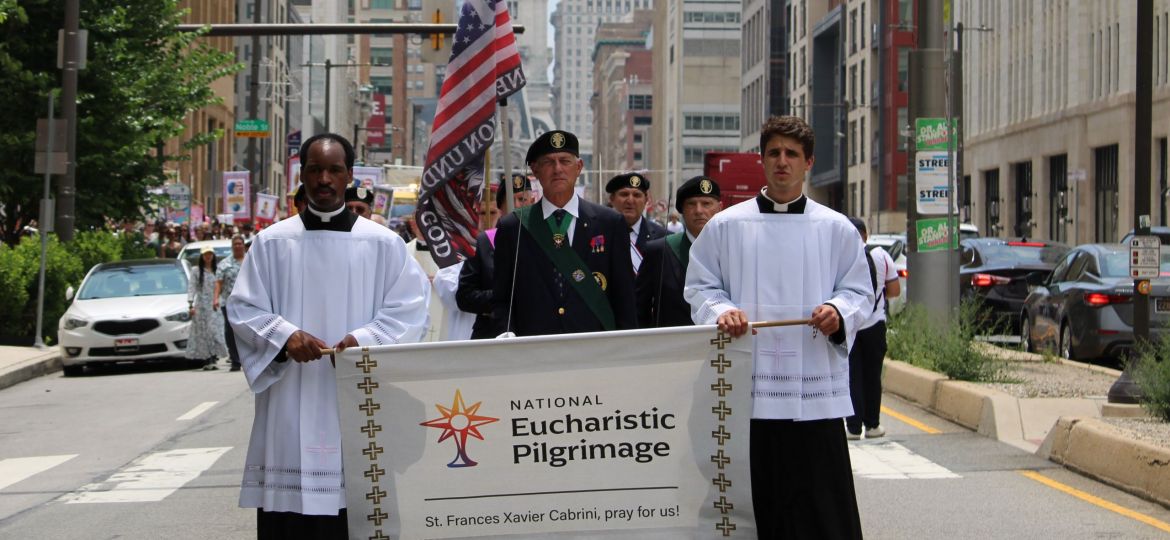
As the 2026 National Eucharistic Pilgrimage concluded amid the U.S.’s 250th anniversary, “the journey continues,” Archbishop Nelson J. Pérez of Philadelphia said.
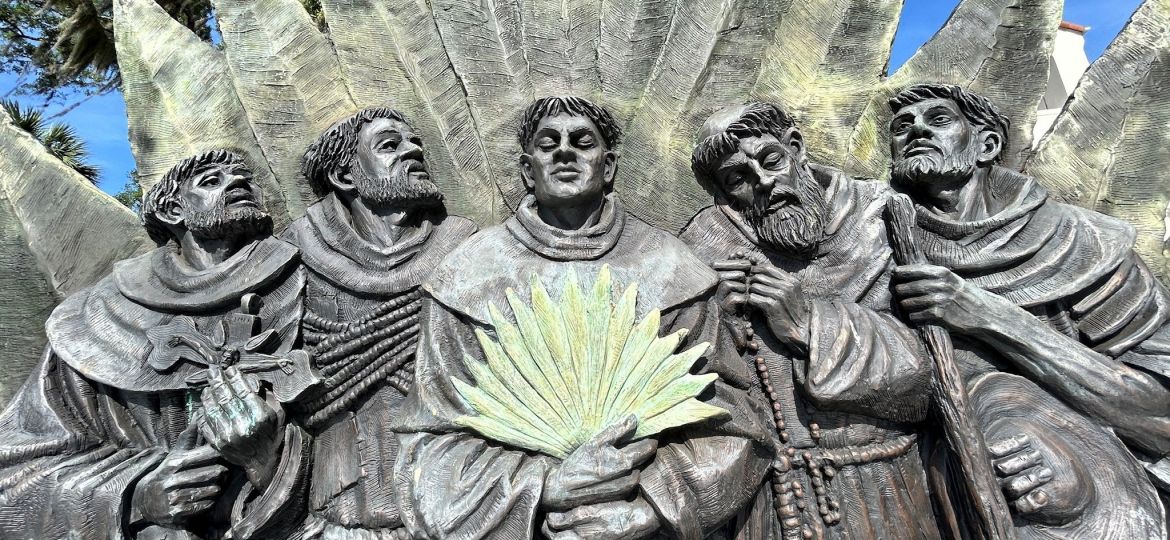
As the National Eucharistic Pilgrimage continued to make its way up the East Coast, it took a day to encounter Friar Pedro de Corpa and Companions, the five Franciscan friars — also known as the Georgia Martyrs — who will be beatified Oct. 31 in Savannah, Georgia.
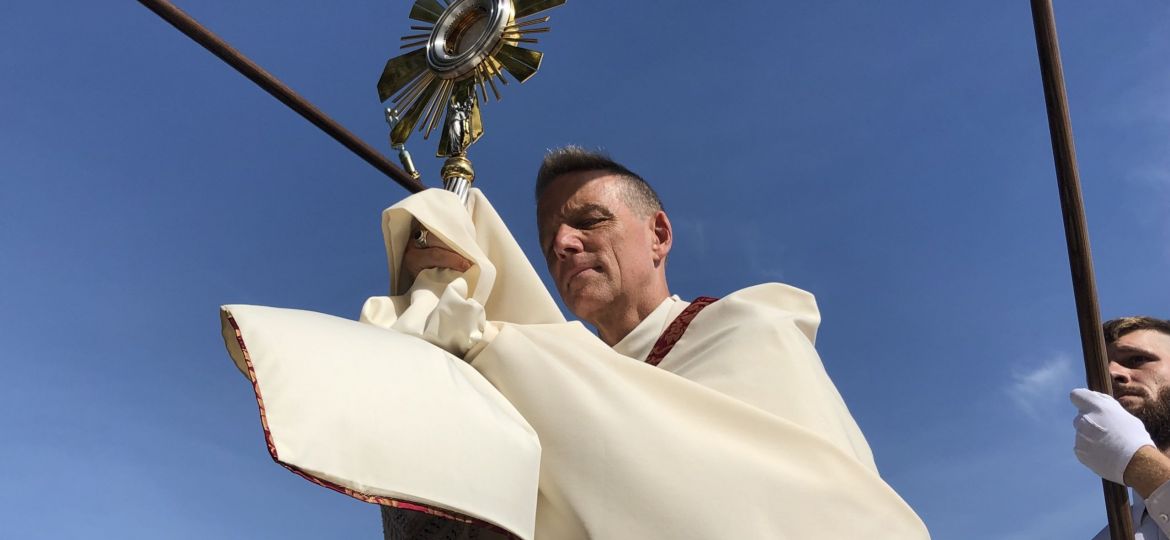
Under clear blue skies and with a warm wind blowing, Jesus in the Eucharist spent part of Memorial Day on the water traveling from Florida to Georgia as part of the second day of this summer’s National Eucharistic Pilgrimage.
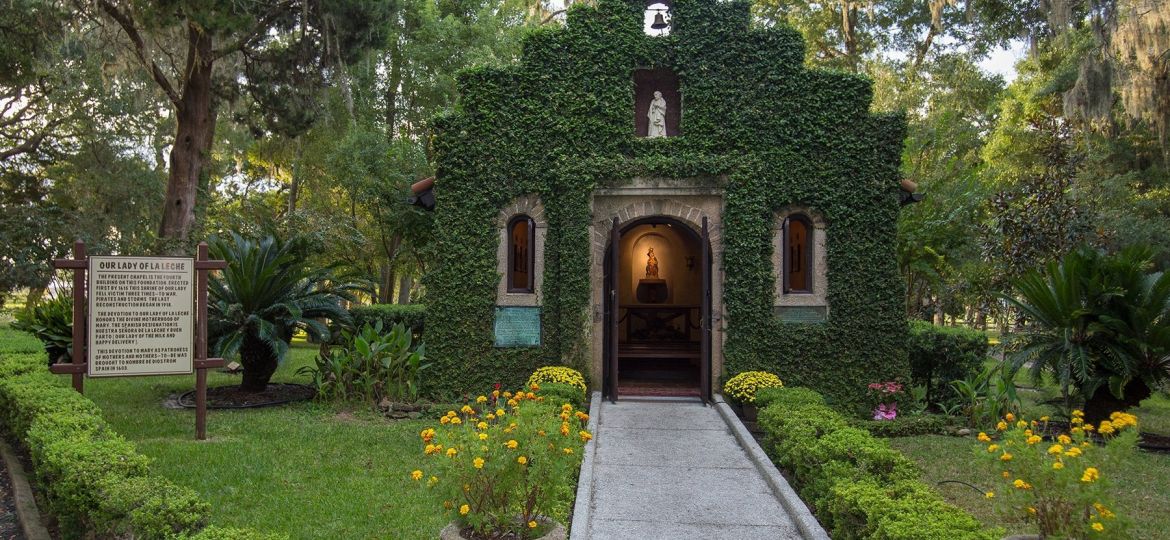
Before the Declaration of Independence was boldly signed in 1776, before pilgrims feasted at what became popularly regarded as the “First Thanksgiving” in 1621, there was St. Augustine, Florida.
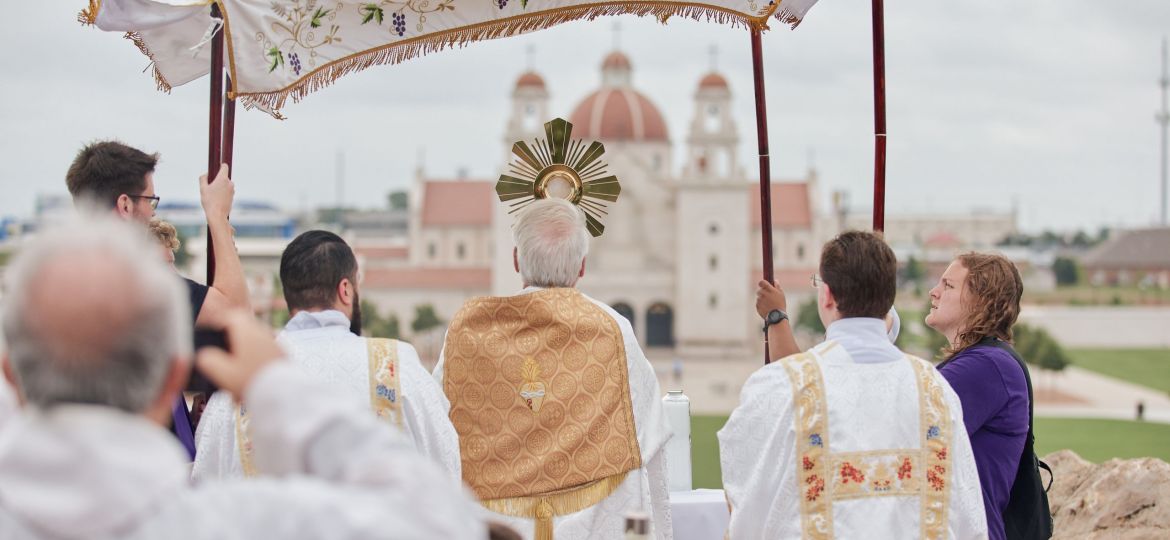
Registration for public events during the 2026 National Eucharistic Pilgrimage opened March 18, revealing abundant opportunities for Catholics to join the nine “perpetual pilgrims” traveling the East Coast route from Florida to Maine that culminates in an Independence Day weekend celebration in Philadelphia.
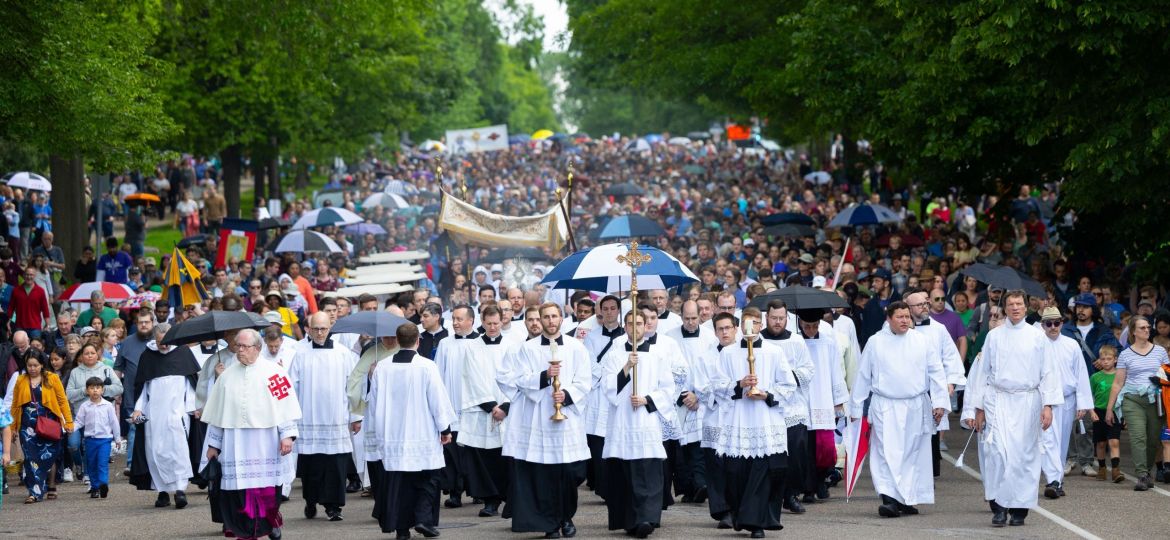
Nine young adults have been selected as “perpetual pilgrims” to travel with the Eucharist along the East Coast this summer in the third National Eucharistic Pilgrimage. The pilgrims — five men and four women — will participate in the pilgrimage’s full route, which begins May 24 in Florida and reaches Maine before ending in Philadelphia July 5 for U.S. semiquincentennial celebrations.
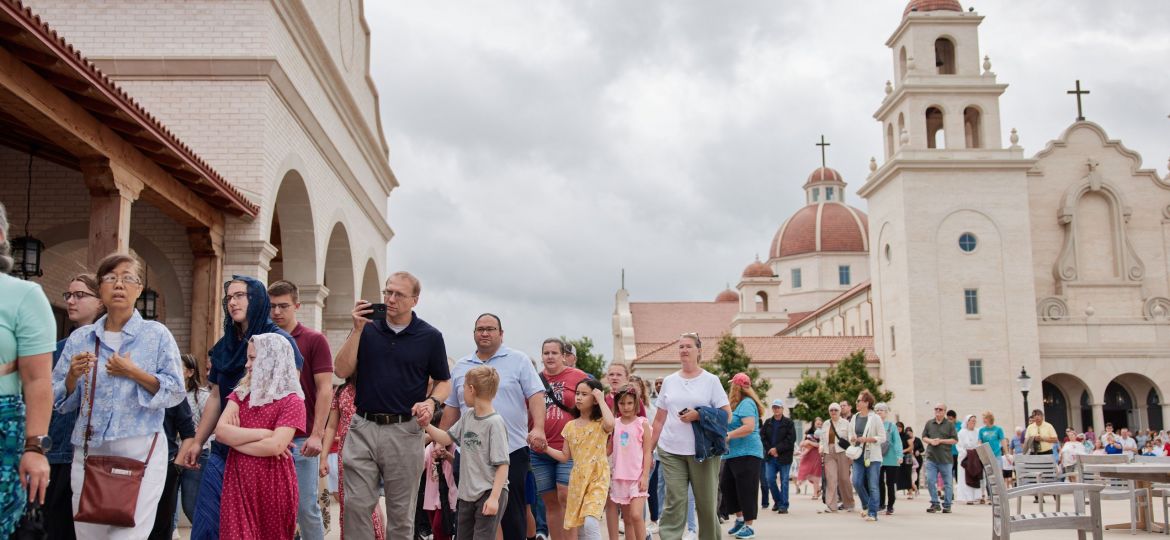
The National Eucharistic Pilgrimage is back for 2026 with a special route that will travel the East Coast from St. Augustine, Florida, to Portland, Maine, ending in Philadelphia, organizers announced Jan. 8.

Kai Weiss is spending part of the summer in Krakow, Poland, helping college-age students immerse themselves in the thought and culture of St. John Paul II. It is a role in which he would not have imagined himself prior to summer 2024, when he was a “perpetual pilgrim” on the inaugural National Eucharistic Pilgrimage.
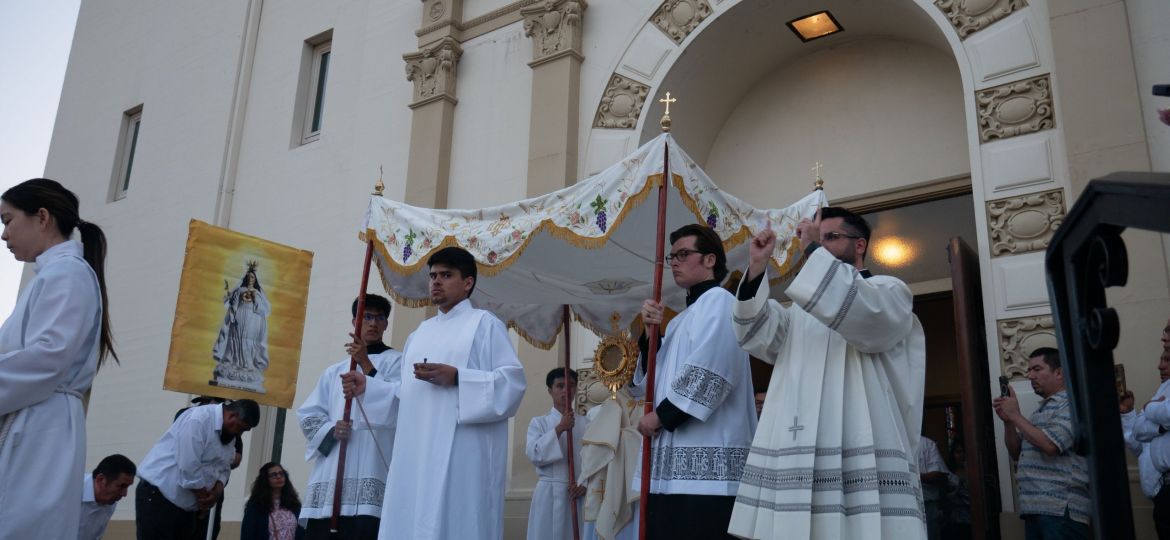
In the midst of what felt like death and destruction in fire-ravaged Altadena, a spiritual sign of life appeared the evening of Friday, June 20: a monstrance containing the Eucharist carried through the streets in one of the final eucharistic processions of the 2025 National Eucharistic Pilgrimage.