
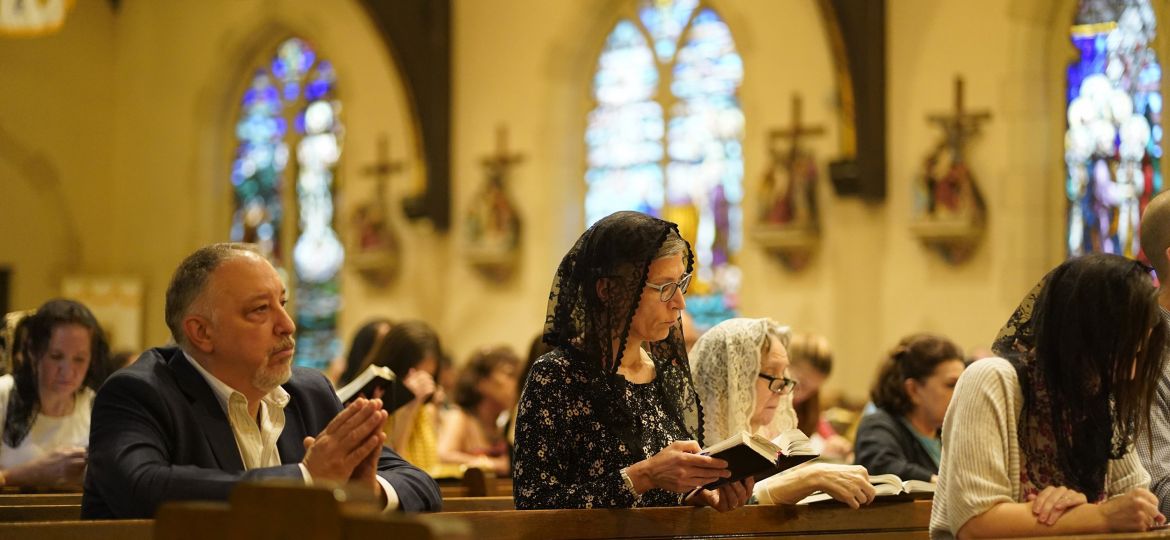
We hear and say phrases like people of faith, Christian faith, live by faith, etc., and there are several ways of talking about and describing faith.
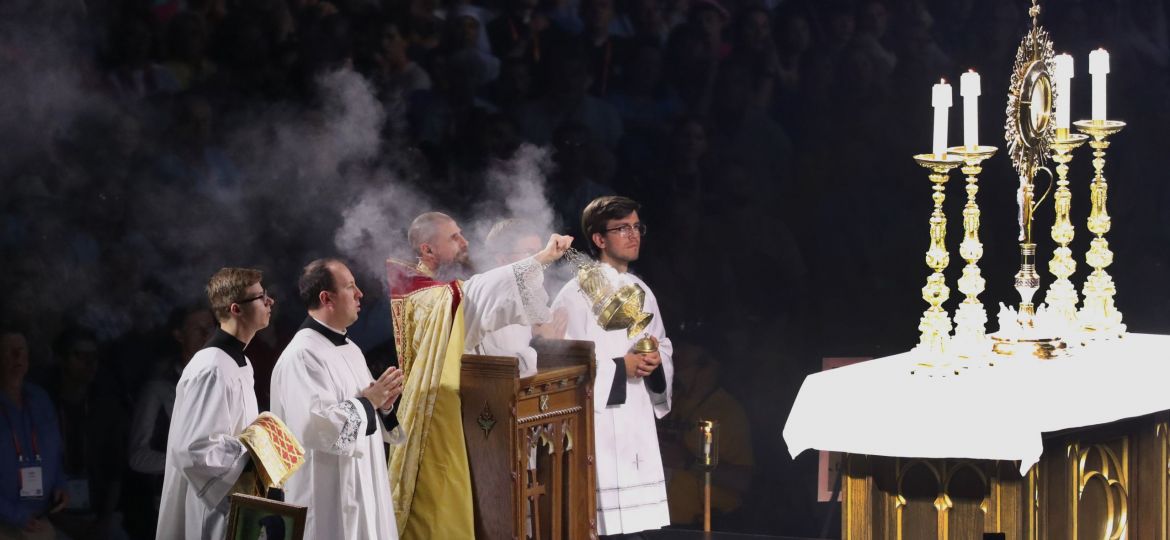
I am deeply moved by the faith of the people who come, young and old and every age between, and by the great generosity of Jesus, who meets them there with a gift for each one personally, fitted to their heart and to their life situation in that exact moment.
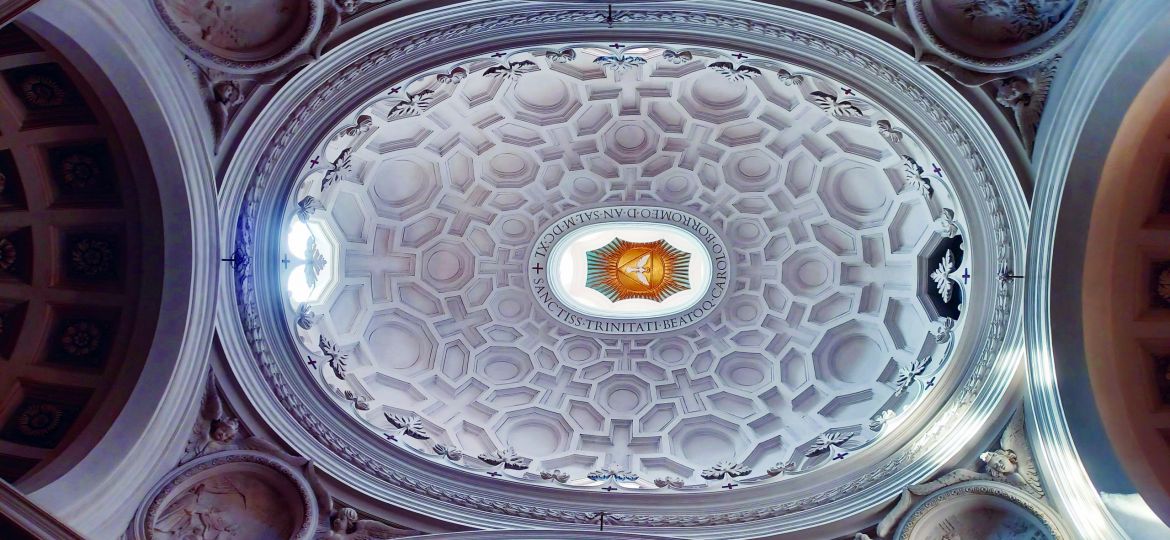
I was in an allegorizing mood last week when I visited the church of San Carlo alle Quattro Fontane in the heart of Rome. Designed by the 17th century architect Francesco Borromini, San Carlo is a jewel of astonishing beauty on the corner of a busy intersection.
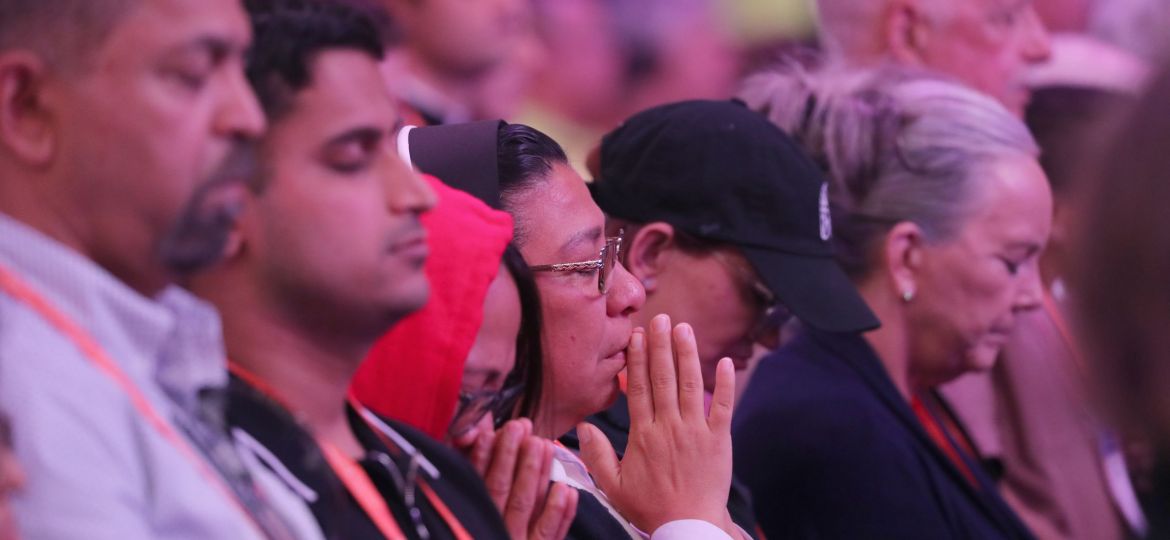
It is a very moving experience to be in a stadium with 50,000 other Catholics, many from the Diocese of Dallas, including at least four priests (Fathers Edwin Leonard, Michael Likoudis, Kevin Wilwert, and Russ Mower) and to hear the familiar voices and instruments of David and Lauren Moore for the opening event on Wednesday night.
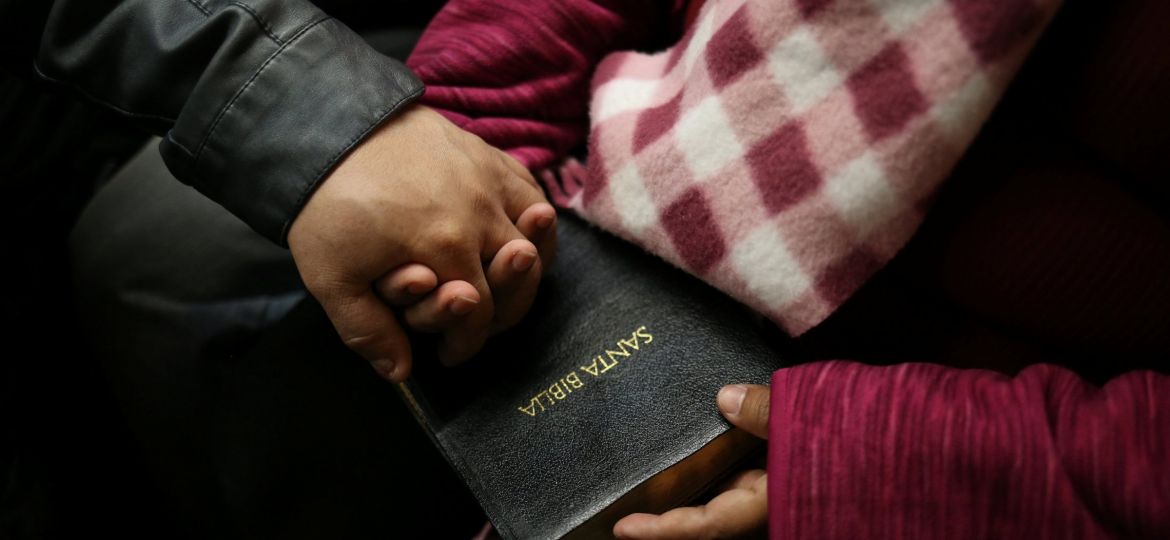
It can be difficult to cultivate a regular habit of reading Scripture. Its literary world can seem so strange to us that we feel as though it would take forever before we could even just understand what is going on, let alone find spiritual consolation and inspiration. If you feel like that, know you’re not alone, and know there is much that can help.
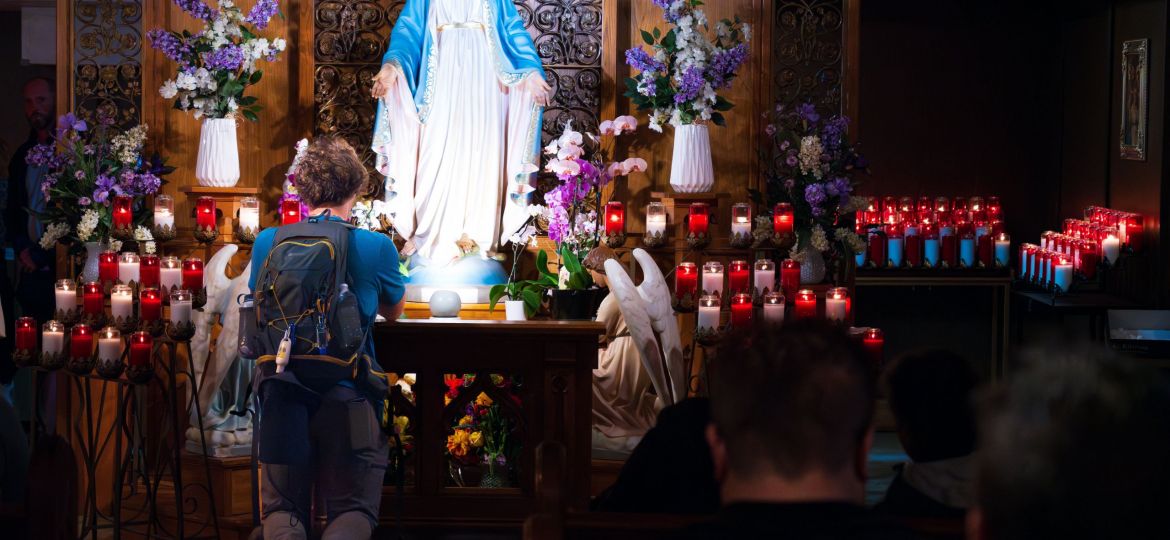
As people of faith, we are all on a journey toward God. The reason we go to church or call ourselves Christians is our desire to be with God when our earthly journey is over. Our faith teaches us that there is life after death and that we shall live in eternity with God if we keep His commandments and remain in His ways. Our love for God draws us toward Him and fuels our desire to be with Him. Although our human imperfections make it difficult to remain faithful to God’s ways all the time, God’s mercies sustain our hope and give us reason to keep trying to stay in God’s paths regardless of our shortcomings.
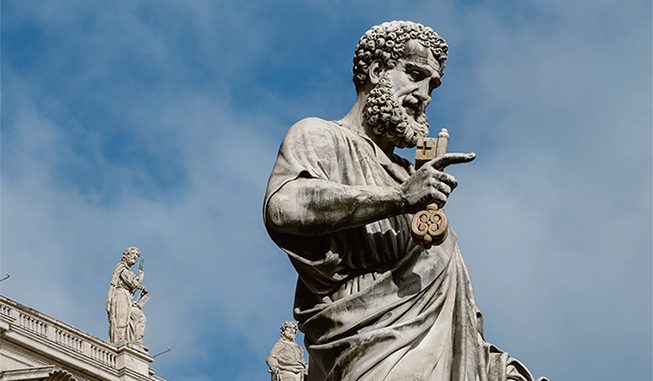
After celebrating Mass recently for my University of Dallas students in a chapel just a few feet from the bones of St. Peter, I mused on what the fisherman would think of the overwhelming grandeur of the basilica that houses his mortal remains. Many would suspect that his simple Galilean sensibilities would be repulsed by the opulence and gilded pomp of the place, and that thought did cross my mind; but that solution strikes me as too facile and puritanical. My hunch is that Peter would consider the final resting place of his bones, the rock on which this church and the Church are built, to be a fitting reward, a capstone for his efforts to love the Lord.
In 2008 I arrived in Minnesota, where I lived for two years. Coming to Minnesota directly from Nigeria was a huge change. Of course, anyone who knows both Minnesota and Nigeria will know what I’m talking about — it’s the weather! Nigeria is warm — I mean hot — most of the year, with dry heat most of the time. I was born and raised there, so I love it, regardless, and I’m used to it and it’s no surprise. (But I have to admit that I do still complain when it gets too hot.)
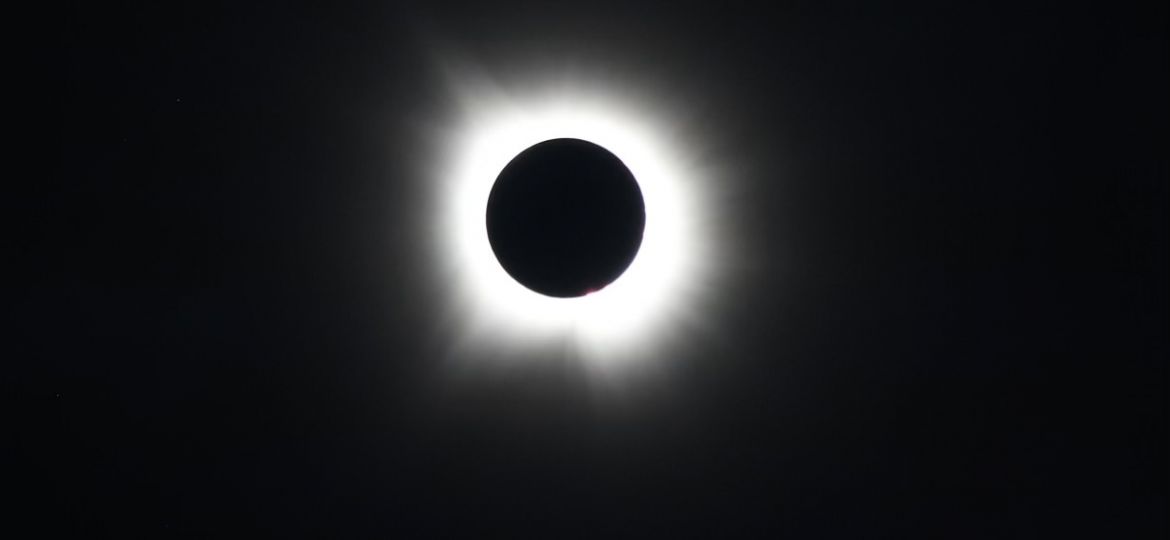
At Cistercian, we had an incredible view of the total eclipse on April 8. After weeks of wondering whether the weather forecast would prove true – total cloud cover and even rain – we excitedly noticed the sun piercing through the clouds just as the school was processing to the abbey to celebrate the Solemnity of the Annunciation. Clouds continued to diminish during Mass, and afterward we walked with gratitude to the football field to await totality.
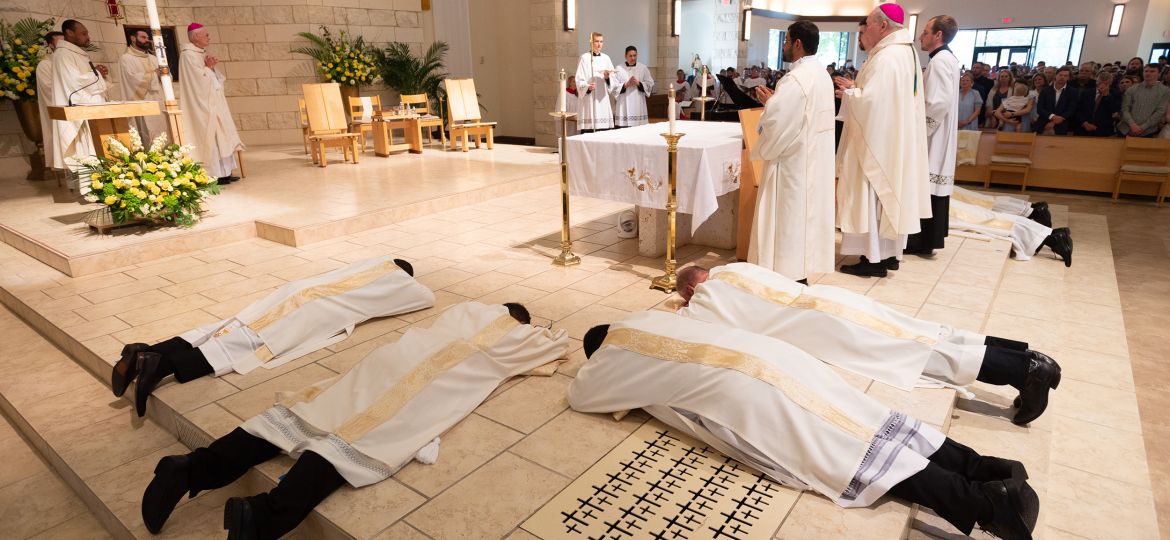
There is a tendency to picture one’s discernment, whether the lifelong vocation question or a smaller decision, as a tense and perilous choice in an all-or-nothing, heaven or hell moment.