

In online conversations you cannot run away from strangers if your task is to evangelize and change hearts. If you only preach to people who already agree with you, you may only be maintaining the status quo.
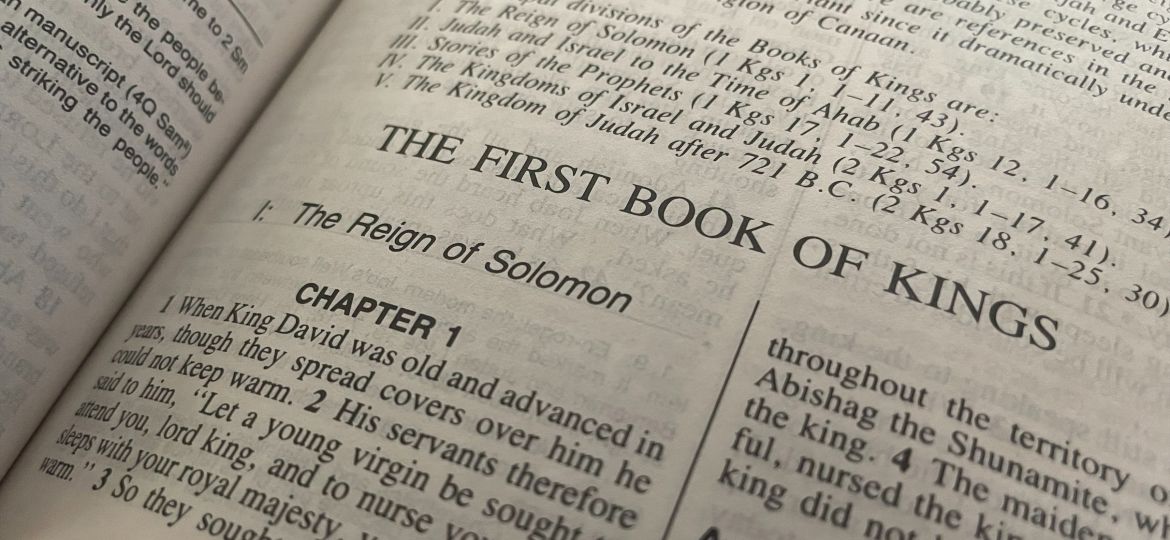
The Scripture story of the parable of the two sons (Matthew 21:28-32) tells us something very important about our approach to faith and the things of God. In this parable of Jesus, a man gave his two sons a task — go work in the vineyard. The first son clearly told the father that he would not go, but he later changed his mind and went and worked. The second son immediately agreed to go and do what the father asked, but he failed to actually go.

As we grow in life, we also grow in the things that interest us. Some succeed in accomplishing a dream that they had hoped for. Others aren’t so lucky. But, in any case, life is a journey, and we keep moving toward one destination or another. In whichever direction we find ourselves heading, there is always an important need for a life journey companion — someone who will help us, guide us, shape us and tell us the truth about the direction of our journey. Some people find such companionship in friends, some in family, and others in different people.

Fortitude is the virtue of courage and strength. It enables us to endure adversity without giving in to despair. With fortitude we learn how to persevere despite difficult life situations. When life becomes difficult and we are faced with choices, it is the virtue of fortitude that helps us to withstand adversity without making wrong choices. It gives us the strength to choose the right course of action, regardless of the cost or the consequences that our decision may bring to our lives or our situation.

In a world of insatiable pleasures, temperance is the ultimate saving virtue. Temperance is the virtue that enables a person to have a balanced spirituality and a balanced life. In the Catholic Church, temperance is described as one of the cardinal virtues. Temperance uses reason to moderate or restrain our desires and the pleasures of our senses.

Every year we commemorate the season of Lent, which culminates with the celebration of Easter. This is always a reflective season that helps us examine our spiritual lives, identify with the suffering of Jesus, and share in the glory of His resurrection at Easter. During the season of Lent many of us resolve to model our lives on the example of Christ. During Lent, Christians take up Lenten observances such as fasting, almsgiving and prayer, and many Catholics abstain from several things in order to attach themselves more closely to God. Some of us gave up certain behaviors, foods, practices and places as part of Lent. Now that Lent is over and Easter Sunday has come and gone, what next? What happens to our abstinence, those things we gave up? What happens to the renewed prayer life that we had during Lent? What happens to our acts of charity and almsgiving that we exercised during Lent? Are they going to be our new way of life, or will we abandon them and go back to our “former ways”?

Have you ever wondered why Jesus told one of his closest friends — Peter — to “Get behind me, Satan!”? (Matthew 16:23). This was the man who had just proclaimed that Jesus was “… the Messiah, the Son of the living God” (Matthew 16:16), and Jesus had responded in the presence of everyone, “Blessed are you, Simon son of Jonah. For flesh and blood has not revealed this to you, but my heavenly Father” (Matthew 16:17). But almost immediately this conversation changed, and Jesus referred to him as “Satan.” Note that this conversation occurred after Jesus had told his disciples about his coming suffering, and that it would lead to his dying on the cross. Then Peter took him aside and said, in more modern terms, “No way. Ain’t gonna happen.” Ordinarily, we should be happy with a friend who comes to us at a time of trouble and says, as Peter said to Jesus, “God forbid, Lord! No such thing shall ever happen to you” (Matthew 16:22). But Jesus was not fooled by that gesture because, although it sounded caring and concerned, it was a voice from the Enemy.

By Father Jacob Dankasa Special to The Texas Catholic People of faith believe in the power and efficacy of prayer…
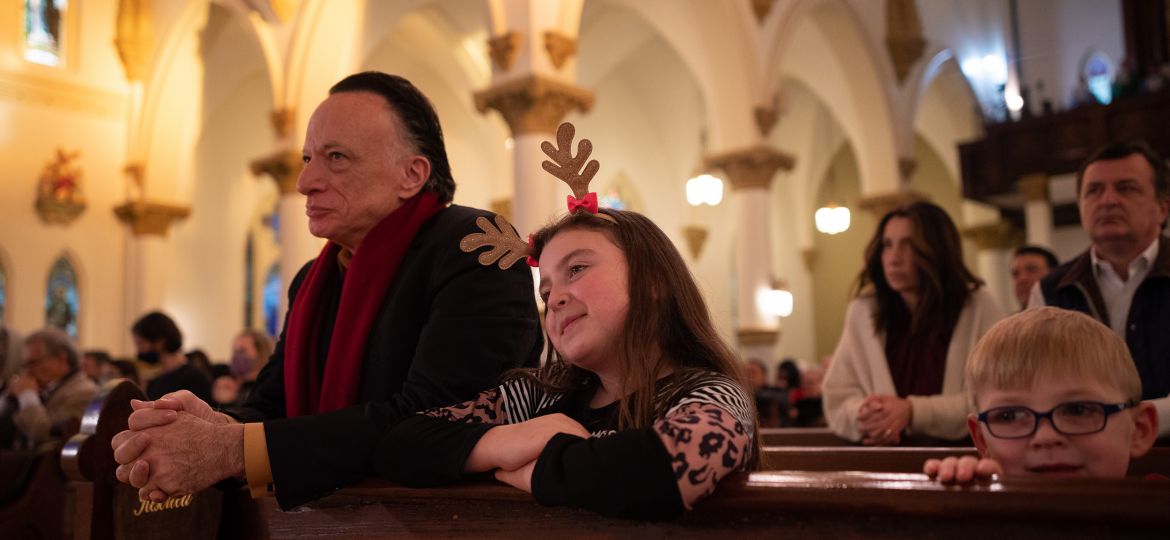
As we come into a new year, many of us are contemplating how we’ll live in this new year. Many of us have made — or are still making — new year’s resolutions. As we all contemplate what our resolutions will be, let’s remember to allow the Holy Spirit to lead us in making our resolutions, and then to help us keep them. Make your new resolutions a point of prayer.

As God lives in our hearts, we need to keep them clean so that we can hear his voice. A clean heart avoids places that pollute the mind; a clean heart speaks words that build, not destroy; a clean heart catches the tongue before it gets loose into profanity; a clean heart listens to others and is empathetic to others’ needs; a clean heart doesn’t wish evil for anyone.