
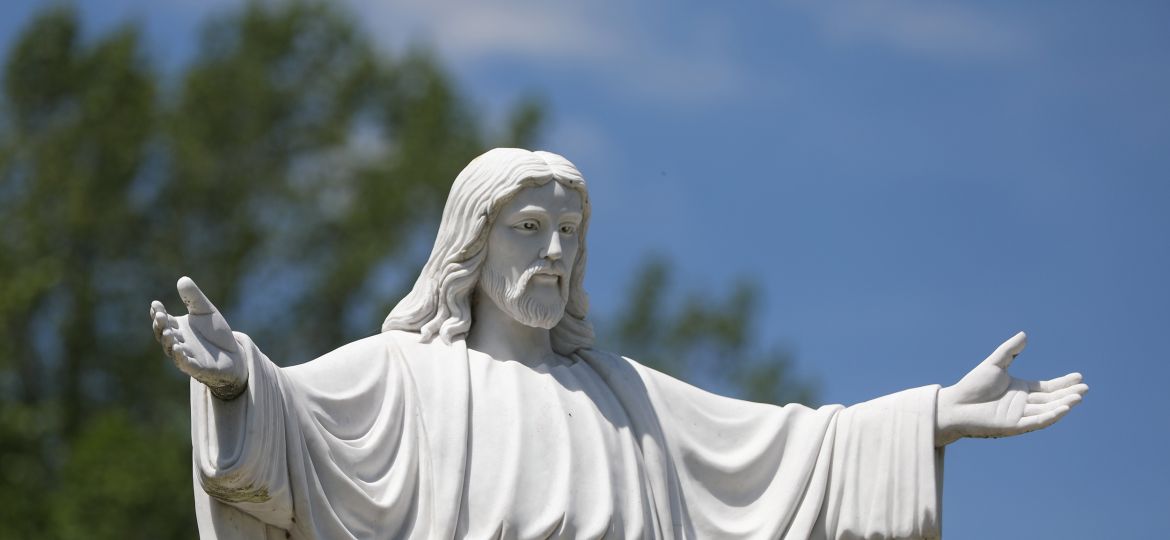
There is a type of combo that is inseparable and, in fact, indivisible. This is the combo of Christ and the Church. Human intellect or wisdom (or lack of wisdom) can neither create nor separate such a combo. This is a divine combo, a divine presence in the world.
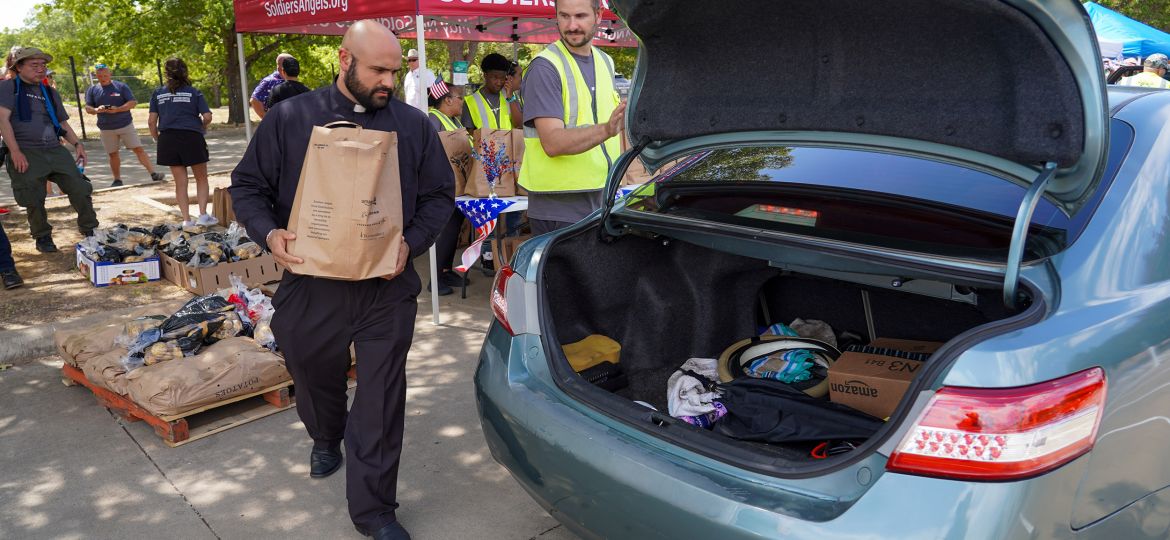
A collaborative effort between an Oak Cliff parish and two nonprofits on Sept. 8 aimed to aid Dallas-area veterans, military personnel and their families.
Coordinated by Soldiers’ Angels in cooperation with Holy Cross Catholic Church and the North Texas Food Bank, the food distribution at the parish was open to families of veterans and active-duty service members, guardsmen and reservists. It marked the first military and food distribution event the nonprofit has offered in the Dallas area.
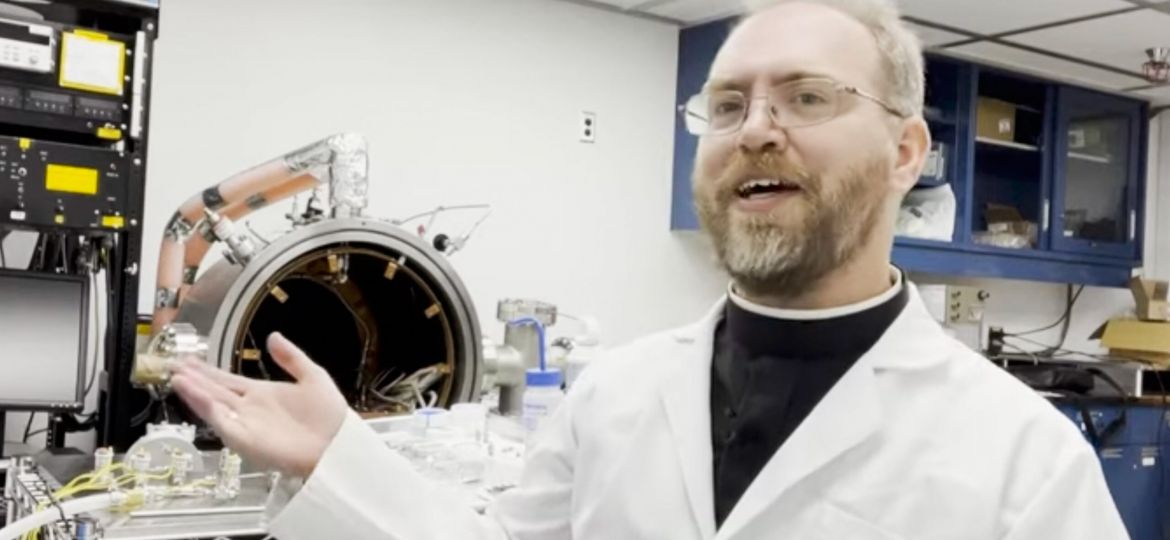
Jesuit Brother Bob Macke, a Vatican astronomer and meteorite expert, has built a custom device for studying material from the first U.S. mission to collect a sample from an asteroid.
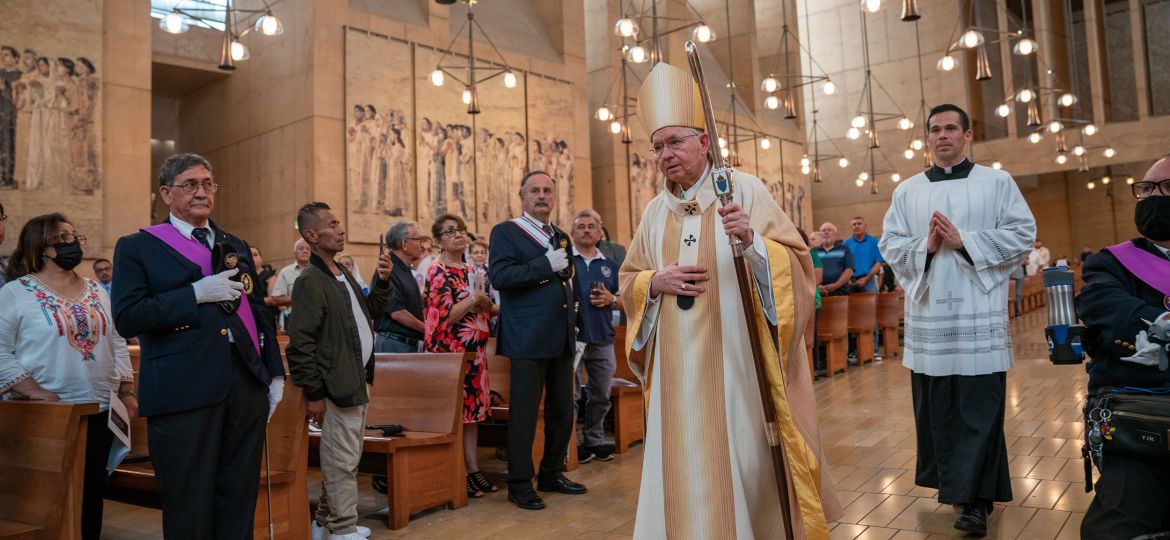
Grim developments on the southern U.S. border and the “frustrating” lack of immigration reform were on the minds of some 1,500 Southern California Catholics at the annual Mass in Recognition of All Immigrants Sept. 17 at the Cathedral of Our Lady of the Angels.
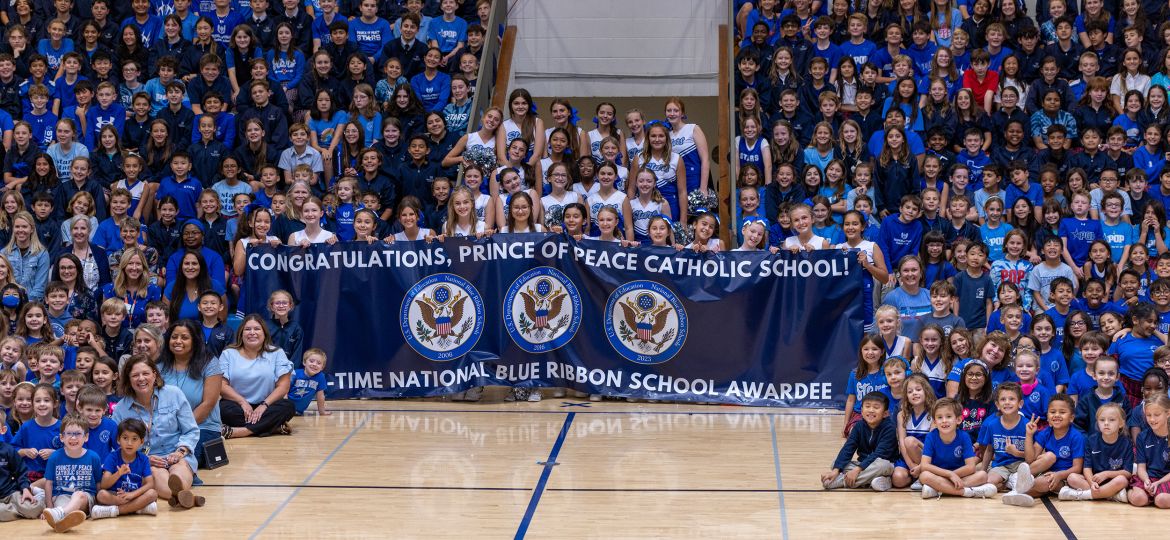
Blue and white balloons were flying, and students, faculty and families were loudly cheering on Tuesday, Sept. 19, as the U.S. Department of Education announced that Prince of Peace Catholic School has officially been named a 2023 National Blue Ribbon School. With this year’s recognition, Prince of Peace is now a three-time National Blue Ribbon School (2006, 2016, 2023).
The third Sunday in September is designated as “Catechetical Sunday” by the United States Conference of Catholic Bishops, or USCCB. It is a day to celebrate the ministry of catechesis, the passing on the faith. This year’s theme, “Come to me all who labor and are burdened,” (Matthew 11:28) reminds us of the invitation we receive from the Lord Jesus to follow Him and the promise that He doesn’t want to add to our burdens; he wants to lighten them. Observing Catechetical Sunday is a great way show appreciation to our catechists for the hard work that they do accompanying the many people of all ages throughout the year. It is in their dedication, efforts, and true servant’s heart that they continually give of themselves by helping so many families in their faith journey.

Cardinal Timothy M. Dolan of New York told OSV News the 22nd anniversary of the 9/11 terror attacks, which is marked with solemn ceremonies across the U.S., should be observed with memories of lives lost and impacted by the day’s events. But he added it also is worth remembering the spirit of the following day, Sept. 12, 2001, when Americans came together as a nation.
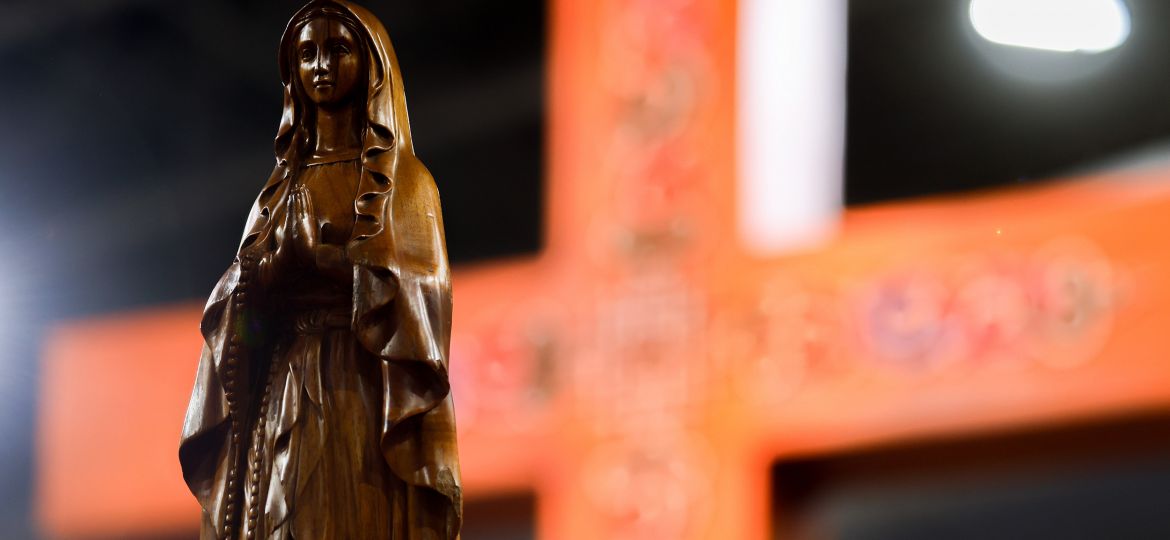
Mothers are gifted by God with unique insight into the mystery of life and its connection, for now, to the tragedy of death. Just think of Mary. Her maternity extended from Bethlehem to Calvary: to be a mother as God desires, Mary had to give life to a person destined to pass through death. Her fiat or “yes” to life at the Annunciation is not merely biological; it is a cooperation with God’s whole Providence for the one she births. That means that an ‘openness to life’ is at the same time a certain openness to death, and thus, for now, the joy of motherhood is always accompanied by pain (Gn 3:16; Jn 16:21).
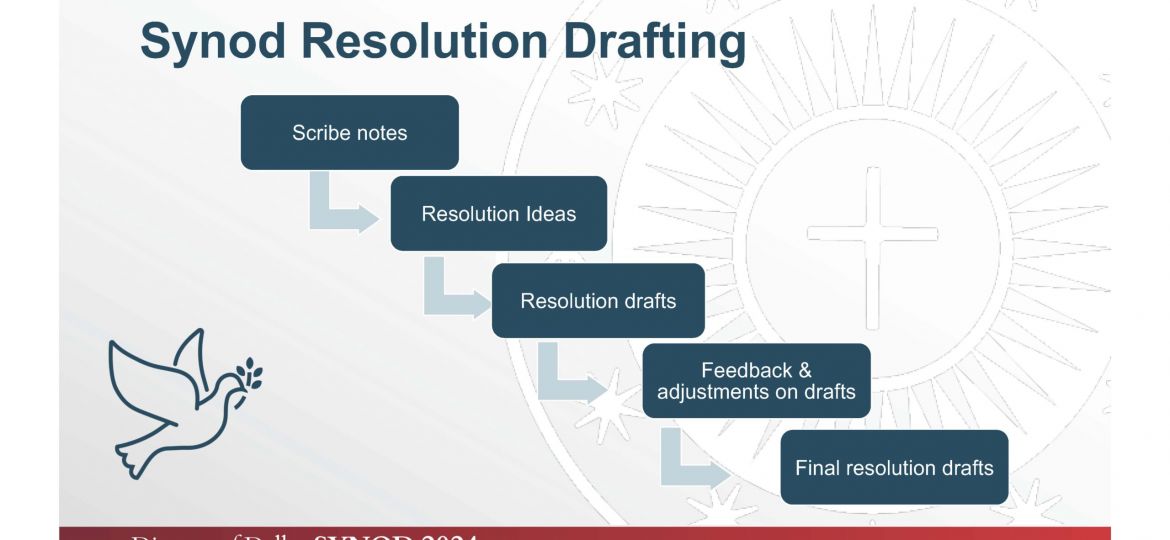
In his Feb. 19, 2021 pastoral letter, titled “The Journey Through Lent, Easter, Ascension and Pentecost — A Post-Pandemic Pastoral…
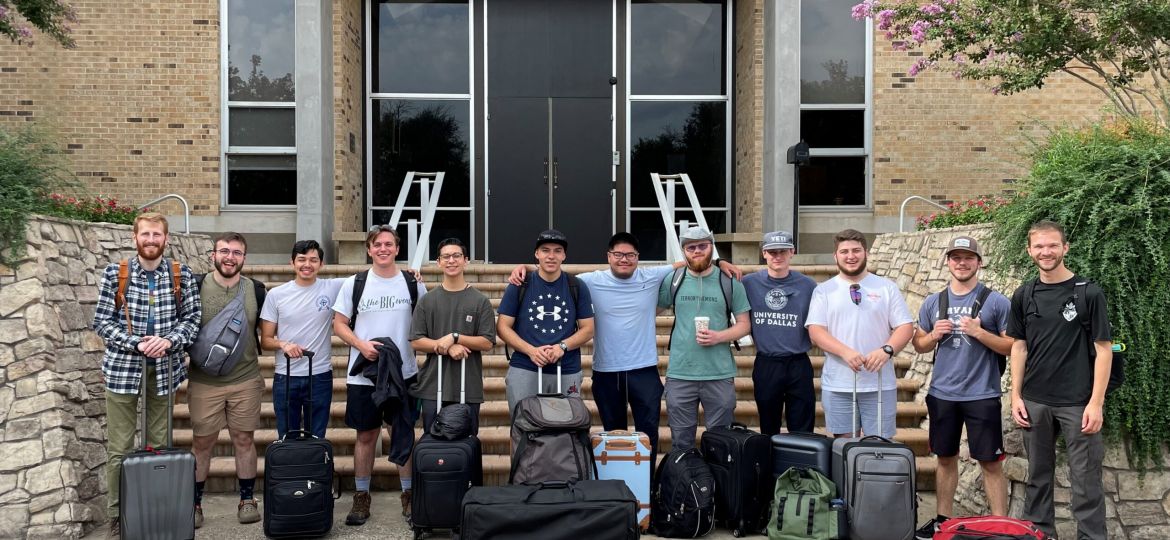
In the Judeo-Christian worldview, the wilderness has always been a place of divine encounter. Think Moses and the burning bush, Elijah on Mount Horeb, Jesus in the desert. Often God leads his people into the wild places in order to reveal himself in a new way and to strengthen them for mission. And He is still doing it today.