
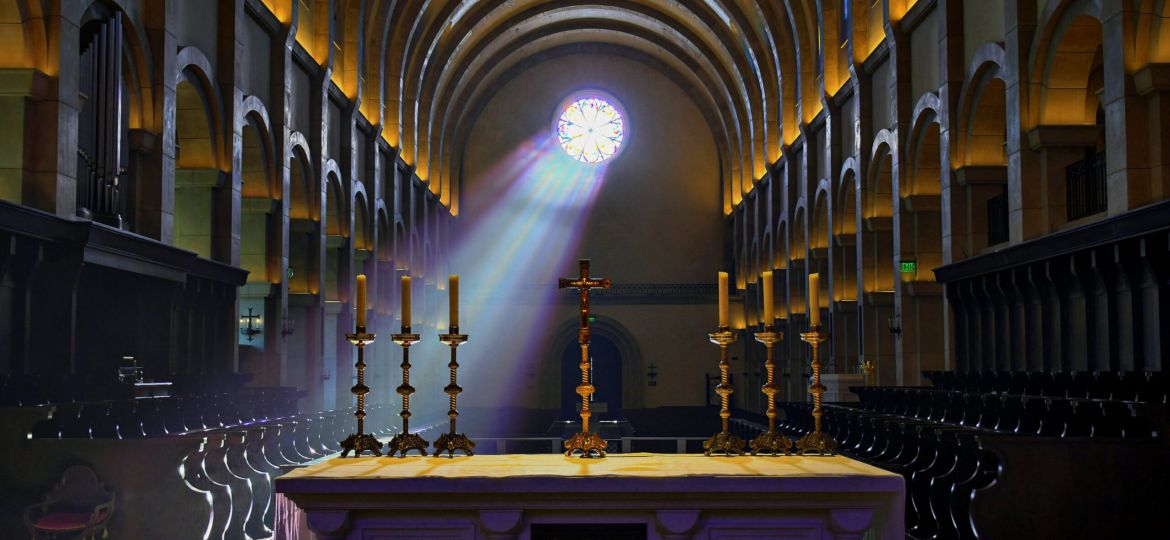
Have you ever wondered why Jesus told one of his closest friends — Peter — to “Get behind me, Satan!”? (Matthew 16:23). This was the man who had just proclaimed that Jesus was “… the Messiah, the Son of the living God” (Matthew 16:16), and Jesus had responded in the presence of everyone, “Blessed are you, Simon son of Jonah. For flesh and blood has not revealed this to you, but my heavenly Father” (Matthew 16:17). But almost immediately this conversation changed, and Jesus referred to him as “Satan.” Note that this conversation occurred after Jesus had told his disciples about his coming suffering, and that it would lead to his dying on the cross. Then Peter took him aside and said, in more modern terms, “No way. Ain’t gonna happen.” Ordinarily, we should be happy with a friend who comes to us at a time of trouble and says, as Peter said to Jesus, “God forbid, Lord! No such thing shall ever happen to you” (Matthew 16:22). But Jesus was not fooled by that gesture because, although it sounded caring and concerned, it was a voice from the Enemy.
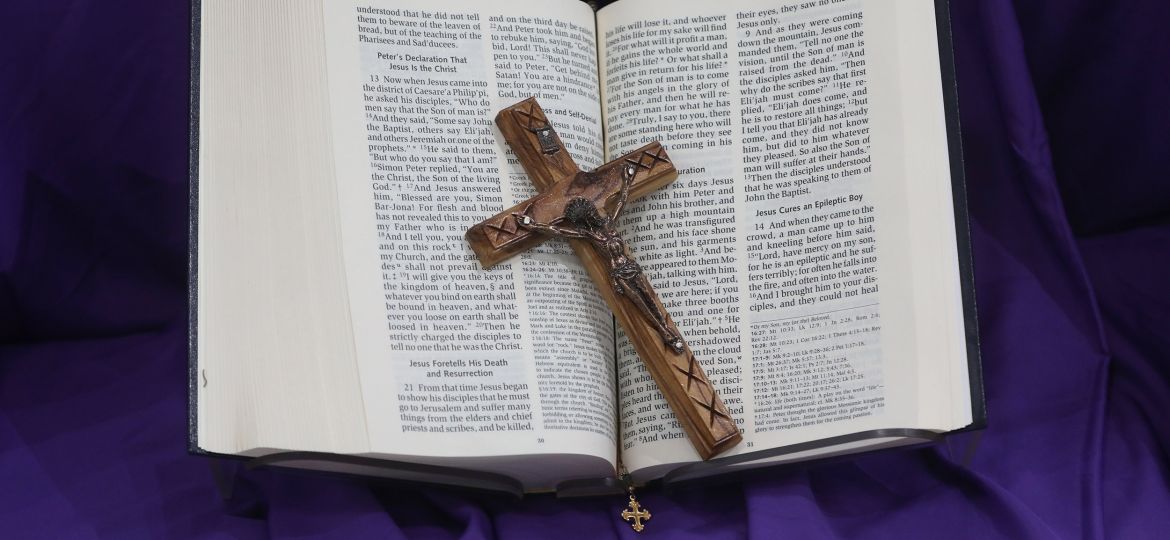
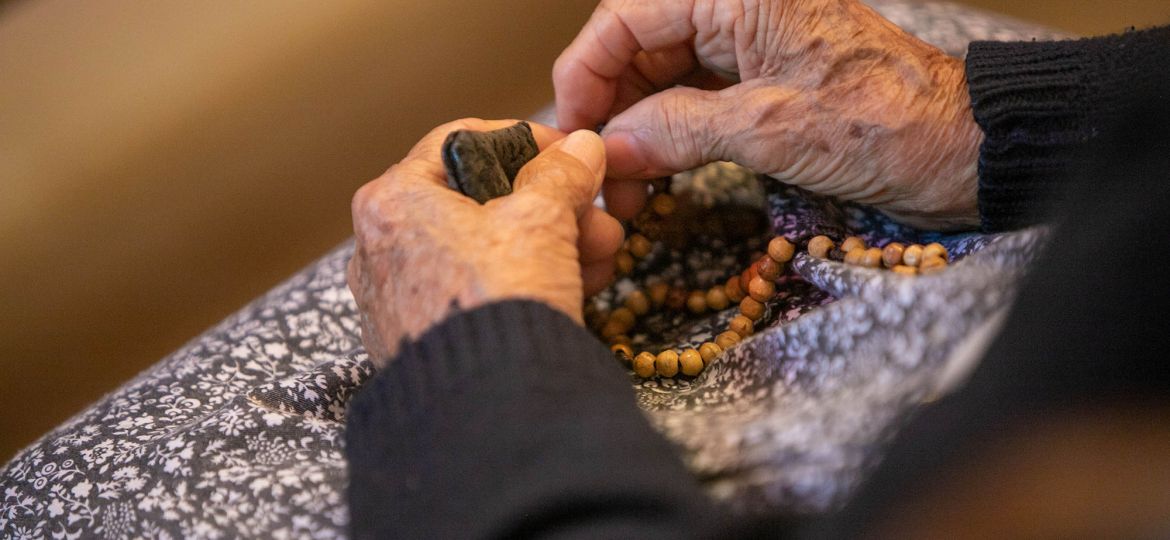
St. Therese of the Child Jesus would carry in her pocket a string of beads with a tiny crucifix at the end. Each time she offered something up she would slide a bead toward the cross. Her goal was each day to bring 10 offerings to Jesus. I’ve made a similar string of prayerful faith beads for Lent, loving how its tiny weight in my pocket encouraged me to look for ways to be of service to others, or to offer up an abstinence or penance.
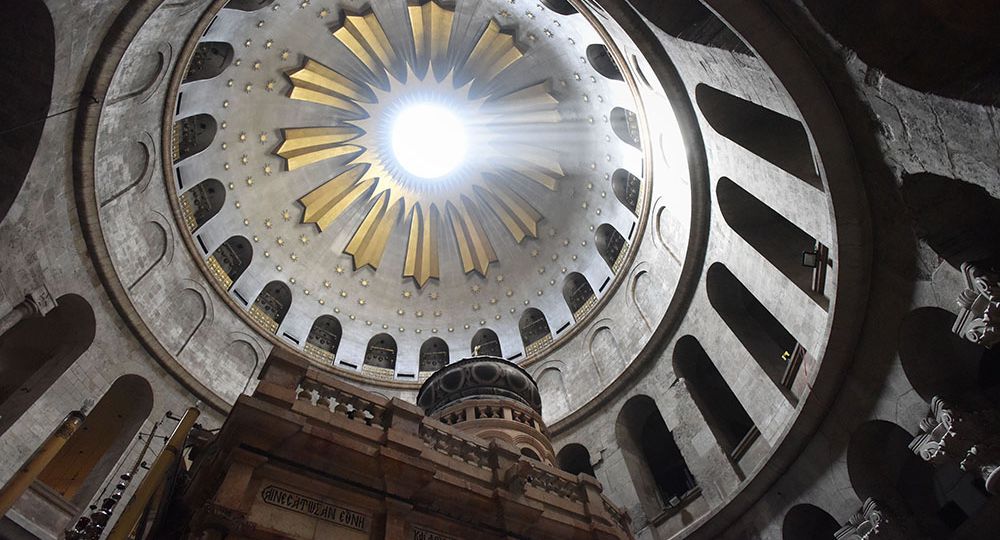
We typically associate the word “invention” with modern scientific breakthroughs, brilliant and painstaking achievements by geniuses producing civilizational advancements and mastery over the forces of nature. Human ingenuity has produced astonishing developments, from the printing press to the combustion engine to the Internet, with new inventions, some of them promising to alter the very fabric of humanity, on the horizon.
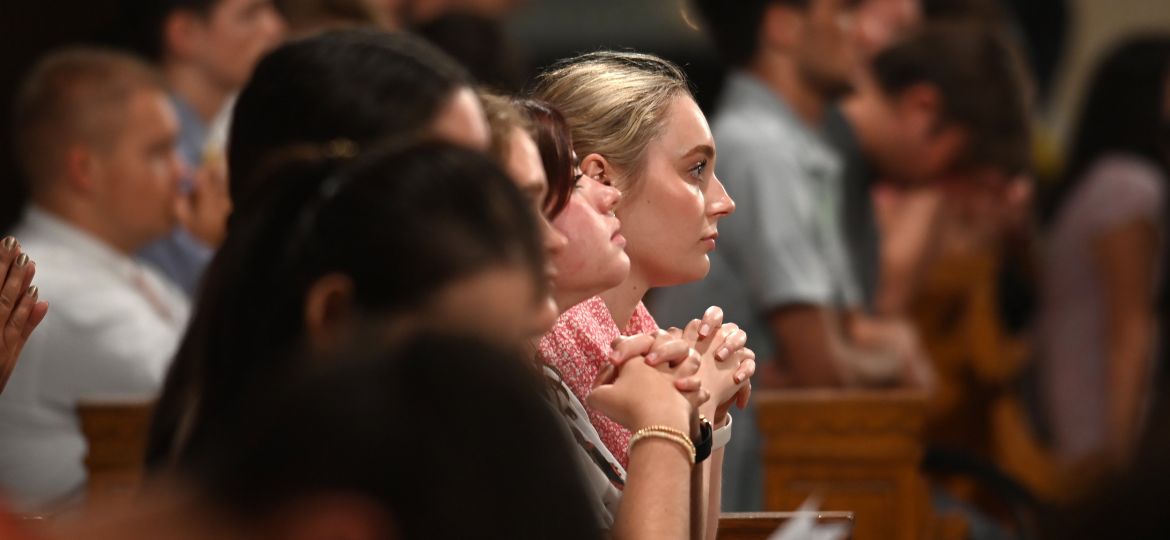
By Father Jacob Dankasa Special to The Texas Catholic People of faith believe in the power and efficacy of prayer…
I read a wonderful book recently that I think lots of people should read, especially science-minded people: Vestige of Eden, Image of Eternity by Daniel Toma. Dr. Toma is a geneticist at Minnesota State University, as well as a wide reader of Catholic theology from both the eastern and western traditions.

The Diocese of Dallas is truly an incredible and faithful Catholic community, full of volunteers, teachers, diocesan and parish ministry staff members, and clergy serving our diocese every day. We are blessed in the Diocese of Dallas and you will often hear Bishop Burns share that as the Diocese continues to grow so does the urgency in raising funds so that we can keep pace with our responsibilities.
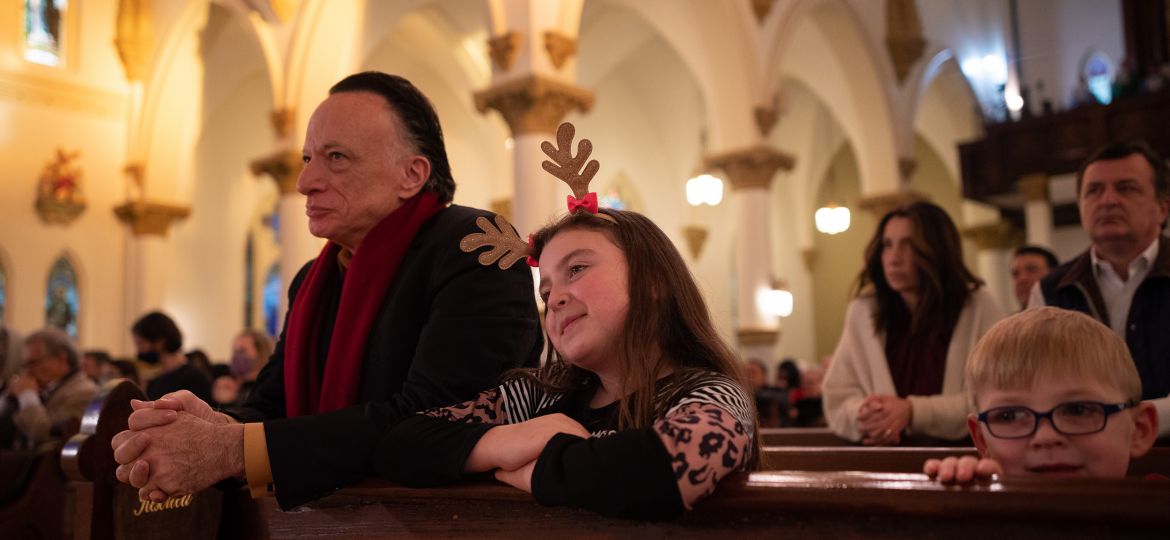
As we come into a new year, many of us are contemplating how we’ll live in this new year. Many of us have made — or are still making — new year’s resolutions. As we all contemplate what our resolutions will be, let’s remember to allow the Holy Spirit to lead us in making our resolutions, and then to help us keep them. Make your new resolutions a point of prayer.
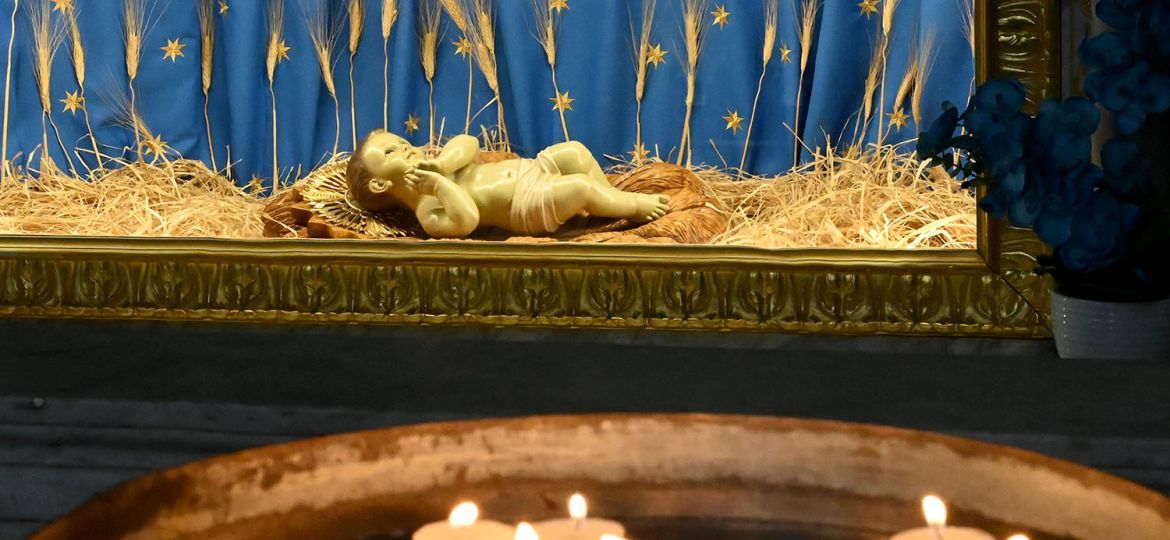
Whenever people ask me how they can prepare themselves spiritually for Christmas, I invite them to read the lyrics of Christmas carols as prayers. Specifying which carols to employ is important; I am not aware of any mystical symbolism behind “Frosty the Snowman,” and I have long been convinced that “All I Want for Christmas is You” is fundamentally unredeemable on the first listen, let alone the ninetieth on the Christmas radio station’s saccharine and secular playlist. But many of the traditional Christian carols were first sung in a liturgical setting, and therefore were designed to be vocal prayers. That is certainly the case with “O Come O Come Emmanuel.”

One of the privileged places of encountering Jesus is in the Sacrament of Reconciliation, Confession. In order to approach him in Confession, we have to turn and face the very things in our hearts that are most unworthy of him, that we would prefer to hide from him, and hide from ourselves, the sins and patterns of sinfulness that weigh on us, and burden our consciences, make it feel as if the Lord is far from us, disappointed in us, even given up on us.
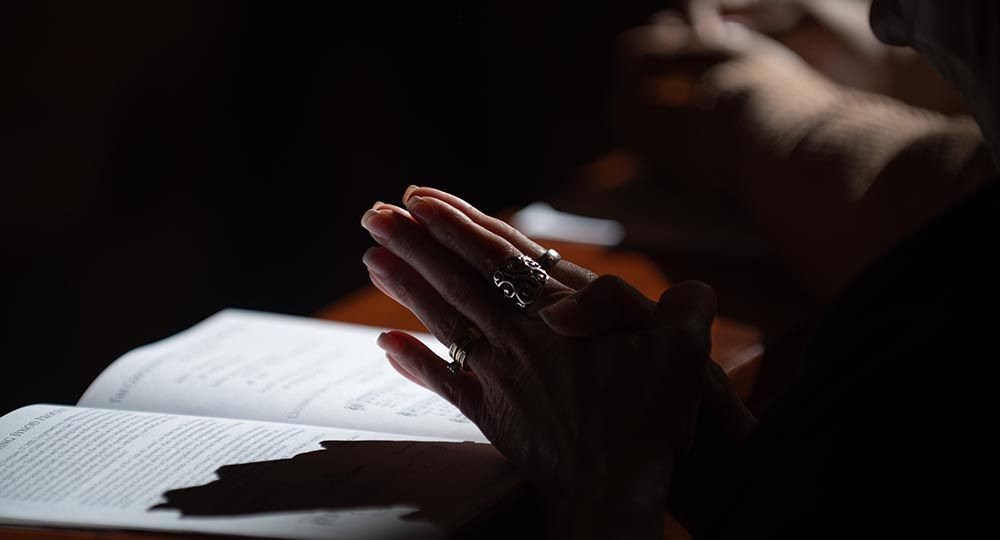
As God lives in our hearts, we need to keep them clean so that we can hear his voice. A clean heart avoids places that pollute the mind; a clean heart speaks words that build, not destroy; a clean heart catches the tongue before it gets loose into profanity; a clean heart listens to others and is empathetic to others’ needs; a clean heart doesn’t wish evil for anyone.