

In online conversations you cannot run away from strangers if your task is to evangelize and change hearts. If you only preach to people who already agree with you, you may only be maintaining the status quo.
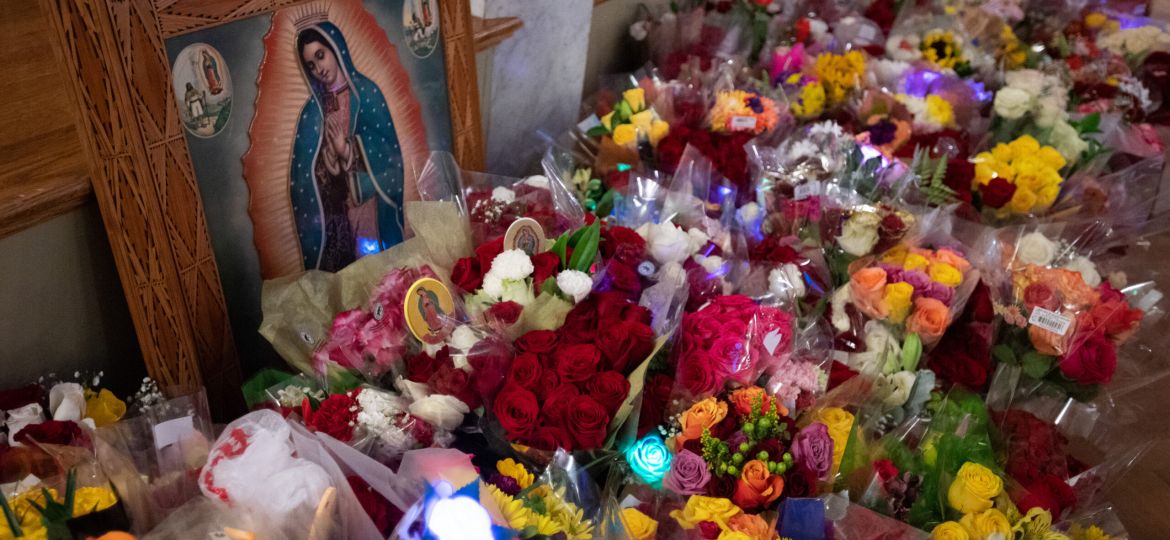
For centuries, the veneration of Our Lady of Guadalupe has stood as a profound testament to the convergence of religious dedication and cultural identity within the Latino Catholic community and the greater American Catholic church. Rooted in the Virgin Mary’s apparition to a peasant native of Mexico, Juan Diego, the celebration of Our Lady of Guadalupe is more than a religious tradition as it now has become a vibrant cultural tapestry, lovingly woven by our Mother and her Son, that continues to be a guiding light for the lost ‘truth seekers’ who yearn for peace, truth, and beauty in the midst of a broken, chaotic world.
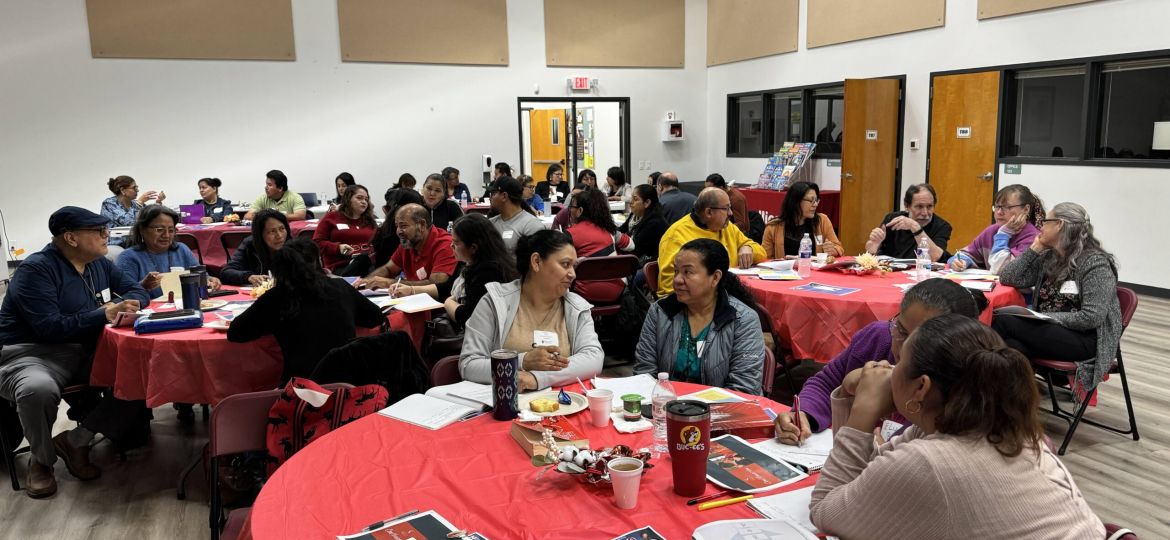
The Office of Evangelization, Catechesis and Family Life this fall offered two formation opportunities to train catechists, coordinators, and directors who are helping youth candidates for the sacrament of confirmation.

In a special way during Advent, we unite ourselves in prayer with the sentiments of the Blessed Mother who in silent waiting carried the hidden Savior within her womb for nine months. Mary in turn intercedes for us, as faith, hope, and joy are born again in our hearts as we wait expectantly for the birth of her Son.
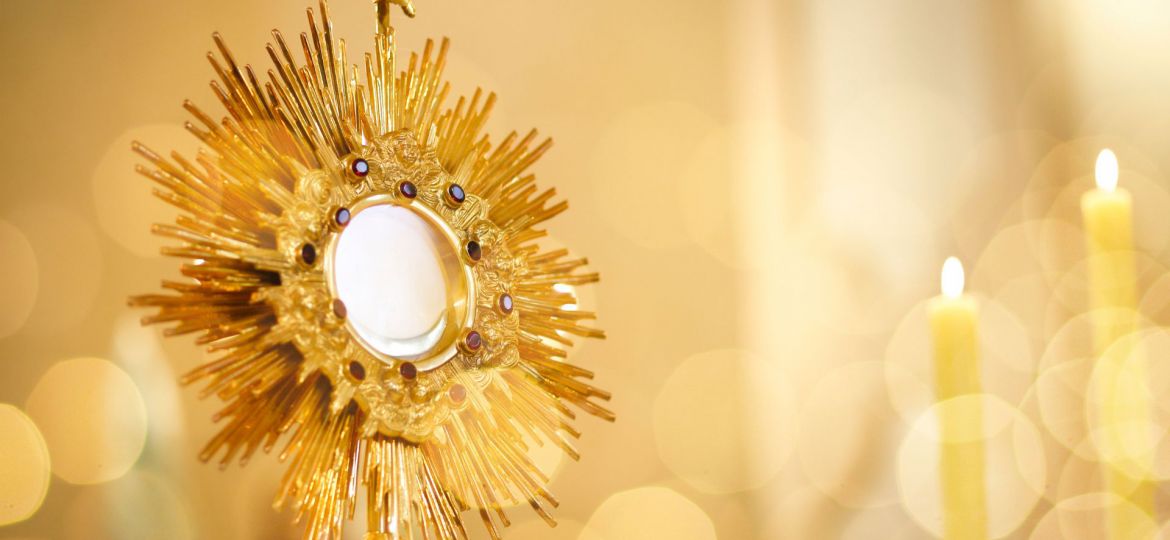
One of the most anticipated holidays in America is Thanksgiving. The fourth Thursday of November every year (and its accompanying weekend) is eagerly anticipated, not only because it is a holiday set aside for a day called Thanksgiving Day, but also because it gives the opportunity for many people to rest and be with family or friends for a long weekend.

St. Paul seems to have defined the triad we know today as the theological virtues: faith, hope, and love. No Jewish source before him brings those three words together, and the pre-Christian pagans do not speak of them as interrelated virtues.
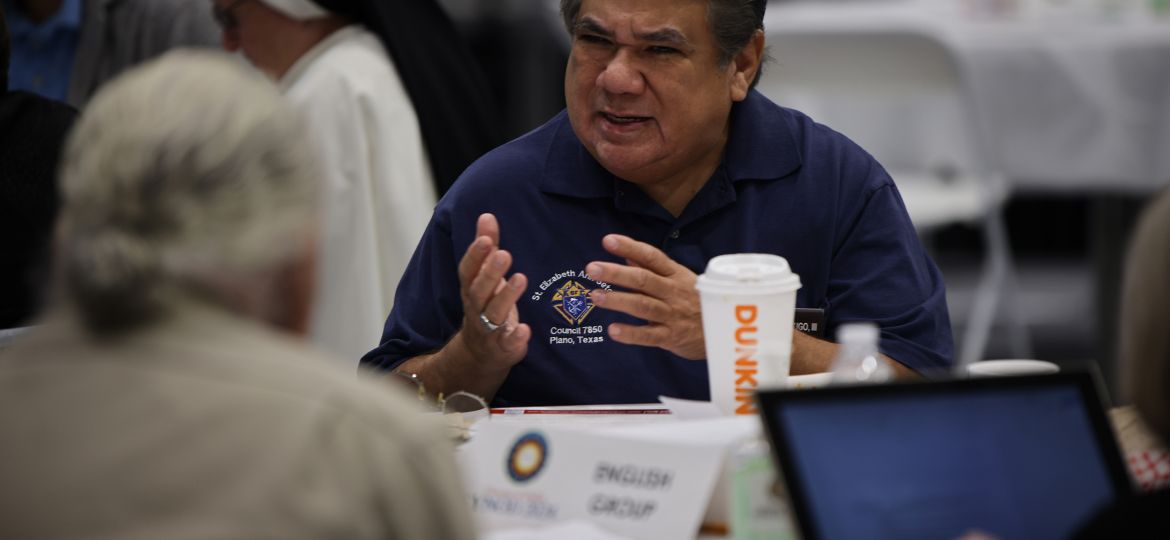
As a member of the synod preparatory commission, one of the exciting things I have seen is the synergy between clergy and laity in our diocese. Of course, we are still a pilgrim people, and the data we received from the listening sessions shows the need for further growth. Nonetheless, it has been beautiful, as a priest, to work shoulder to shoulder with so many dedicated lay people and priests on the commission and elsewhere, all of us wanting to try our best to give ourselves away for the good of the Church.
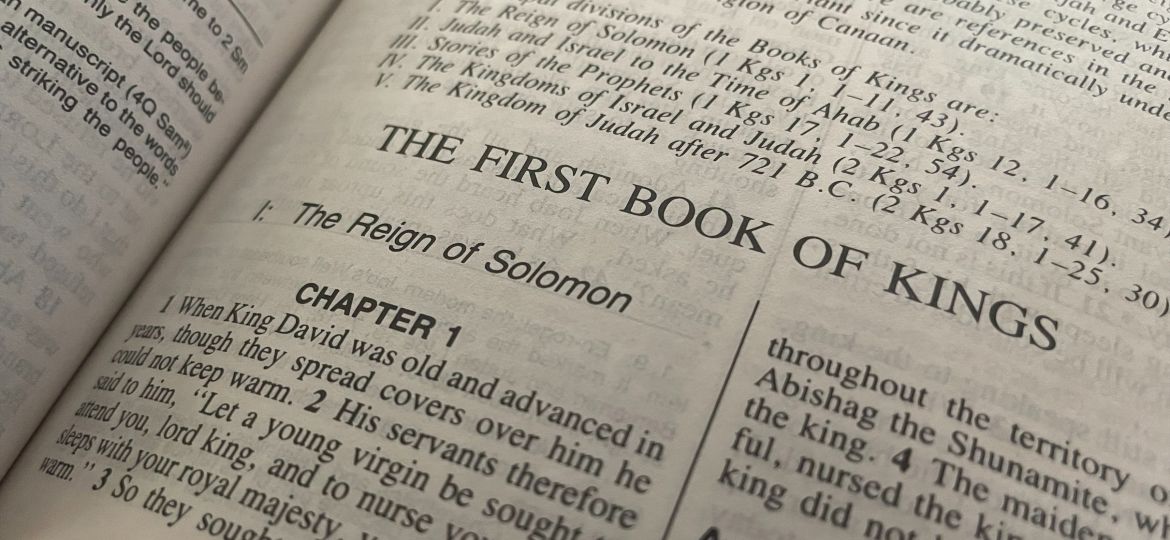
The Scripture story of the parable of the two sons (Matthew 21:28-32) tells us something very important about our approach to faith and the things of God. In this parable of Jesus, a man gave his two sons a task — go work in the vineyard. The first son clearly told the father that he would not go, but he later changed his mind and went and worked. The second son immediately agreed to go and do what the father asked, but he failed to actually go.
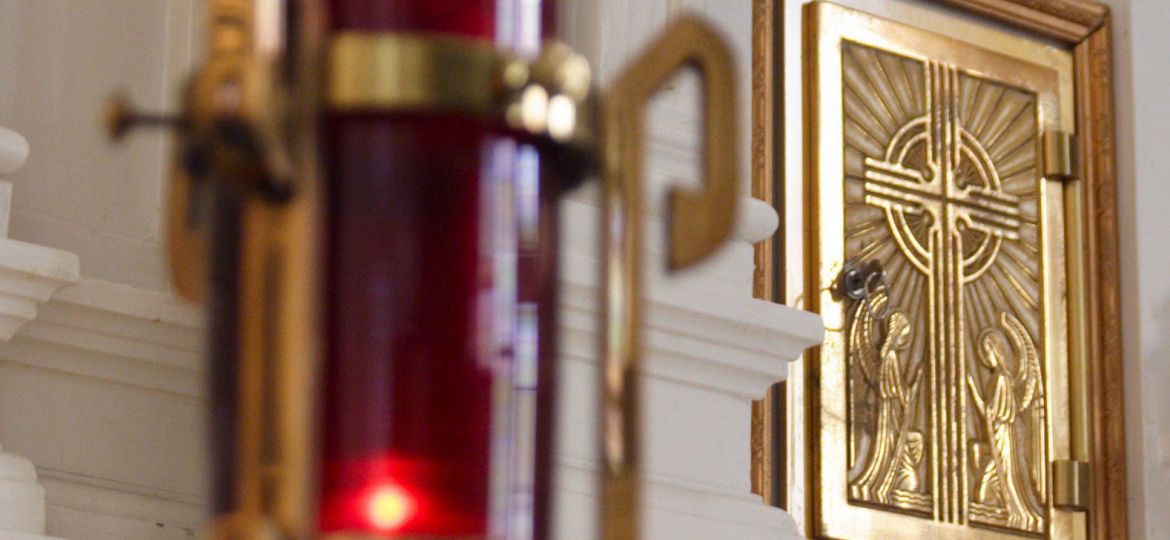
Profane and profanity are English words commonly used in reference to swearing, cursing, and hurling abusive language at someone. That’s an intriguing development from their Latin roots! A fanum is a temple or a sanctuary; attach the preposition pro to it, and you get “before/in front of/ outside the temple.”
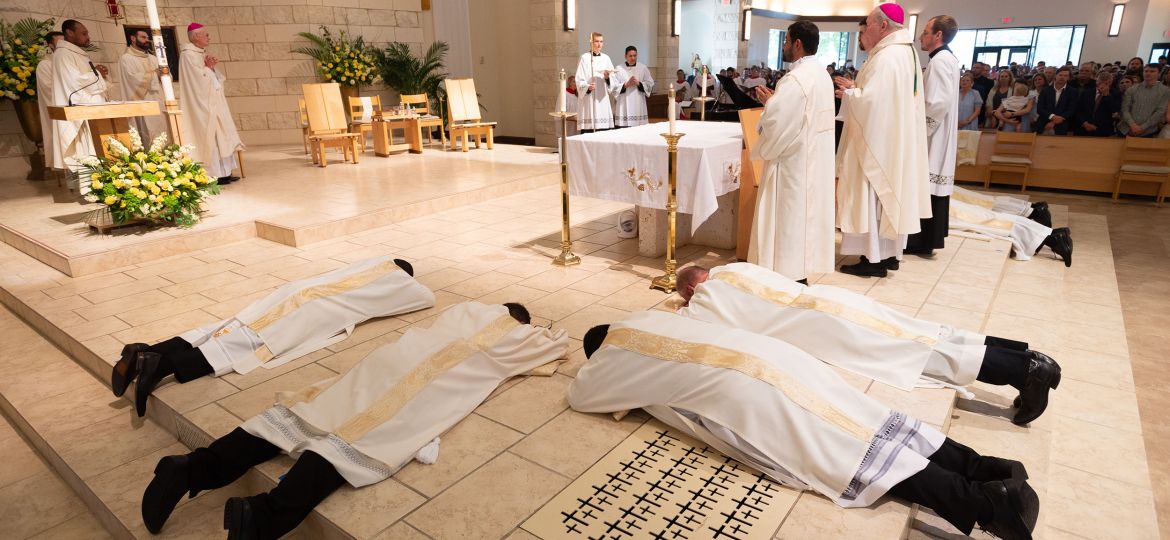
At the depth of every human heart is a vocational calling. It is the echo of Christ’s voice speaking to His people where we cannot help but listen and follow after Him. Pope St. John Paul II wrote, “In the hidden recesses of the human heart the grace of a vocation takes the form of a dialogue. It is a dialogue between Christ and an individual, in which a personal invitation is given. Christ calls the person by name and says: ‘Come, follow me.’”